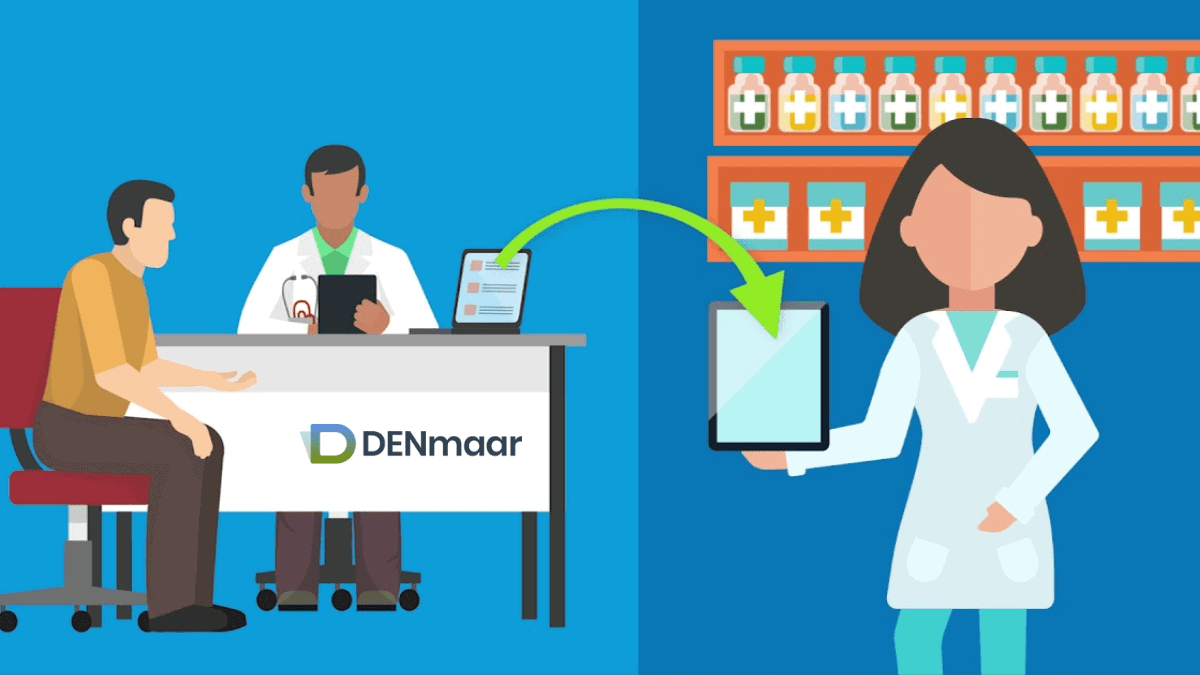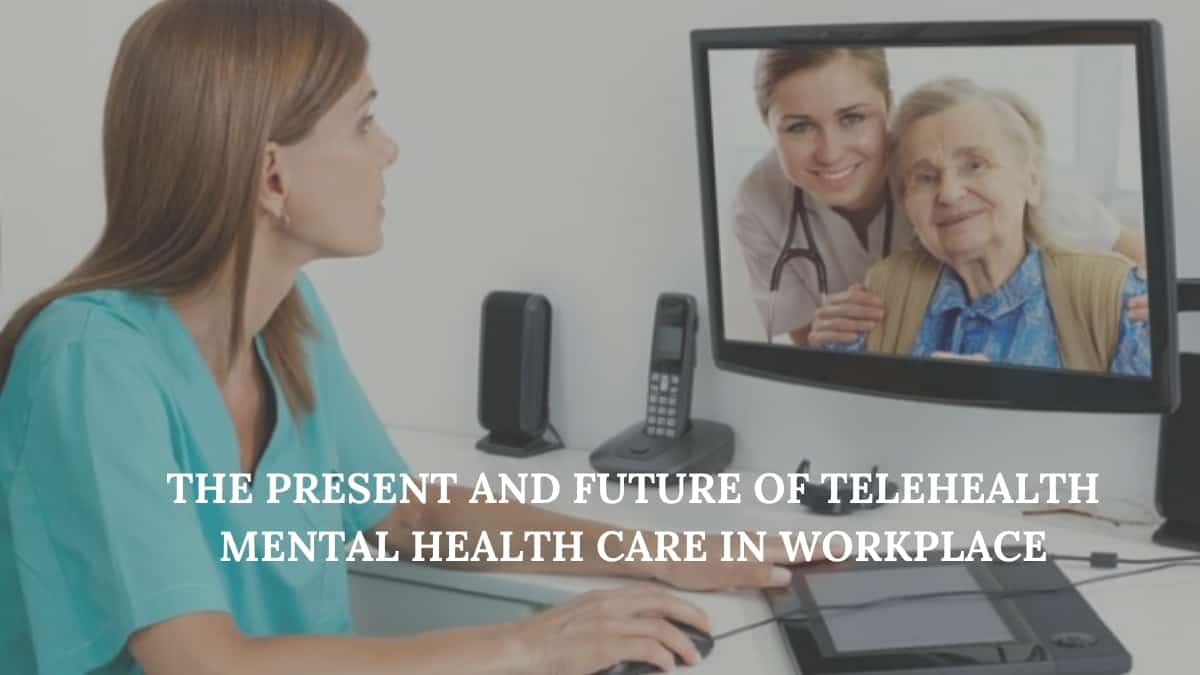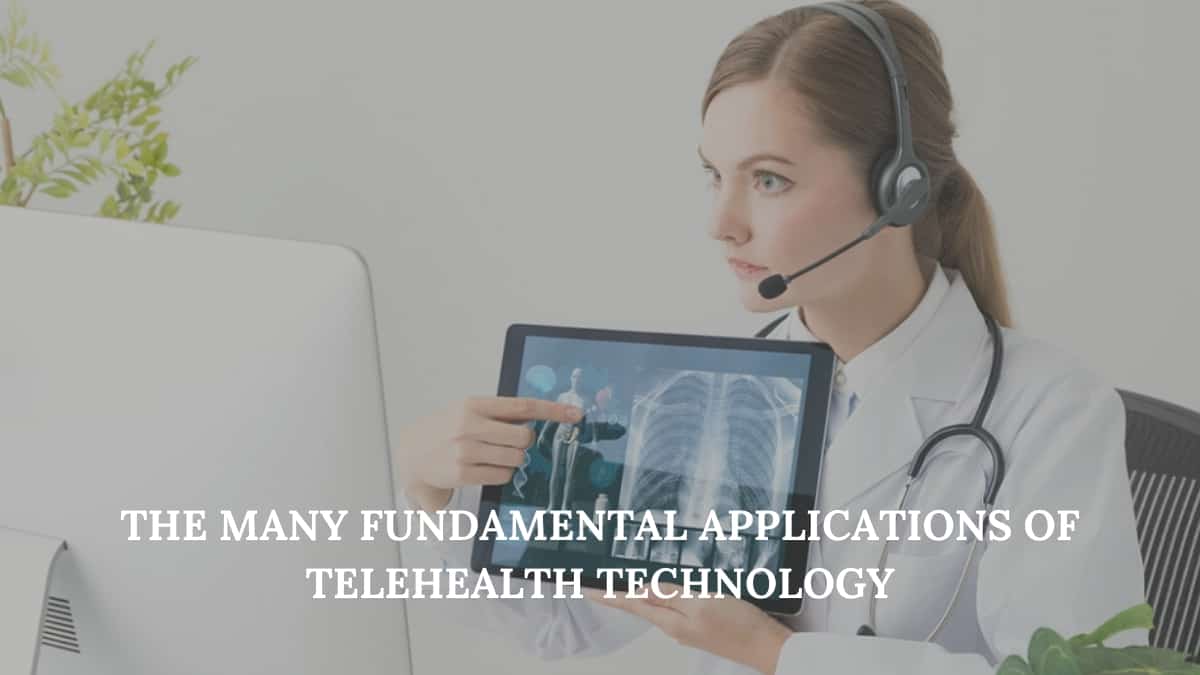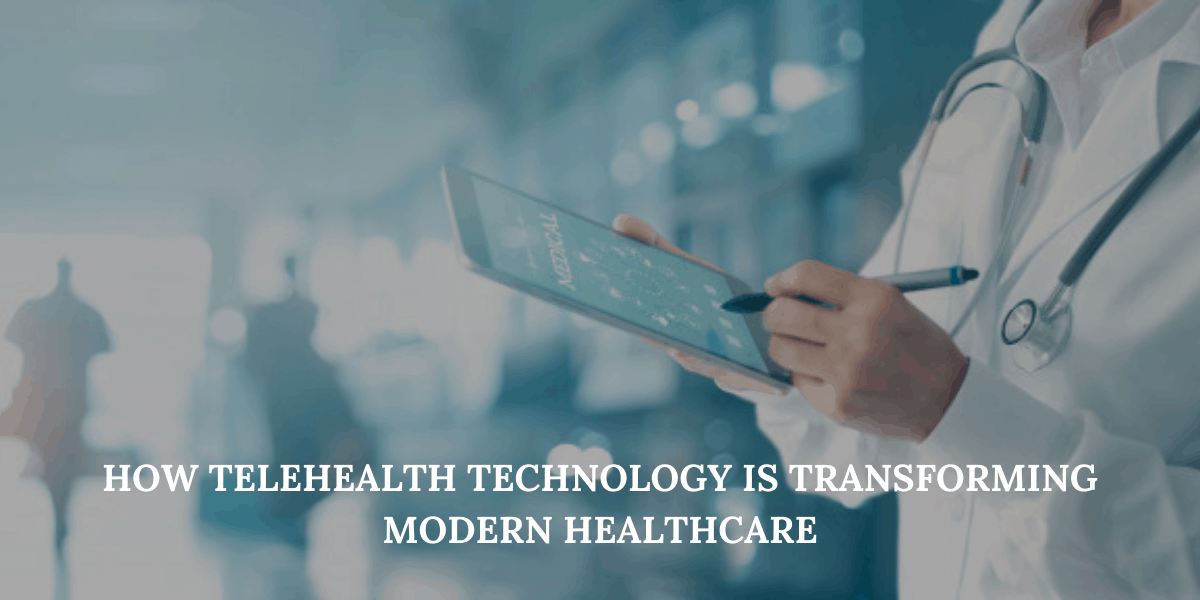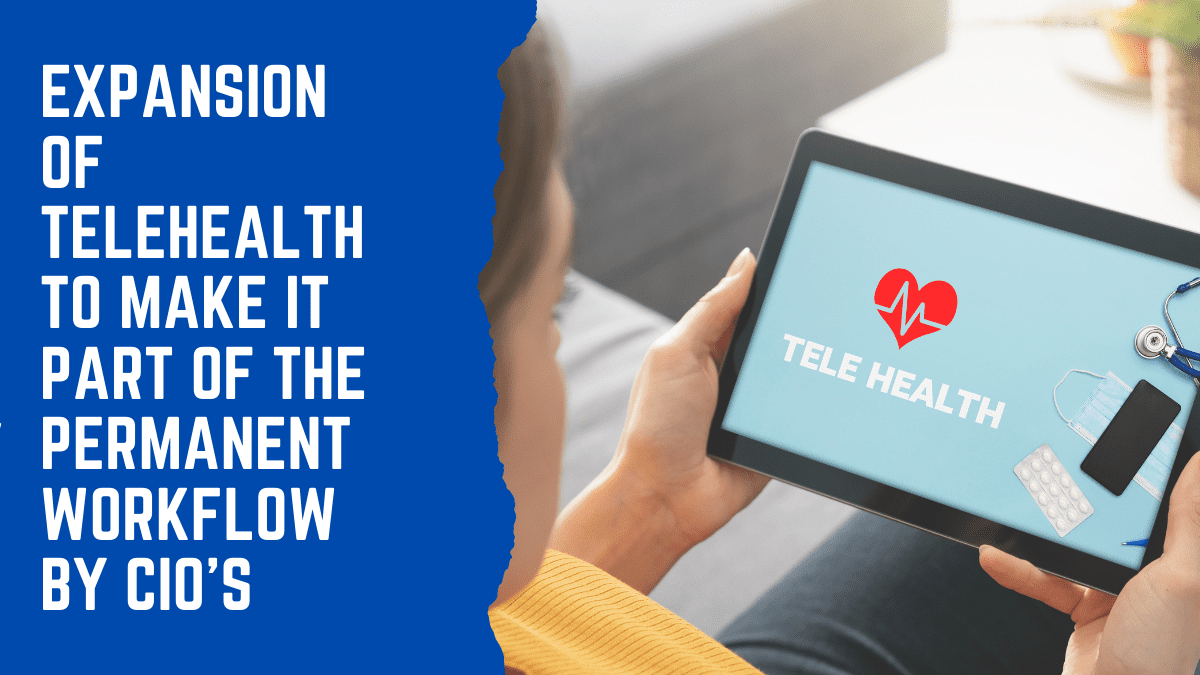
Telehealth has rapidly evolved from a temporary healthcare solution into a permanent part of modern healthcare delivery. During the COVID 19 pandemic, hospitals and healthcare systems implemented telemedicine technologies to maintain patient care while reducing in person interactions.
Today, healthcare organizations are no longer treating telehealth as a short term solution. Instead, hospitals, healthcare providers, and Chief Information Officers (CIOs) are integrating virtual care into long term operational workflows to improve patient access, streamline communication, and increase healthcare efficiency.
The Growing Importance of Telehealth in Healthcare
Telehealth has transformed how healthcare providers deliver medical services. From virtual consultations to remote patient monitoring, healthcare systems are now combining in person and virtual care to create a more connected patient experience.
Healthcare organizations are investing in scalable telemedicine technologies that support long term digital healthcare strategies and improve operational efficiency.
Why Hospitals Are Integrating Telehealth Into Permanent Workflows
Improved Patient Accessibility
Telehealth allows patients to connect with healthcare providers remotely, reducing travel time and improving access to care for rural and underserved communities.
Better Patient Engagement
Integrated telehealth platforms create a seamless digital experience that improves communication between patients and providers throughout the care journey.
Increased Operational Efficiency
Virtual care solutions help hospitals reduce administrative burdens, improve scheduling workflows, and optimize resource management.
Enhanced Care Coordination
Unified telehealth systems allow healthcare teams to collaborate more effectively by combining messaging, video appointments, patient records, and scheduling into a single platform.
Financial and Operational Benefits
Healthcare organizations adopting telehealth technologies often experience improved patient satisfaction, stronger brand reputation, and increased efficiency in care delivery.
The Role of CIOs in Telehealth Expansion
Chief Information Officers and healthcare IT leaders are responsible for integrating telehealth technologies across healthcare systems while ensuring compliance, security, and workflow efficiency.
Their focus includes:
- Implementing secure telemedicine platforms
- Integrating telehealth with existing EHR systems
- Improving digital patient experiences
- Streamlining provider workflows
- Expanding virtual care capabilities across departments
Healthcare leaders are increasingly viewing telehealth as an essential component of enterprise healthcare operations.
Embedding Telehealth Into Everyday Healthcare Operations
Modern healthcare systems are integrating telehealth directly into clinical workflows to improve care coordination and simplify administrative processes.
A unified telehealth platform allows healthcare providers to:
- Access patient records quickly
- Conduct secure video consultations
- Manage virtual appointments efficiently
- Improve communication between healthcare teams
- Reduce the need for multiple software systems
Virtual Patient Care Inside Hospitals
Telehealth technology is no longer limited to remote appointments. Hospitals are now using virtual care systems inside patient rooms to improve efficiency and patient engagement.
Virtual Nursing Units
Virtual nursing technology allows healthcare providers to complete non bedside tasks remotely, including:
- Patient education
- Medication reviews
- Documentation support
- Discharge coordination
This approach helps bedside nurses focus more on direct patient care while reducing administrative workload.
In Room Virtual Communication
Telehealth systems installed in patient rooms allow social workers, family members, and healthcare providers to communicate safely and efficiently with patients during hospital stays.
This improves patient satisfaction and supports collaborative care delivery.
Benefits of Unified Telehealth Platforms
Healthcare organizations are moving toward centralized telehealth systems that combine multiple functions into one secure platform.
Benefits include:
- Fewer software logins and administrative steps
- Better patient data accessibility
- Improved provider collaboration
- Faster communication between departments
- Streamlined patient care workflows
Learn how our EHR and EMR solutions support integrated telehealth workflows and healthcare efficiency
Why HIPAA Compliant Telehealth Matters
Security and compliance are critical when implementing telemedicine technology. Healthcare organizations must use HIPAA compliant telehealth platforms to protect patient information and maintain healthcare privacy standards.
Secure telehealth systems ensure safe communication, encrypted patient data, and reliable virtual care delivery.
The Future of Telehealth in Healthcare
Telehealth, telemedicine, and virtual nursing are reshaping the future of healthcare delivery. As healthcare systems continue investing in digital transformation, virtual care will remain a permanent and essential part of patient care strategies.
Healthcare organizations that adopt integrated telehealth technologies today will be better positioned to improve patient outcomes, increase efficiency, and support long term healthcare innovation.