

- Scheduling
- Eligibility
- Provider workflow
- Patient communication
- AI Receptionist
- Task automation
Behavioral Health Practice Operating System
Manage the Complete
Patient-to-Payment Cycle
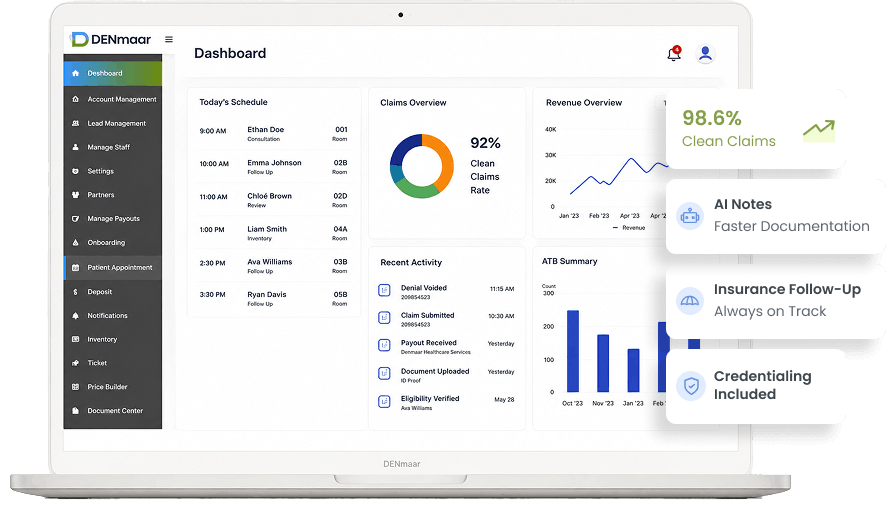
From the first patient call through scheduling, documentation, claims, and payment, DENmaar connects the work of your practice and automates routine steps.

Run your entire practice from one intelligent platform backed by behavioral health expertise.

AI-powered workflows
Behavioral health expertise
ONE INTEGRATED PLATFORM
Four Solutions. One Platform.
Everything growing behavioral healthcare organizations need to run a modern practice.
AI Clinical Documentation
Create therapy, psychiatry, group, and multidisciplinary documentation in minutes with AI designed specifically for behavioral healthcare.
Revenue Cycle Management
Professional insurance billing, payment posting, denial management, patient responsibility, eligibility verification, credentialing, and financial reporting.
More than software.
A complete revenue cycle solution.

AI Practice Automation
Administrative work should happen automatically whenever possible.
Insurance Knowledge Team
Healthcare reimbursement is constantly changing. DENmaar includes access to an expanding insurance knowledge platform built specifically for behavioral healthcare.
Get guidance on:
- Coding
- Prior authorization
- Documentation
- Claim resolution
- Medical necessity
- Credentialing
- Insurance requirements
- Best practices
Built from thousands of real-world behavioral health billing scenarios.

BUILT TO SCALE WITH YOU
Designed for Growing Practices
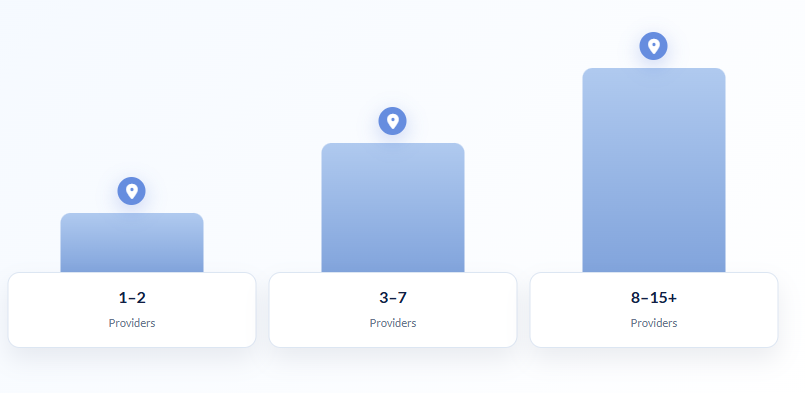
Whether you’re adding your second provider or expanding into multiple locations, DENmaar grows with your organization.
Start simple.
Get up and running quickly with the essentials.
Add capabilities
Unlock advanced features as your needs grow.
Never outgrow
A platform that scales with your vision.
THE DENMAAR DIFFERENCE
Why DENmaar?
Most vendors sell software. Others sell billing services. DENmaar combines technology, AI, revenue
cycle management, and behavioral health expertise into one integrated platform.
Most vendors sell software.
Technology without the operational expertise to connect the pieces.
Others sell billing services.
Services without the intelligent platform to automate your practice.
DENmaar combines it.
Technology, AI, revenue cycle management, and behavioral health expertise into one integrated platform.
Enterprise Capability.
Small Practice Simplicity.
Schedule Your Personalized Demo
See how DENmaar can help your practice grow with confidence.
Let’s Determine Whether There Is Operational Alignment
We begin with a discussion focused on:
- Organizational structure
- Insurance workflows
- Operational goals
- Implementation fit
Request Information
Capterra, Software Advice And Get App 2023 / 25
Best Of Badges Awarded To DENmaar
2023 / 25 “Best of” badge winners = DENmaar Neuro has earned a well-deserved Best Value Badge.
See our reviews for our software being recognized as an impactful solution for your business.




Our Latest Blogs
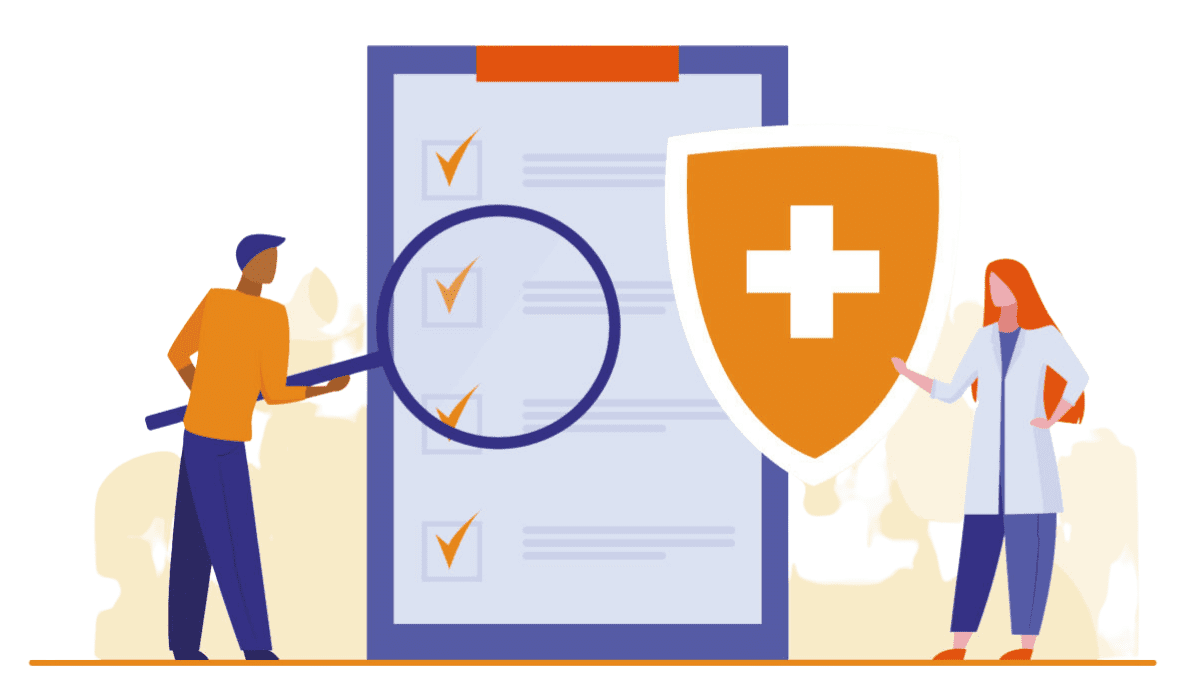
How to overcome the challenges in medical credentialing
How to overcome the challenges that medical credentialing faces?
Medical credentialing is one of the most critical compliance issues in medical practice today. However, this is a time-consuming and complex process to do it properly. A poor medical credential can lead to registration problems and legal and financial complications. Do you know what weakens the medical credentialing process? Here are the top 4 most common medical credentialing challenges that every practitioner should be aware of and solutions to overcome those challenges in the credentialing process.
What is medical credentialing?
Medical credentialing is the process of verifying and evaluating the eligibility of a healthcare provider with educational qualifications, employment history, training experience, special resident certificates, licenses, and other eligibility details.
Challenges in Medical Credentialing
1. Lack of staff to verify credentials.
The medical credentialing process requires an expert team or organization to provide credentials to each healthcare provider providing services to patients. Do you know whose credentials should be checked? The list includes doctors, nurses, physicians, assistants, therapists, and every other provider. For each individual, their full educational qualifications, employment history, training certificates, residence, licenses, and any board-issued certificates in the provider’s specialization area should be carefully checked. So it will consume more teamwork to handle this big operation properly without any error.
Not allocating enough resources or staff to complete the medical credentialing process – is a common mistake due to some methods. This reduces revenue and creates work stress for the limited team available. In addition, when employees make mistakes with the application and the insurance provider does not accept the application, it delays the payment process.
What is the solution?
Outsourcing the medical credentialing process to the medical billing service providers will help you overcome this challenge easily because a reputable organization retains responsible and expert staff for the credentialing process. So the team will handle everything smoothly and on time without any errors, which will save valuable time and money.
2. Incomplete application of service provider
Provider registration applications are essential for completing the medical credentialing process. So it should be done correctly with all the necessary information. Unfortunately, some methods may fail to do so accurately without losing any data fields, resulting in payment delays and rejection of claims.
What is the solution?
Human errors are common when working on provider registration applications. To avoid this error, software based on advanced credentials will help you do it right. In addition, this automated process usually requires less administrative effort – it eliminates human errors, which saves you time, money, and resources.
3. Update the information
Access to applicant information is a significant challenge for healthcare organizations. An excellent medical credentialing process ensures that the healthcare provider is up to date with board certificates and licenses. All healthcare providers must regularly renew their licenses and credentials and keep them updated. About 85% of approval requests contain incorrect, missing, or outdated information. Even small changes, such as an address or phone number, must be re-authenticated in the CAQH database before the system can process the application.
What is the solution?
The doctor’s contact information and other relevant data are readily available to help you speed up the credentialing process. The re-credentialing process will also take a long time. The law will also reduce such recognition issues.
4. Deadline
The medical credentialing process plays an essential role in the revenue cycle of your healthcare organization. The end-to-end process will only take 90 days for the organization to review the application. However, when considering additional stakeholders such as insurance providers – the process can take up to six months – adding to your organization’s downtime.
What is the solution?
Give priority to safety, and spend as much time as possible. If it takes less time, you will be ahead of schedule.
DENmaar’s Medical Credential Services – The right choice to make your credentialing process more accessible.
What do we do?
- Collects and reviews all necessary documents to ensure completeness and accuracy before submitting payment
- Relieves staff and service providers from the time-consuming task of registering and re-credentialing with government and commercial paying agencies.
- Ensures timely approval to all service providers to avoid payment delay or loss of payment
- Liaises with thousands of payments across all states and manages all communications and follow-up through an application approval
- Works with our billing team to monitor any denials and communicate with fee payers for immediate resolution
Where to get the best credentialing service?
We, DENmaar, are the home for credentialing professionals to help you manage and navigate all the paperwork without any hassle. Since we take care of the entire credentialing process from start to finish, you will have time to focus on patient care.
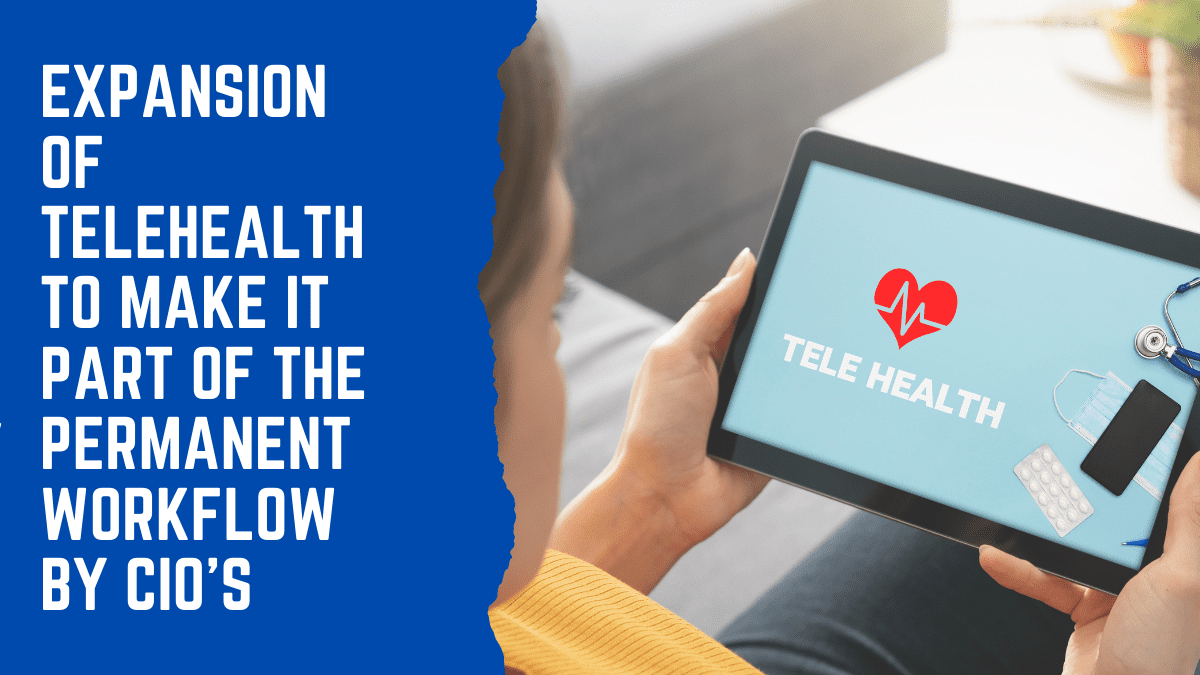
Expansion of Telehealth to Make it Part of The Permanent Workflow by CIOS
Telehealth has rapidly evolved from a temporary healthcare solution into a permanent part of modern healthcare delivery. During the COVID 19 pandemic, hospitals and healthcare systems implemented telemedicine technologies to maintain patient care while reducing in person interactions.
Today, healthcare organizations are no longer treating telehealth as a short term solution. Instead, hospitals, healthcare providers, and Chief Information Officers (CIOs) are integrating virtual care into long term operational workflows to improve patient access, streamline communication, and increase healthcare efficiency.
The Growing Importance of Telehealth in Healthcare
Telehealth has transformed how healthcare providers deliver medical services. From virtual consultations to remote patient monitoring, healthcare systems are now combining in person and virtual care to create a more connected patient experience.
Healthcare organizations are investing in scalable telemedicine technologies that support long term digital healthcare strategies and improve operational efficiency.
Why Hospitals Are Integrating Telehealth Into Permanent Workflows
Improved Patient Accessibility
Telehealth allows patients to connect with healthcare providers remotely, reducing travel time and improving access to care for rural and underserved communities.
Better Patient Engagement
Integrated telehealth platforms create a seamless digital experience that improves communication between patients and providers throughout the care journey.
Increased Operational Efficiency
Virtual care solutions help hospitals reduce administrative burdens, improve scheduling workflows, and optimize resource management.
Enhanced Care Coordination
Unified telehealth systems allow healthcare teams to collaborate more effectively by combining messaging, video appointments, patient records, and scheduling into a single platform.
Financial and Operational Benefits
Healthcare organizations adopting telehealth technologies often experience improved patient satisfaction, stronger brand reputation, and increased efficiency in care delivery.
The Role of CIOs in Telehealth Expansion
Chief Information Officers and healthcare IT leaders are responsible for integrating telehealth technologies across healthcare systems while ensuring compliance, security, and workflow efficiency.
Their focus includes:
- Implementing secure telemedicine platforms
- Integrating telehealth with existing EHR systems
- Improving digital patient experiences
- Streamlining provider workflows
- Expanding virtual care capabilities across departments
Healthcare leaders are increasingly viewing telehealth as an essential component of enterprise healthcare operations.
Embedding Telehealth Into Everyday Healthcare Operations
Modern healthcare systems are integrating telehealth directly into clinical workflows to improve care coordination and simplify administrative processes.
A unified telehealth platform allows healthcare providers to:
- Access patient records quickly
- Conduct secure video consultations
- Manage virtual appointments efficiently
- Improve communication between healthcare teams
- Reduce the need for multiple software systems
Virtual Patient Care Inside Hospitals
Telehealth technology is no longer limited to remote appointments. Hospitals are now using virtual care systems inside patient rooms to improve efficiency and patient engagement.
Virtual Nursing Units
Virtual nursing technology allows healthcare providers to complete non bedside tasks remotely, including:
- Patient education
- Medication reviews
- Documentation support
- Discharge coordination
This approach helps bedside nurses focus more on direct patient care while reducing administrative workload.
In Room Virtual Communication
Telehealth systems installed in patient rooms allow social workers, family members, and healthcare providers to communicate safely and efficiently with patients during hospital stays.
This improves patient satisfaction and supports collaborative care delivery.
Benefits of Unified Telehealth Platforms
Healthcare organizations are moving toward centralized telehealth systems that combine multiple functions into one secure platform.
Benefits include:
- Fewer software logins and administrative steps
- Better patient data accessibility
- Improved provider collaboration
- Faster communication between departments
- Streamlined patient care workflows
Learn how our EHR and EMR solutions support integrated telehealth workflows and healthcare efficiency
Why HIPAA Compliant Telehealth Matters
Security and compliance are critical when implementing telemedicine technology. Healthcare organizations must use HIPAA compliant telehealth platforms to protect patient information and maintain healthcare privacy standards.
Secure telehealth systems ensure safe communication, encrypted patient data, and reliable virtual care delivery.
The Future of Telehealth in Healthcare
Telehealth, telemedicine, and virtual nursing are reshaping the future of healthcare delivery. As healthcare systems continue investing in digital transformation, virtual care will remain a permanent and essential part of patient care strategies.
Healthcare organizations that adopt integrated telehealth technologies today will be better positioned to improve patient outcomes, increase efficiency, and support long term healthcare innovation.
Frequently Asked Questions
What is telehealth in healthcare?
Telehealth is the use of digital communication technologies such as video calls and remote monitoring tools to deliver healthcare services virtually.
Why are hospitals integrating telehealth into permanent workflows?
Hospitals are integrating telehealth to improve patient access, streamline operations, enhance care coordination, and increase healthcare efficiency.
What role do CIOs play in telehealth expansion?
CIOs manage the implementation, integration, security, and optimization of telehealth systems within healthcare organizations.
What are virtual nursing units?
Virtual nursing units use telehealth technology to support non bedside nursing tasks such as patient education, documentation, and discharge coordination.
Why is HIPAA compliance important in telehealth?
HIPAA compliance protects patient privacy and ensures secure communication between healthcare providers and patients during virtual care sessions.

5 Credentialing Issues in Healthcare & Their Resolutions
Credentialing issues in healthcare are extremely common. In fact, the process of provider credentialing has to be a prominent compliance issue for medical practices. It is quite normal for providers to have their applications rejected due to omissions and errors. The consequences can be considerably more disastrous without proper data insight and process oversight.
Table of Contents
- 1. 5 Common Credentialing Issues
- 2. Overcoming Issues with Healthcare Credentialing
- 3. We recommend verifying your state’s guidelines for:
- 4. The Bottom Line
Now, mistakes happen in any process. However, the mistakes in credentialing can be especially punishing. For instance, credentialing issues for nurse practitioners can cost a nurse their career. Moreover, mistakes in credentialing can cost healthcare organizations their hard-earned reputation. Suffice to say, no one can afford the legal and financial complications that follow a poorly executed credentialing process.
In this article, we would like to shine a light on some of the most common challenges with the medical credentialing system. We hope that being aware of these challenges will make you better equipped to tackle them.
5 Common Credentialing Issues
1. Keeping Information Up-To-Date
Many healthcare organizations struggle to access relevant applicant information. It is estimated that around 85% of submitted applications suffer from inaccurate, missing, or irrelevant information. It is mandatory to re-attest even minor changes like changes to address and phone number in the CAQH database.
Missing information or outdated details can quickly derail the already complicated and time-consuming credentialing process. The issue becomes even direr when you consider how frequently individual practitioners change the healthcare institutions they work for. Healthcare organizations must keep pace with the changes as they occur to avoid issues during the process.
2. Time-Consuming
It is no secret that the medical credentialing process is a time-consuming one. An application review can take around 90 days to complete. When you consider the involvement of additional stakeholders like contract negotiators and insurance companies, the process can easily go as long as six months. That is a long time and most healthcare organizations find their operations stalled because of it.
3. Staying Compliant
As we mentioned before, compliance issues are most prevalent in the credentialing process. Each state has different standards and policy guidelines that a provider needs to adhere to. Additionally, national organizations like CAQH have their own specific requirements that have to be met as well. This, of course, causes frustrating issues.
Read More: Credentialing Process Checklist You’ll Need in 2022
The rules, regulations, and requirements for medical credentialing vary from state to state. It also doesn’t help that these rules and regulations are volatile and experience frequent changes. It is important to leverage a reliable credentialing service or system to keep up with varying and changing regulations.
4. Challenging to Change Credentialing Program
As your healthcare organization grows and credentialing requirements become inevitably more complex, you will have no choice but to add integrations or switch to a different assessment system entirely. Migrating information in such a scenario, especially when you have a lot of preset prompts and questions that are not standard compliant, can become almost impossible.
You will have no option but to lose one or two components to make the migration possible. It is precisely because of this reason that many healthcare organizations get stuck with outdated platforms that are not capable of efficiently undertaking the credentialing process.
5. Ensuring the Privacy of Healthcare Professionals
Background checks are an integral part of the credentialing process. They are essential to determine that the applicant possesses the skills and qualifications required to provide care to patients. The process entails the submission of crucial documents such as practice license, work history, education qualification, etc.
As such, privacy become of the utmost importance. The credentialing organization will require information about an applicant’s entire history. Not disclosing this important information can result in the practitioner’s application being rejected. You will need a credentialing service or platform that keeps all of this information up-to-date and secure from prying eyes. Sadly, most organizations don’t have adequate platforms to safeguard such valuable information.
Overcoming Issues with Healthcare Credentialing
1. Outsource Your Credentialing Task
When it comes to hiring someone to overtake your credentialing process, there are two options at your disposal. You can try hiring an in-house staff that is dedicated to managing the process from start to finish or opt to outsource the task to third-party specialists like DENmaar.
Out of the two, outsourcing is evidently a relatively more cost-effective and time-efficient way to handle credentialing. With outsourcing, you get access to credentialing experts and their technology. Moreover, you aren’t saving money by not hiring personnel on salaries.
2. Pay Special Attention to Individual State Guidelines
It is important to do your homework with regards to what rules, legislations and policies would be applicable to your healthcare organization. As each state has different requirements, you need help of medical credentialing experts that are aware of policies and can help you with seamless and compliant transition.
We recommend verifying your state’s guidelines for:
- • Licenses
- • Education qualifications
- • Certifications.
3. Leverage Credentialing System Technology that Automates the Process
There are systems and advanced technology available today that can help your business automate the credentialing process to a good degree. We recommend looking for a credentialing platform that can:
- • Reduce Credentialing Workload Affecting Your Staff
- • Reduce Training Time for New Staff
- • Save time to focus on company growth.
Implementing such technology can be expensive. However, you stand to enjoy greater benefits in the long run with these technologies managing crucial aspects of your credentialing process.
The Bottom Line
Credentialing is no child’s play. Most healthcare organizations do not have the staff or resources to handle it with the care deserved. Fortunately, you can save yourself a lot of trouble by simply hiring credentialing specialists like DENmaar.
We understand how frustrating the process can be, and thus offer services dedicated to relieving you of this unwanted burden. We provide a fully automated system that gives you real-time updates of your credentialing application status. Plus, you get automatically notified by our robust system on the imminent expiration of documents, so your practice continues to legally serve patients with insurance. Moreover, we offer medical insurance credentialing services for sole practitioners as well as huge medical organizations.
Our Partners






Ready to get started?
Feel free to reach out if you have any questions.
