

Reduce payer friction, improve billing workflows, and support stronger reimbursement performance with behavioral-health-focused insurance knowledge built into the DENmaar platform.
Insurance Knowledge Team
Technology Alone
Doesn't Get Claims Paid.
Knowledge Does
Behavioral health reimbursement is constantly changing. Payer rules, modifiers, priorauthorizations, telehealth requirements, documentation standards, and state-specific billing policies create challenges that software alone cannot solve. DENmaar combines technology with a dedicated Insurance Knowledge Team focused exclusively on behavioral health reimbursement.

Behavioral Health Reimbursement Expertise

Operational support beyond software

Shared knowledge that strengthens outcomes

Built Specifically for Behavioral Health
Reimbursement support that understands
behavioral health complexity.
Our team works alongside providers and billing staff to navigate payer requirements, resolve
reimbursement issues, and continuously improve billing outcomes

Behavioral Health Expertise
Our team specializes exclusively
in behavioral health reimbursement
across all payer types.
in behavioral health reimbursement
across all payer types.

Payer Intelligence
Our team specializes exclusively
in behavioral health reimbursement
across all payer types.
in behavioral health reimbursement
across all payer types.

Continuous Research
Our team specializes exclusively
in behavioral health reimbursement
across all payer types.
in behavioral health reimbursement
across all payer types.

Better Reimbursement
Our team specializes exclusively
in behavioral health reimbursement
across all payer types.
in behavioral health reimbursement
across all payer types.
AREAS OF EXPERTISE

Commercial Insurance

Medicaid managed care

Medicare

Telehealth Billing

Prior Authorizations

Denial Management

Credentialing Support

Documentation Requirements

Behavioral Health Coding
How the Insurance Knowledge Team Works
A practical reimbursement support model that
turns payer complexity into operational clarity.
Every reimbursement issue becomes an opportunity to improve claim outcomes, strengthen workflows,
and make the DENmaar platform smarter over time.
1
Identify barriers
We identify reimbursement
challenges and payer roadblocks.
challenges and payer roadblocks.
2
Research Requirements
We research payer-specific requirements, rules, and policy updates.
3
Develop Strategy
We develop effective resolution strategies and best practices.
4
Share Knowledge
We share insights across the organization and client community.
5
Improve Workflows
We improve workflows to prevent recurring issues and denials.
6
Support Providers
We support providers
and billing teams every step of the way.
and billing teams every step of the way.
Knowledge That Improves the Entire Platform
Every reimbursement issue creates intelligence that strengthens future billing performance.
Every payer issue, denial pattern, workflow challenge, and reimbursement insight contributes to improving the DENmaar platform. The result is a continuously evolving system that becomes smarter over time—not just for one claim, but across operational billing workflows.

Payer issue patterns
Track the recurring payer requirements and billing obstacles that repeatedly affect reimbursement outcomes.

Denial insight loops
Use denial and follow-up experience to improve resolution quality and reduce repeat claim friction.

Workflow refinement
Translate reimbursement knowledge into better operational workflows tied to billing readiness and claim quality.

Shared organizational learning
Knowledge gained through real payer interactions can inform future reimbursement decisions across teams and clients.
Support for Multidisciplinary Organizations
Insurance knowledge support across the services and programs behavioral health organizations actually run.
DENmaar’s Insurance Knowledge Team supports organizations across outpatient therapy, psychiatry, substance use treatment, intensive programs, community behavioral health, and multidisciplinary care environments.

Therapy Practices
Medication Management
Substance Use Treatment Providers
IOP & PHP Programs
Community Behavioral Health Organizations
Multidisciplinary Practices
Why Organizations Choose DENmaar
Technology-supported workflows backed by real reimbursement knowledge.
DENmaar combines behavioral health specialization, reimbursement research, payer insight, and operational workflow support to help organizations improve billing accuracy and financial performance.

Behavioral health specialization
Real-world payer expertise
Continuous reimbursement research
Technology-supported workflows
Shared knowledge across client organizations
Focus on reimbursement accuracy
Request an Insurance Workflow Review
Discover how DENmaar’s Insurance Knowledge Team can strengthen reimbursement operations.
Request Information
TESTIMONIALS
WHAT OUR CLIENTS SAY
On behalf of everyone at Meadowlark Counseling Services, I want to extend our sincere thanks for the continued improvements you and your team have made to the DENMaar EMR platform. We have been consistently impressed with both the functionality and user-friendly design of the system, which has made a meaningful difference in our day-to-day operations. The intuitive layout and ease of use have allowed our staff to spend less time navigating the system and more time focusing on client care. The regular updates and enhancements reflect your commitment to meeting the evolving needs of providers in the behavioral health and substance use treatment fields. We genuinely look forward to the new features introduced each month and appreciate how responsive the platform has been to the demands of clinical workflows. We have been so pleased with our experience that we’ve taken the opportunity to recommend DENMaar to other professionals in Pennsylvania who are working in the SUD field. Thank you again for your ongoing support and partnership. We are grateful to be working with a company that truly understands the needs of its users. KIndly, Becky Parks on behalf of the entire team at Meadowlark Counseling Services
I referred one of my colleagues Dr Aaron to you he is just starting g his psychology private practice and looking at where to start. I told him hands down you guys are the best billers and have a great EMR and team. He said he reached out just wanted to let you know!
FANTASTIC job keeping things rolling along with any and all of our billing concerns as well as responding to other issues which may well have been out of your wheelhouse. We are VERY grateful to have you and the crew in our corner.
I appreciate you all so much and DENmaar has been such a blessing Donna to our overall operations and success as an expanding company—allowing us to ultimately operate more efficiently, get our claims paid more consistently, ad stay on top of the critical credentialing piece, among other things. Teamwork does in fact, make the dream work. I’ll loop Chris/Isabella in on this message thread too, as I want All of your team to be aware of how much we appreciate our working relationship with DENmaar
Thank you for your diligence!! I appreciate it so much. Thank you Edwina…
Thank you so much Amy! I will be referring to DENmaar as often as I am asked about credentialing services.
Our Latest Blogs

The Roadmap to Understanding Insurance Billing
Are you tired of navigating the confusing world of insurance billing? Look no further! In this article, we will guide you through the ins and outs of insurance billing, breaking down the process and highlighting the importance of accuracy. Discover the best practices to ensure smooth transactions and avoid costly errors. Get ready to take control of your insurance billing and maximize your reimbursements. Let’s dive in! In this section, you’ll learn about the basics of insurance billing. Introducing insurance billing is crucial as it sets the foundation for understanding the entire process. Understanding the importance of insurance billing is essential for healthcare providers to ensure they’re adequately reimbursed for their services. Healthcare providers can benefit from timely and consistent payment by accurately submitting claims to insurance companies, reducing financial strain. Following best practices in insurance billing is essential to avoid claim rejections or denials, which can lead to delayed or lost revenue.
Insurance Billing
First, it’s essential to know what insurance billing means. We’ll also explore key terms and concepts related to insurance billing, such as co-payments and deductibles.
What is insurance billing?
To understand insurance billing, you must familiarize yourself with submitting claims and receiving payments from insurance companies. Understanding claims is crucial in navigating insurance billing. Here are three key points to help you grasp the concept:
- Claims submission: You must accurately complete claim forms with all the necessary information, including patient details, diagnosis, and treatment codes. These forms are then submitted to the insurance company for processing.
- Claim validation: Once the insurance company receives the claim, they review it to ensure all the information is correct and complete. They may request additional documentation or clarification if needed.
- Payment processing: After validating the claim, the insurance company will determine their cover amount and issue payment accordingly. The payment may be sent directly to the healthcare provider or reimbursed to the patient.
Understanding these aspects of insurance billing enables you to navigate the process more effectively and ensure timely reimbursements.
Key terms and Concepts related to Insurance Billing
Understanding terminology is crucial in insurance billing, ensuring accurate communication and documentation. Familiarize yourself with common mistakes to avoid errors that could result in claim denials. The reimbursement process is the core of insurance billing, involving submitting claims to insurance companies and receiving payment for services rendered. Familiarize yourself with coding guidelines to ensure the accurate assignment of codes for procedures and diagnoses. Claim denials can occur for various reasons, such as incomplete or incorrect information. Understanding the reasons for claim denials and how to appeal them is essential for successful insurance billing. Transitioning into the next section, let’s explore the role of insurance companies in the billing process.
Role of Insurance Companies in the Billing Process
You must familiarize yourself with how insurance companies play a role in billing. Understanding their role is crucial to ensure smooth and timely insurance reimbursement for your medical services. Here are three key ways insurance companies are involved in the billing process:
- Determining insurance coverage: Insurance companies assess the policyholder’s coverage and determine how much medical services are covered.
- Processing insurance claims: Insurance companies receive and review the claims submitted by healthcare providers, checking for accuracy and ensuring they meet the policy requirements.
- Providing insurance reimbursement: Once the claim is approved, the insurance company reimburses the healthcare provider for the services rendered based on the agreed-upon rates.
Insurance companies often utilize specialized insurance billing software to streamline these processes. This software helps facilitate the submission and processing of claims, making the billing process more efficient. Understanding the role of insurance companies in the billing process is essential before delving into the intricacies of insurance billing.
Insurance Billing Process
This step-by-step guide will walk you through the procedures to ensure a smooth billing experience. We’ll also discuss common challenges and pitfalls that you may encounter, along with some valuable tips for streamlining the entire insurance billing process. Get ready to navigate the complexities with ease!
Step-by-step guide to Insurance Billing
First, you need to start with patient registration and insurance verification. This involves gathering all necessary information from the patient and ensuring their insurance coverage is valid. Next, you’ll move on to coding and documentation, assigning the correct medical codes to the services provided, and creating accurate documentation of the patient’s visit. Once this is done, you can submit claims, sending the necessary paperwork to the insurance company for review and payment.
Patient Registration and Insurance Verification
Once the patient arrives at the healthcare facility, it’s essential to begin the insurance billing process by completing the necessary patient registration and verification steps. This includes gathering patients’ personal information and insurance details and verifying their coverage. The next step is to verify the insurance information provided by the patient with the insurance company to ensure accuracy. Once the insurance is verified, the healthcare facility can proceed with claim processing and reimbursement procedures.
Coding and Documentation
To ensure accurate insurance billing, you must code and document the necessary information during the insurance billing process. Proper coding and documentation are crucial to avoid coding errors and ensure reimbursement. Following documentation guidelines and using electronic health records can help streamline the claim submission process. Additionally, effective coding and documentation play a vital role in denial management. Now that you understand the importance of coding and documentation, let’s move on to the next step: claims submission.
Claims Submission
When submitting claims for insurance billing, you must input the necessary information accurately and promptly. To ensure smooth claims processing and maximize reimbursement rates, follow these steps:
- Double-check all patient demographic and insurance information.
- Verify the correct coding and documentation for each service provided.
- Submit claims electronically for faster processing and reduced errors.
In case of claim denials, understand the appeals process to challenge the decision and potentially receive reimbursement.
Adjudication and payment
You need to understand adjudication and payment to continue the insurance billing process from claims submission. Adjudication is when insurance companies review and assess claims to determine if they meet the payment policies and reimbursement rates. Once the claims have been adjudicated and approved, payment is made to the healthcare provider. However, payment disputes may arise due to incorrect claim processing or discrepancies in reimbursement rates.
Common Challenges and Pitfalls
Regarding insurance billing, you may encounter several common challenges and pitfalls. One of these is denials and rejections, which can occur for various reasons, such as missing information or incorrect coding. Another challenge is dealing with incorrect coding and documentation errors, which can lead to claim denials or delays in payment. Additionally, you may face timely filing limitations, where insurance companies have specific deadlines for submitting claims, and failing to meet these deadlines can result in claim denials. Awareness of these challenges and pitfalls is essential to navigate the insurance billing process effectively.
Denials and Rejections
Dealing with denials and rejections can be frustrating in the insurance billing process. To effectively manage denials, you must understand the common denial reasons and take steps to prevent them

Mastering HIPAA Compliance: A Roadmap for Healthcare Professionals to Ensure Legal and Ethical Practices and Safeguard Patient Data
Let us go through the ins and outs of understanding HIPAA compliance. We’ll break down the HIPAA Privacy Rule and the HIPAA Security Rule and explain the potential enforcement and penalties involved. We’ll give you actionable steps to achieve compliance. So, let’s dive in and unravel the mysteries of HIPAA compliance together.
You need to understand what HIPAA compliance is before diving into the details, a comprehensive overview of HIPAA compliance, its purpose, scope, compliance challenges, and benefits. Health Insurance Portability and Accountability Act was enabled in 1996 to protect individuals’ medical information privacy. HIPAA compliance ensures that covered entities, such as healthcare providers, health plans, and healthcare clearinghouses, adhere to specific standards and regulations when handling protected health information (PHI). The scope of HIPAA compliance extends to electronic and paper records and the transmission of PHI. Compliance challenges include staying up-to-date with evolving regulations and implementing appropriate security measures. However, the benefits of HIPAA compliance include:
- Safeguarding patient privacy.
- Reducing the risk of data breaches.
- Promoting trust in the healthcare industry.
Now, let’s move on to an overview of HIPAA.
Overview of HIPAA
You will now understand the Health Insurance Portability and Accountability Act (HIPAA), its history and background, key provisions and objectives. HIPAA establishes guidelines for the electronic transmission of health information and sets standards for using and disclosing protected health information (PHI).
Health Insurance Portability and Accountability Act (HIPAA)
HIPAA regulations are in place to ensure that healthcare providers and organizations comply with specific requirements to safeguard patient data. Here are some key points to keep in mind:
Compliance requirements: HIPAA mandates that healthcare providers implement specific measures to protect patient information, such as conducting regular risk assessments, training staff on privacy and security practices, and implementing policies and procedures to prevent unauthorized access.
Privacy safeguards: HIPAA requires healthcare providers to have privacy policies and procedures to safeguard patients’ rights to control the use and disclosure of their health information.
Security measures: HIPAA also requires healthcare providers to implement encryption and password protection to safeguard electronic health records from unauthorized access.
Breach prevention: HIPAA requires healthcare providers to implement security prevention strategies, such as conducting regular audits and implementing safeguards to detect and prevent security incidents.
Understanding the importance of HIPAA compliance and its regulations is crucial for healthcare providers to ensure the privacy and security of patient information. Now that you have a clear understanding of HIPAA and its compliance requirements let’s delve into the history and background of HIPAA to gain further insight into its development and significance.
History and Background of HIPAA
HIPAA introduced regulations and standards that healthcare providers, health plans, and other covered entities must adhere to to ensure patients’ protected health information (PHI) privacy and security. The HIPAA compliance process involves implementing administrative, physical, and technical safeguards to safeguard PHI and prevent unauthorized access or disclosure. Non-compliance with HIPAA regulations can lead to severe consequences, including hefty fines and legal penalties. Various HIPAA education resources are available, such as online courses, training materials, and guidance documents provided by the Department of Health and Human Services (HHS) to help organizations and individuals understand and comply with HIPAA.
Key provisions and objectives of HIPAA
To protect your health information better, familiarize yourself with HIPAA’s key provisions and objectives. It will help you understand the compliance challenges that healthcare organizations face and the importance of adhering to HIPAA regulations. Here are two sub-lists to keep you interested:
Privacy Requirements:
– HIPAA requires healthcare providers to implement safeguards to protect patients’ health information privacy.
– It mandates using unique identifiers and encryption techniques to secure electronic health records.
Security Measures:
– HIPAA sets standards for physical and technical safeguards to protect health information from unauthorized access.
– It requires regular risk assessments and the implementation of security measures to prevent data breaches.
Understanding HIPAA’s key provisions will help you avoid HIPAA violations and the associated penalties and fines. By following the privacy requirements and implementing the necessary security measures, you can ensure the confidentiality and integrity of your health information.
Understanding HIPAA Compliance
Healthcare organizations must comply with HIPAA to safeguard patients’ health information. Failing to comply can lead to financial penalties and damage to the organization’s reputation.
Definition of HIPAA Compliance
You’ll need to understand the definition of HIPAA compliance to ensure you follow the necessary guidelines. HIPAA is a federal law that sets protecting personal health information standards. Here’s an overview of HIPAA compliance and its impact on the industry:
Regulations:
– Healthcare providers and health plans must protect the privacy and security of PHI.
– It also outlines specific requirements for the electronic transmission of health information, known as the HIPAA Security Rule.
Implementation challenges:
– Many organizations struggle with the complexity of HIPAA compliance, as it involves implementing technical, administrative, and physical safeguards.
– Ensuring proper training and education for employees is another challenge, as they need to understand their responsibilities in protecting patient information.
Best practices:
– Conducting regular risk assessments and audits to find and address vulnerabilities promptly.
– Implementing policies and procedures that meet the HIPAA requirements.
Industry impact:
– HIPAA compliance is essential to avoid costly fines and reputational damage for healthcare organizations.
– It helps build patient trust and confidence in the security and privacy of their health information.
Understanding the definition of HIPAA compliance is crucial for anyone in the healthcare industry. Organizations can protect patient information and avoid potential consequences by following the regulations, addressing implementation challenges, and adopting best practices.
Why healthcare organizations need to comply with HIPAA
Healthcare organizations must comply with HIPAA to safeguard patient information and avoid potential consequences. Compliance with HIPAA is of utmost importance in safeguarding patient information and ensuring privacy. Failure to comply with HIPAA regulations can have profound legal implications for healthcare organizations. The importance of compliance cannot be overstated, as violations can lead to fines and criminal charges. To maintain compliance, healthcare organizations should implement best practices such as conducting regular risk assessments, training staff on HIPAA requirements, and implementing strong security measures to protect patient data.
Consequences of non-compliance with HIPAA regulations
Failure to adhere to HIPAA regulations can result in significant penalties and legal ramifications, potentially impacting your organization’s reputation and financial stability. It is crucial to understand the consequences of non-compliance with HIPAA regulations. Consider the following:
Legal implications:
– Civil and criminal penalties may be given for violations, ranging from fines to imprisonment.
– Lawsuits from affected individuals can result in substantial financial settlements.
Financial impact:
– Non-compliance can lead to hefty fines, which can drain your organization’s financial resources.
– In addition to fines, there may be costs associated with legal defense and remediation efforts.
Failure to comply with HIPAA can also damage your organization’s reputation, eroding patient trust and confidence in your ability to protect their sensitive information. Upholding HIPAA standards is essential to maintaining a solid reputation and ensuring your patients’ trust. Understanding the consequences sets the stage for exploring the HIPAA Privacy Rule and its importance in safeguarding patient information.
HIPAA Privacy Rule
It’s crucial to thoroughly understand its essential components and requirements to ensure compliance with the HIPAA Privacy Rule. The Privacy Rule safeguards the privacy and security of individuals’ health information. It does this by establishing standards for its use and disclosure. Healthcare organizations can ensure compliance by implementing policies and procedures that address the specific requirements of the Privacy Rule. It includes obtaining patient consent for using and disclosing their health information and implementing safeguards to protect against unauthorized access.
Explanation of the HIPAA Privacy Rule
To understand the HIPAA Privacy Rule, you should familiarize yourself with the rights and responsibilities it outlines. This Rule sets privacy standards for protecting individuals’ medical information- Protected Health Information (PHI). Here are some key points to keep in mind:
Privacy Rule Requirements: The Rule requires healthcare providers and entities to implement safeguards to protect PHI from unauthorized use or disclosure.
HIPAA Privacy Standards: The standards include the use of encryption, secure storage of medical records, and strict access controls to verify PHI safety.
Privacy Rule Compliance Measures: Covered entities must possess policies to ensure compliance, including training staff on privacy practices.
Privacy Rule Violations and Penalties: Violations of the Privacy Rule can result in significant penalties, including fines and imprisonment.
Understanding these aspects will help you grasp the key components and requirements of the Privacy Rule, which we will discuss in the next section.
Key components and requirements of the Privacy Rule
You must be familiar with the key components and requirements outlined in the Privacy Rule to protect individuals’ medical information. The Privacy Rule, under HIPAA, establishes privacy safeguards for protected health information (PHI). These safeguards include administrative, physical, and technical measures to protect the confidentiality of PHI. A critical requirement of the Privacy Rule is the authorization requirement. Unless an exception applies, covered entities must obtain written authorization from individuals before using their PHI. Additionally, the Privacy Rule sets forth the minimum necessary standard, which means that covered entities should only use the minimum amount of PHI necessary to accomplish the intended purpose. Compliance audits ensure that covered entities adhere to the Privacy Rule and implement the necessary privacy safeguards to protect individuals’ medical information.
How healthcare organizations can ensure compliance with the Privacy Rule
Now that you understand the Privacy Rule’s key components and requirements let’s explore how healthcare organizations can ensure compliance with this necessary regulation. These organizations must have privacy safeguards to protect patient information and maintain the confidentiality of their medical records. Here are some steps they can take to achieve this:
– Implement encryption and secure storage to safeguard patient information from unauthorized access.
– Provide comprehensive compliance training to all employees, ensuring they understand their responsibilities in handling sensitive data and maintaining patient privacy.
– Conduct regular risk assessments
– Develop and document incident response procedures to effectively handle any privacy breaches or security incidents that may occur.
HIPAA Security Rule
It’s essential to understand its key components and requirements to ensure compliance with the HIPAA Security Rule. The Security Rule guides safeguarding electronic protected health information (ePHI) and aims to protect this sensitive data’s integrity, confidentiality, and availability. Healthcare organizations can ensure compliance by implementing a comprehensive security program. This program should include risk assessments, security policies and procedures, workforce training, and regular monitoring and auditing of their systems and processes.
Explanation of the HIPAA Security Rule
This Rule outlines the requirements for safeguarding protected health information. Here is an explanation of the HIPAA Security Rule:
– The security rule protects electronic protected health information (ePHI) from unauthorized access, use, and disclosure.
– It requires covered entities to conduct a risk analysis and implement appropriate safeguards to address identified risks.
– Administrative safeguards include policies, procedures, and employee training to protect ePHI.
– Physical safeguards involve protecting the physical infrastructure where ePHI is stored or transmitted.
In addition, the security rule also includes the breach notification rule, which mandates covered entities to report any breaches of ePHI to affected individuals, the Department of Health and Human Services, and, in some cases, the media. Thus, organizations must understand and adhere to its requirements. Now that you have a clear understanding of the explanation and requirements of the HIPAA Security Rule, let’s dive deeper into its essential components and necessary actions for compliance.
Key components and requirements of the Security Rule
To ensure proper adherence to the Security Rule, organizations must familiarize themselves with its essential components and necessary actions for compliance. The Security Rule outlines specific security measures covered entities must implement to protect the electronic protected health information (ePHI). One of the critical requirements is conducting a risk assessment. This assessment helps organizations determine the appropriate administrative safeguards, such as implementing security policies and procedures, assigning security responsibilities, and training employees. Additionally, organizations must implement technical safeguards, such as access controls, audit controls, and encryption, to protect ePHI. Physical safeguards, including facility access controls, workstation security, and device and media controls, are also essential in ensuring the physical security of ePHI.
How healthcare organizations can ensure compliance with the Security Rule
Healthcare organizations can ensure Security Rule compliance by conducting risk assessments to protect electronic protected health information (ePHI). To ensure safeguards and prevent breaches, consider the following:
-Conduct thorough risk assessments: Identify potential vulnerabilities and risks to ePHI and address them promptly.
– Implement security measures: This includes physical safeguards like secure access controls and technical safeguards like encryption and firewalls.
– Fulfill documentation requirements: Maintain documentation of security policies and procedures, risk assessments, and security incident responses.
– Provide employee training: Educate staff on HIPAA regulations, security policies, and best practices for handling ePHI.
– Prevent breaches: Regularly monitor and audit systems, conduct security awareness campaigns, and implement incident response plans.
By proactively ensuring these safeguards, healthcare organizations can minimize the risk of HIPAA breaches and protect patient information. Let’s move on to the next section covering the HIPAA breach notification rule.
HIPAA Breach Notification Rule
In this discussion, you’ll learn about the HIPAA Breach Notification Rule. This Rule outlines the requirements for reporting and responding to breaches in the healthcare industry. We’ll explain the key points of this Rule, including the definition of a breach and the timeline for reporting. Additionally, we’ll explore practical strategies and best practices for healthcare organizations to handle and prevent breaches. It is crucial for ensuring the protection of patient information.
Explanation of the HIPAA Breach Notification Rule
If you experience a breach of protected health information, it’s essential to understand the HIPAA Breach Notification Rule. This Rule outlines the requirements for reporting, responding, and handling breaches to protect patient privacy and security. Here are some key points to consider:
– Effective breach prevention strategies are crucial in minimizing the risk of breaches. Regular employee training, strong passwords, and encryption are some examples.
– Notable breach cases, such as the Anthem breach in 2015, have resulted in significant consequences for organizations, including financial penalties and reputational damage.
– Resources and tools for breach notification, such as the breach notification templates, can help organizations navigate the process effectively.
– Understanding the breach notification rule is essential as it ensures compliance with HIPAA regulations and helps protect patient information.
Requirements for reporting and responding to breaches
By familiarizing yourself with the requirements for reporting and responding to breaches, you can ensure that patient information is protected and appropriate action is taken. Under HIPAA, healthcare organizations are required to have policies and procedures in place to address breach incidents. The breach response should include immediate actions to contain the breach, assess the extent of the breach, and mitigate any harm to individuals affected. It is crucial to have breach prevention strategies to minimize the risk of breaches occurring. Organizations must follow a breach notification process in the event of a breach. Furthermore, a thorough breach investigation should be conducted.
How healthcare organizations can effectively handle and prevent breaches
Familiarizing yourself with effective breach handling and prevention strategies is crucial for healthcare organizations. When it comes to preventing breaches, there are several key cybersecurity measures you should consider implementing:
– Conduct regular risk assessments
– Implement strong access controls and encryption protocols to protect sensitive data.
In addition to prevention, having a well-defined breach response plan is equally essential. Here are some steps to consider:
– Train your employees
– Establish a transparent chain of communication and designate a response team.
– Conduct drills and simulations to ensure everyone knows their roles and responsibilities during a breach.
HIPAA Enforcement and Penalties
In this discussion, you’ll be provided with an overview of the various HIPAA enforcement agencies and their roles in ensuring compliance with HIPAA regulations. You’ll also learn about the penalties and fines that can be imposed for HIPAA violations, including civil and criminal penalties. Additionally, we’ll explore some notable case studies of HIPAA violation cases and discuss the consequences the organizations involved face.
Types of penalties and fines for HIPAA violations
It is essential to be aware of the different types of consequences that can occur to avoid penalties and fines for HIPAA violations. HIPAA violations can lead to severe legal and financial penalties. Regarding legal consequences, breaching HIPAA regulations can result in civil and criminal charges. Civil penalties depend on the severity and duration of the violation. Criminal charges can result in fines. Financial penalties for non-compliance with HIPAA can reach up to $1.5 million per year, depending on the level of negligence. Additionally, enforcement actions can include audits, corrective action plans, and mandatory training programs. Understanding the potential consequences to ensure HIPAA compliance and protect sensitive patient information.
Consequences of notable HIPAA violation cases
Please ensure you know the consequences by examining case studies of notable HIPAA violation cases and their resulting penalties. Here are some recent cases and their legal implications:
Recent cases: Notable HIPAA violations
– Case 1: Because of a data breach exposing sensitive patient information, a hospital was fined $2.5 million for negligence.
– Case 2: A clinic disclosed patient records without consent, resulting in a $1.5 million penalty.
These violations significantly impact patients, breaching their privacy and causing potential harm. To prevent such incidents, healthcare organizations must ensure HIPAA compliance through preventive measures such as regular staff training, implementing robust security measures, and conducting audits. Lessons learned from these cases highlight the importance of safeguarding patient information and following best practices. Healthcare organizations can protect patient privacy and avoid costly penalties by understanding the consequences and taking proactive steps. In the subsequent section, let’s explore the steps to achieve HIPAA compliance.
Steps to Achieve HIPAA Compliance
There are several key steps you need to take.
- First, you should assess your current compliance status to identify any areas that need improvement.
- Next, developing and implementing policies and procedures that align with HIPAA regulations is crucial.
- Training your staff and educating employees on HIPAA requirements is essential to ensure they understand their responsibilities.
- Lastly, regular audits and monitoring should be conducted.
Assessing current compliance status
Assessing your current compliance status can be done by reviewing your documentation and conducting a thorough risk assessment. Several compliance assessment tools are available to help you in this process that can streamline the evaluation of your HIPAA compliance. These tools comprehensively analyze your adherence to HIPAA regulations and help identify compliance gaps that must be addressed. To ensure the effectiveness of your compliance efforts, following best practices for compliance is essential. It includes:
- Reviewing and updating policies and procedures.
- Training your staff on HIPAA requirements.
- Implementing strong security measures to protect patient data.
Measuring compliance effectiveness is crucial to determining your compliance program’s success. It can be achieved by conducting regular audits and assessments and monitoring and tracking incidents or breaches.
Developing and implementing policies and procedures
Developing and implementing policies and procedures is crucial for ensuring that your organization adheres to the necessary regulations and safeguards patient information. To achieve HIPAA compliance, you must first develop policies that outline the necessary steps and guidelines for handling sensitive data. These policies should address data access, storage, and disposal areas. Once your policies are in place, it is equally important to implement procedures that align with these policies. It involves creating a systematic approach to handling patient information and ensuring that all staff members are aware of and trained in these procedures. Compliance requirements should be communicated to all employees, and policy enforcement mechanisms should be established to monitor and enforce adherence.
Training staff and educating employees on HIPAA requirements
When training your staff and educating employees, it’s essential to emphasize HIPAA requirements and ensure patient privacy and data security. To effectively train your team, consider the following methods for HIPAA compliance:
– Conducting regular training sessions, both in-person and online, to educate employees about HIPAA regulations and their responsibilities.
– Providing real-life scenarios and case studies to help employees understand how to handle sensitive patient information appropriately.
Employee responsibilities in HIPAA compliance include:
– Understanding and following the organization’s policies and procedures related to HIPAA.
– Safeguarding patient information using secure passwords, encrypting data, and reporting suspected breaches.
HIPAA compliance challenges may include:
– Keeping up with changing regulations and technologies.
– Ensuring consistent compliance across all departments and employees.
To ensure effectiveness in HIPAA compliance training, consider implementing these best practices:
– Tailoring training programs to specific job roles and responsibilities.
– Providing ongoing education and refreshers to reinforce knowledge and address any updates or changes.
Regular audits and monitoring are crucial to ensuring ongoing compliance with HIPAA requirements. By regularly reviewing and assessing your organization’s practices, you can identify areas for improvement and take corrective action as needed.
Regular audits and monitoring to ensure ongoing compliance
Regular audits and monitoring are crucial for ensuring adherence to HIPAA requirements and maintaining patient privacy and data security. Ongoing monitoring helps organizations identify potential gaps or vulnerabilities in compliance with HIPAA regulations. By conducting regular compliance audits, organizations can assess their adherence to HIPAA requirements and identify areas for improvement. These audits assess whether the organization’s policies and procedures align with the regulatory standards set by HIPAA. Regular risk assessments should also be conducted. It allows organizations to address any vulnerabilities and implement necessary safeguards proactively.
HIPAA Compliance services
Regarding HIPAA compliance, service providers such as DENmaar can assist you. They can provide you with an overview of the requirements and help you navigate the complexities of HIPAA regulations. They perform the following activities:
Security Measures: Encryption, access controls, and employee training is crucial for HIPAA compliance.
Data Breach Prevention: Regularly reviewing and updating your policies and procedures, conducting audits, and staying informed about the latest security threats are vital to preventing data breaches.
Utilizing DENmaar can enhance your understanding of HIPAA compliance and ensure your organization is well-prepared to protect patient information.
Recap of key points discussed
To recap, here are the key points discussed in the article on HIPAA compliance:
– Understanding HIPAA compliance is crucial for healthcare organizations to avoid legal consequences.
– The Privacy Rule sets guidelines for how protected health information (PHI) should be handled, stored, and shared.
– The Security Rule outlines technical safeguards to ensure PHI’s confidentiality, integrity, and availability.
– HIPAA compliance requires organizations to conduct regular risk assessments, implement security measures, and train employees on privacy practices.
– Non-compliance can cause hefty fines and reputational damage.
Organizations must stay updated with the latest regulations and implement a robust compliance program to maintain HIPAA compliance. Understanding the critical points of HIPAA compliance is essential for healthcare organizations to protect patient privacy and avoid legal consequences. Compliance involves adhering to the Privacy and Security Rules, conducting risk assessments, implementing security measures, and training employees. Non-compliance can result in reputational damage. Therefore, organizations must stay current with regulations and maintain a robust compliance program.
Importance of maintaining HIPAA compliance for healthcare organizations
Maintaining HIPAA compliance is crucial for healthcare organizations to safeguard patient privacy and avoid legal repercussions. The importance of training cannot be overstated regarding HIPAA compliance. Employees must be educated on the rules and regulations to ensure they handle patient information securely and appropriately. Non-compliance can have severe consequences, including hefty fines and reputational damage. Therefore, organizations need to implement breach-prevention strategies.
Additionally, healthcare organizations should stay updated on HIPAA enforcement agencies’ latest guidance and regulations to ensure ongoing compliance. DENmaar can assist organizations in meeting the requirements. Understanding and prioritizing HIPAA compliance is vital for healthcare organizations.
Final thoughts on the significance of understanding HIPAA compliance.
Healthcare organizations must grasp the importance of comprehending and adhering to HIPAA regulations. Noncompliance can cause legal penalties, damaged reputation, and compromised patient trust. Here are some key points to consider:
Significance:
– HIPAA regulations protect patients’ sensitive health information, ensuring confidentiality and privacy.
– Compliance with HIPAA is essential to maintain trust between healthcare providers and patients.
Benefits:
– Proper understanding and adherence to HIPAA regulations help healthcare organizations avoid costly breaches and penalties.
– Compliance improves data security measures, reducing the risk of unauthorized access and data breaches.
Challenges:
– Healthcare organizations face the challenge of HIPAA regulations.
– Balancing patient privacy with the need for efficient healthcare communication can be challenging.
Best practices:
– Regular training and education on HIPAA regulations for all staff members.
– Implementing robust security measures.
Future trends:
– The increasing use of technology in healthcare will require organizations to adapt their HIPAA compliance strategies.
– Telehealth and remote patient monitoring will demand new approaches to ensure HIPAA compliance.
Understanding and adhering to HIPAA regulations is not only a legal requirement but also vital for safeguarding patient information and maintaining trust. By staying informed, implementing best practices, and adapting to future trends, healthcare organizations can successfully navigate the complexities of HIPAA compliance.
Conclusion
Hopefully, you’ve gained a solid understanding of HIPAA, its privacy and security rules, and non-compliance fines. You’ve also learned how to achieve HIPAA compliance and discovered helpful resources such as DENmaar. Remember, staying HIPAA compliant is crucial. It’s like the backbone of healthcare security, protecting sensitive information with the strength of a thousand fortresses. Stay diligent and keep your patients’ data safe!
If you’re looking for a reliable HIPAA Compliance service that can help you navigate the complexities of HIPAA regulations, ensure compliance, and provide ongoing support, look no further. At DENmaar, our HIPAA Compliance service can meet the specific needs of healthcare organizations, offering comprehensive solutions and expert guidance. Our Telemental health platform is a HIPAA-compliant module built within our RCM System for web and mobile usage. DENpay is our HIPAA-compliant virtual patient billing system designed to improve patient satisfaction. Don’t let compliance challenges overwhelm you – take action now and safeguard your patients’ data. Click here to learn more and schedule a consultation with our team.
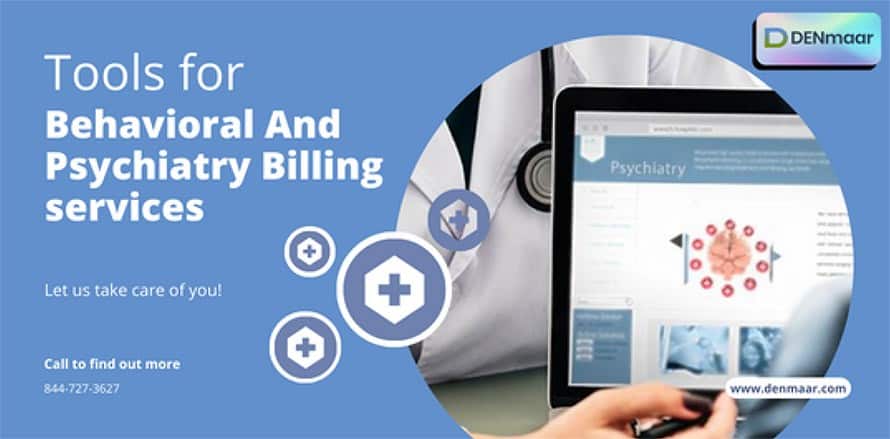
What tools are used for medical billing to manage behavioral and psychiatry medical billing services?
DENmaar provides a suite of mHealth IT solutions and services.
Since 2008 DENmaar’s sole objective has been to provide mental healthcare providers and practices with valuable services and tools to enable increased revenue, decreased administration time, and improved patient engagement experience. Utilizing internally designed IT systems built explicitly for the mental healthcare specialty
What tools are used for medical billing to manage behavioral and psychiatry medical billing services?
The field of psychiatry, medical billing, and mental health is unlike any other medical field. But analysis and diagnosis in the context of mental illness and treatment are more complicated to understand. Because of the complexities involved in treating mental and behavioral health problems, medical billing for psychiatry has become more complex than for other practices or fields. To effectively manage behavioral and mental health practices, it is necessary to know the various aspects and adjust the required tools and resources to help your billing team be available to patients who need them.
Having the right medical billing software is vital to ensure accurate billing. With the right tools, providers can streamline medical and behavioral billing requirements. It is also essential to note that there is no one-size-fits-all solution. Programs designed to meet specific practice needs enhance RCM and clinical practice.
DENmaar Revenue Cycle Management
Our behavioral health billing software harbors an RCM claims engine that allows mental and behavioral health practices to handle their revenue cycle management in a manner that ensures successful claims submissions and timely reimbursements.
Psychiatric medical billing services use the following tools:
Special coding
Medical billing for psychiatric and behavioral health uses special codes to ensure accurate billing. Codes created are not used by mental health professionals and are not included in the mental health billing process.
Sometimes systems slow down the billing process because medical health billing requirements are bypassed with previously submitted irrelevant information or data that cannot be used at the time of billing. The program, designed specifically for behavioral health and medical billing, comes with a list of frequently used codes. The program keeps updating codes that you don’t use for your practice. These codes are not completely deleted from the system but are acceptable when the invoice is issued.
Custom dashboard
In addition to prioritizing billing codes under a billing specialty program designed explicitly for behavioral, psychological, and mental health, billers must offer specific dashboards. Customized billing reports will show how your practice is progressing and how much effort it takes to create accurate billing that improves your practice’s efficiency.
Claim advertising tools
The more organized your claim, the quicker they will respond. As insurance companies begin to consider patients’ mental illness diagnoses, medical billing causes providers to accept insurance options for billing. High-quality software designed to meet the necessities of professional offer tools to ensure accurate billing for clean claim submissions, allow payment options for practitioners and verify insurance coverage before submitting the process.
Special services
Mental health clinic staff are often young, so outsourcing psychiatric billing claims to behavioral health may be the best option to focus more on patient health.
Coding expert
Suppose psychiatric medical billing coding is contracted to a trusted third party. It means you delegate billing authority to psychiatry professionals who are well-versed and knowledgeable.
Depending on your needs, programming experts are trained to provide up-to-date medical and behavioral health codes. When your staff is tired of billing for specific coding practices and meeting required standards, shifting the workload to your billing partner will help you stay on the cutting edge of technology.
Eliminate administrative responsibilities
Keeping billing staff in-house is expensive, and billing structures demand administrative responsibilities that require quick and often time-consuming actions. Outsourcing your medical billing to a trusted party removes the complexity of managing an in-house billing staff and allows you to focus your entire mental health on patients and services.
Claim Management
Medical-behavioral and psychiatric billing outsourcing enable first-time access to accurate claims, submission, reimbursement, or denial management. They open a single window for complete claims management that meets timely payment process optimization needs, ensuring that even rejected claims can be safely resubmitted when the entire billing process is handed over to a trusted party.
Outsourcing invoice approval services uses real-time claim tracking and filtering tools that don’t count rejected claims after course correction. After the separation of denial claims, corrections are made promptly to resubmit them before expiration.
DENmaar uses all the necessary tools for medical billing to manage behavioral and mental health. Full-service Revenue Cycle Billing services, authorization assistance, claims rejection, and denial resolution.
844-727-3627 Insurance Credentialing & Mental Health Billing Services (denmaar.com)
Our Partners






Ready to get started?
Feel free to reach out if you have any questions.
