

Reduce payer friction, improve billing workflows, and support stronger reimbursement performance with behavioral-health-focused insurance knowledge built into the DENmaar platform.
Insurance Knowledge Team
Technology Alone
Doesn't Get Claims Paid.
Knowledge Does
Behavioral health reimbursement is constantly changing. Payer rules, modifiers, priorauthorizations, telehealth requirements, documentation standards, and state-specific billing policies create challenges that software alone cannot solve. DENmaar combines technology with a dedicated Insurance Knowledge Team focused exclusively on behavioral health reimbursement.

Behavioral Health Reimbursement Expertise

Operational support beyond software

Shared knowledge that strengthens outcomes

Built Specifically for Behavioral Health
Reimbursement support that understands
behavioral health complexity.
Our team works alongside providers and billing staff to navigate payer requirements, resolve
reimbursement issues, and continuously improve billing outcomes

Behavioral Health Expertise
Our team specializes exclusively
in behavioral health reimbursement
across all payer types.
in behavioral health reimbursement
across all payer types.

Payer Intelligence
Our team specializes exclusively
in behavioral health reimbursement
across all payer types.
in behavioral health reimbursement
across all payer types.

Continuous Research
Our team specializes exclusively
in behavioral health reimbursement
across all payer types.
in behavioral health reimbursement
across all payer types.

Better Reimbursement
Our team specializes exclusively
in behavioral health reimbursement
across all payer types.
in behavioral health reimbursement
across all payer types.
AREAS OF EXPERTISE

Commercial Insurance

Medicaid managed care

Medicare

Telehealth Billing

Prior Authorizations

Denial Management

Credentialing Support

Documentation Requirements

Behavioral Health Coding
How the Insurance Knowledge Team Works
A practical reimbursement support model that
turns payer complexity into operational clarity.
Every reimbursement issue becomes an opportunity to improve claim outcomes, strengthen workflows,
and make the DENmaar platform smarter over time.
1
Identify barriers
We identify reimbursement
challenges and payer roadblocks.
challenges and payer roadblocks.
2
Research Requirements
We research payer-specific requirements, rules, and policy updates.
3
Develop Strategy
We develop effective resolution strategies and best practices.
4
Share Knowledge
We share insights across the organization and client community.
5
Improve Workflows
We improve workflows to prevent recurring issues and denials.
6
Support Providers
We support providers
and billing teams every step of the way.
and billing teams every step of the way.
Knowledge That Improves the Entire Platform
Every reimbursement issue creates intelligence that strengthens future billing performance.
Every payer issue, denial pattern, workflow challenge, and reimbursement insight contributes to improving the DENmaar platform. The result is a continuously evolving system that becomes smarter over time—not just for one claim, but across operational billing workflows.

Payer issue patterns
Track the recurring payer requirements and billing obstacles that repeatedly affect reimbursement outcomes.

Denial insight loops
Use denial and follow-up experience to improve resolution quality and reduce repeat claim friction.

Workflow refinement
Translate reimbursement knowledge into better operational workflows tied to billing readiness and claim quality.

Shared organizational learning
Knowledge gained through real payer interactions can inform future reimbursement decisions across teams and clients.
Support for Multidisciplinary Organizations
Insurance knowledge support across the services and programs behavioral health organizations actually run.
DENmaar’s Insurance Knowledge Team supports organizations across outpatient therapy, psychiatry, substance use treatment, intensive programs, community behavioral health, and multidisciplinary care environments.

Therapy Practices
Medication Management
Substance Use Treatment Providers
IOP & PHP Programs
Community Behavioral Health Organizations
Multidisciplinary Practices
Why Organizations Choose DENmaar
Technology-supported workflows backed by real reimbursement knowledge.
DENmaar combines behavioral health specialization, reimbursement research, payer insight, and operational workflow support to help organizations improve billing accuracy and financial performance.

Behavioral health specialization
Real-world payer expertise
Continuous reimbursement research
Technology-supported workflows
Shared knowledge across client organizations
Focus on reimbursement accuracy
Request an Insurance Workflow Review
Discover how DENmaar’s Insurance Knowledge Team can strengthen reimbursement operations.
Request Information
TESTIMONIALS
WHAT OUR CLIENTS SAY
On behalf of everyone at Meadowlark Counseling Services, I want to extend our sincere thanks for the continued improvements you and your team have made to the DENMaar EMR platform. We have been consistently impressed with both the functionality and user-friendly design of the system, which has made a meaningful difference in our day-to-day operations. The intuitive layout and ease of use have allowed our staff to spend less time navigating the system and more time focusing on client care. The regular updates and enhancements reflect your commitment to meeting the evolving needs of providers in the behavioral health and substance use treatment fields. We genuinely look forward to the new features introduced each month and appreciate how responsive the platform has been to the demands of clinical workflows. We have been so pleased with our experience that we’ve taken the opportunity to recommend DENMaar to other professionals in Pennsylvania who are working in the SUD field. Thank you again for your ongoing support and partnership. We are grateful to be working with a company that truly understands the needs of its users. KIndly, Becky Parks on behalf of the entire team at Meadowlark Counseling Services
I referred one of my colleagues Dr Aaron to you he is just starting g his psychology private practice and looking at where to start. I told him hands down you guys are the best billers and have a great EMR and team. He said he reached out just wanted to let you know!
FANTASTIC job keeping things rolling along with any and all of our billing concerns as well as responding to other issues which may well have been out of your wheelhouse. We are VERY grateful to have you and the crew in our corner.
I appreciate you all so much and DENmaar has been such a blessing Donna to our overall operations and success as an expanding company—allowing us to ultimately operate more efficiently, get our claims paid more consistently, ad stay on top of the critical credentialing piece, among other things. Teamwork does in fact, make the dream work. I’ll loop Chris/Isabella in on this message thread too, as I want All of your team to be aware of how much we appreciate our working relationship with DENmaar
Thank you for your diligence!! I appreciate it so much. Thank you Edwina…
Thank you so much Amy! I will be referring to DENmaar as often as I am asked about credentialing services.
Our Latest Blogs
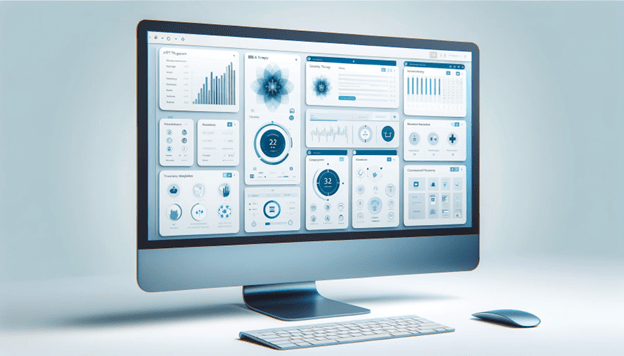
Revolutionizing Mental Health Substance Abuse and ABA Therapy with Our Multi-Modality EHR System
In the evolving landscape of mental health and Applied Behavior Analysis (ABA) therapy, professionals need an Electronic Health Record (EHR) system to keep up with their dynamic and diverse needs. Our state-of-the-art EHR system is designed to meet these diverse needs, offering various features tailored for Mental Health Substance Abuse and ABA professionals. From tracking patient progress to ensuring accurate billing, our EHR system provides seamless integration and efficient management of all MHSA or ABA practice aspects. With customizable templates specifically designed for the unique requirements of these professionals, documenting patient assessments and treatment plans becomes effortless. As the demand for ABA therapy grows, practitioners must have a comprehensive EHR system that records data, facilitates clinical decision-making, and streamlines administrative tasks. With DENmaar’s Multi-Modality EHR System, therapists can seamlessly integrate treatment plans, progress notes, and behavior tracking into a single platform, enhancing collaboration and communication within interdisciplinary teams. Moreover, as ABA therapy expands beyond traditional clinical settings, accessing and updating patient records from any location becomes essential. DENmaar’s EHR system offers mobile functionality that empowers providers to deliver high-quality care while on the go. This flexibility improves efficiency and ensures clients receive consistent and coordinated support across various environments. By harnessing the power of technology in this way, ABA professionals can stay ahead of the curve in delivering personalized and effective interventions for individuals with disorders.
Key Features of our Multi-Modality EHR System
DENmaar’s Multi-Modality EHR system is revolutionizing mental health and ABA therapy facilities’ operations. The seamless integration of different modalities allows practitioners to consolidate data from various therapies into a single platform. It empowers healthcare providers with a comprehensive view of each patient’s treatment journey, enabling them to make more informed decisions and deliver personalized care. The system’s advanced customization options offer tailored solutions for specific behavioral health practices, ensuring providers can access tools that align with their unique needs. With built-in telehealth capabilities, DENmaar’s EHR system enables convenient virtual consultations and remote monitoring, expanding patient care access in diverse settings. It enhances efficiency and fosters better patient engagement, as individuals can easily connect with their healthcare team regardless of location. By combining these innovative features, DENmaar’s Multi-Modality EHR system empowers mental health and ABA therapy facilities to deliver superior care while optimizing operational processes. Some of the significant features of DENmaar are given below:
- Diverse Progress Notes: Catering to various services, our EHR provides various customizable progress note templates. These templates are designed for different modalities, ensuring accurate and efficient documentation for each unique therapeutic encounter. From behavioral observations to treatment interventions, the diverse range of templates ensures therapists can capture specific information relevant to each client’s unique needs. It streamlines the documentation process and allows for tailored and comprehensive care plans. One significant advantage of these diverse progress note templates is their ability to cater to a broad spectrum of therapeutic approaches. Whether behavioral therapy or applied behavior analysis, our EHR system enables practitioners to align their documentation with the specific modalities they employ. By providing specialized fields for each therapeutic method, therapists can ensure that their progress notes accurately reflect the techniques and strategies utilized in each session. This level of customization empowers clinicians to maintain detailed records that support evidence-based practice while accommodating the vast array of treatments offered within mental health and ABA therapy settings.
- Prescription Capabilities for Psychiatrists: Psychiatrists can leverage our integrated e-prescription module, streamlining medication management and ensuring seamless, error-free prescription processes. One of the advancements in mental health care is the integration of e-prescription capabilities within psychiatrists’ electronic health records (EHR) systems. This technological innovation allows psychiatrists to streamline medication management, improve prescription accuracy, and enhance patient safety. By leveraging DENmaar’s integrated e-prescription module; psychiatrists can seamlessly prescribe and monitor medications while minimizing the risk of errors associated with traditional paper-based prescriptions. Moreover, integrating e-prescribing capabilities into a comprehensive EHR system provides psychiatrists with immediate access to patient’s medication history, drug interactions, and real-time formulary information. It empowers them to make informed decisions about treatment plans while ensuring better coordination with pharmacists and other healthcare providers. The ability to electronically send prescriptions to pharmacies also enhances convenience for clinicians and patients, ultimately driving improved medication adherence and overall treatment outcomes.
- Comprehensive Patient Management: The system offers a robust suite for managing patient records, scheduling, billing, and more – all in a secure, HIPAA-compliant environment. The comprehensive patient management suite provided by DENmaar’s Multi-Modality EHR system revolutionizes how mental health and ABA therapy facilities operate. This robust suite offers a seamless way to manage patient records, facilitating efficient access to crucial medical data. More than just a record-keeping system, it also streamlines scheduling, enabling providers to optimize their time and resources for maximum patient care. Its integrated billing functionality ensures that practitioners can focus on treatment delivery instead of administrative tasks, ultimately improving the overall patient experience. This system’s unwavering commitment to ensuring data security and compliance with HIPAA regulations sets it apart. Healthcare organizations can confidently meet industry standards while prioritizing patient privacy by offering a secure platform for storing sensitive patient information. It establishes trust between providers and patients and minimizes unauthorized access or breaches risks. Furthermore, the system’s adaptability allows mental health and ABA therapy facilities to customize their workflows according to specific needs, ultimately enhancing operational efficiency and improving patient outcomes.
- Data-Driven Insights: With advanced analytics, professionals can gain valuable insights into treatment outcomes, helping to refine therapeutic approaches and enhance patient care. Mental health and ABA therapy professionals can harness data-driven insights to enhance treatment outcomes. By analyzing large datasets, clinicians can identify patterns and trends that were previously hidden, permitting a more refined and personalized approach to therapy. This shift towards leveraging data for decision-making enables practitioners to better understand their clients’ progress and tailor interventions according to specific needs, ultimately leading to more effective therapeutic outcomes. Moreover, this data-driven approach also facilitates continuous improvement in treatment modalities by providing real-time feedback on the efficacy of different interventions. As professionals observe the impact of various therapeutic approaches through objective metrics, they can make informed decisions about refining their strategies. It enhances the quality of care and contributes to a culture of evidence-based practice within mental health and ABA therapy. Utilizing advanced analytics in treatment planning represents a significant leap forward in optimizing outcomes for individuals seeking support in these domains.
- User-Friendly Interface: Despite its comprehensive capabilities, our EHR system boasts a user-friendly interface, reducing the learning curve and enhancing productivity. With a clean and intuitive design, healthcare professionals can navigate through various features of our EHR system. The interface is thoughtfully organized, presenting information logically that aligns with medical practitioners’ workflow. The user-friendly interface incorporates icons, allowing users to effortlessly identify different sections and functionalities. This visual aid helps to streamline locating patient records or accessing specific treatment plans. In addition, the EHR system offers customizable options for each user, ensuring personalized preferences are met. Healthcare providers can easily tailor their display settings to suit their unique needs and optimize efficiency. Moreover, we have integrated the search function into our user-friendly interface.
Conclusion
Our multi-modality MHSA/ABA EHR system is more than just a record-keeping tool; it’s a comprehensive solution designed to empower mental health and ABA professionals. Its blend of versatility, efficiency, and security makes it an invaluable asset in delivering quality patient care. It goes beyond mere record-keeping, serving as a dynamic platform that empowers clinicians, administrators, and patients. We offer a holistic solution that streamlines workflows and enhances patient care by integrating multiple modalities, such as Applied Behavior Analysis (ABA) and Mental Health Substance Abuse, into one comprehensive system. What sets our EHR system apart is its ability to customize treatment plans based on patient requirements. By leveraging data analytics and reporting features, clinicians can gain valuable insights into each patient’s progress, allowing for more targeted interventions. This level of personalized care improves outcomes and fosters a more profound sense of engagement between the clinician and the patient. Our system isn’t just about digitalizing paperwork; it’s about creating a truly connected ecosystem where mental health and ABA practitioners can work together seamlessly to provide the best possible care.
At DENmaar, we provide a Modality EHR system at the best prices. Our EHR system is enriched with features such as Comprehensive EHR homepage, E-Prescription, Task Donuts, Immunization Reporting, Patient Cards, Patient Messaging, Patient Tools, Mobile App, Telemedicine, Clinical Decision Support, Patient Rooming, CQM Reporting, Customizable Templates, MIPS and MACRA. We help you ensure HIPAA compliance, access medical data anytime, integrate with practice management software, and automate manual processes like prescription writing. Start a Free Trial now! Call us at 844-727-3627.

Exploring What Is EMR in Healthcare: How Electronic Medical Records Revolutionize the Industry
Electronic Medical Records (EMR) promote efficient and secure storage of patient information. With EMR, healthcare providers can access vital data instantly, improving patient care and streamlining processes. Let us explore what EMR is, its evolution, and its impact on the healthcare industry. The implementation of Electronic Medical Records (EMR) brings with it a multitude of benefits. EMR improves the efficiency and accuracy of medical record-keeping, leading to better healthcare outcomes. EMR has impacted the relationships between healthcare providers and their patients. EMR is crucial in population health management, allowing for data analysis and targeted interventions. Future trends and advancements in EMR technology promise even greater innovation and integration. Understanding EMR in healthcare requires a comprehensive exploration of its benefits, challenges, and implications.
Understanding EMR in Healthcare
EMR, or Electronic Medical Records, refers to digital versions of patient medical records stored and accessed electronically. These records contain vital components such as patient demographics, medical history, diagnoses, treatments, and test results. EMR systems in healthcare facilities offer numerous benefits, including improved efficiency, accuracy, and accessibility of patient information.
Definition of EMR (Electronic Medical Records)
Understanding EMR in healthcare involves comprehending the purpose and functionality of electronic medical records. An Electronic Medical Record is a digital description of a patient’s medical history, including diagnoses, medications, allergies, lab results, and treatment plans. Its role in healthcare is to streamline information sharing, improve patient care coordination, and enhance clinical decision-making. EMR implementation involves transitioning from paper-based records to electronic systems, requiring training and infrastructure changes. The benefits of EMR in healthcare include improved efficiency, reduced errors, increased accessibility, and enhanced patient engagement.
Key components and features of EMR systems
These components and features are crucial for successfully implementing and utilizing EMR systems in healthcare organizations.
- One key component of EMR systems is the electronic health record, which contains all the patient’s medical information, including medical history, diagnoses, medications, and test results.
- Another essential component is the clinical decision support system, which provides healthcare providers with real-time guidance and evidence-based medicine recommendations.
EMR systems offer features such as secure data storage, easy access to patient information, and the ability to generate reports and analytics.
Benefits of using EMR in healthcare facilities
By using EMR in healthcare facilities, you can experience significant improvements in efficiency and patient care. The benefits of using EMR are numerous and directly impact healthcare outcomes. One of the key advantages is improved outcomes through data analytics. EMR systems allow healthcare providers to collect and analyze substantial patient data, enabling them to identify trends, patterns, and improvement areas. This data-driven approach enhances decision-making processes and leads to better patient outcomes. Additionally, EMR promotes patient engagement by providing easy access to medical records, test results, and treatment plans. Patients can participate in their care and make informed decisions. Remote monitoring is another benefit of EMR, allowing healthcare providers to monitor patient’s health remotely, reducing unnecessary hospital visits, and improving patient comfort. Lastly, interoperability between different healthcare systems and EMR platforms ensures seamless information exchange, promoting collaboration and continuity of care.
Evolution of Medical Records
The evolution of medical records has seen a shift from the traditional paper-based system to electronic medical records (EMRs). Paper-based records weren’t only cumbersome to manage and store and prone to errors and loss. The adoption of EMRs has addressed these challenges by providing a more efficient and secure way of storing and accessing patient information.
Traditional paper-based medical records
You can understand the evolution of medical records by examining the transition from traditional paper-based records to electronic medical records (EMRs). Digital records offer several advantages over their paper counterparts. Firstly, they’re easily accessible from any location, allowing healthcare providers to retrieve patient information quickly. Additionally, EMRs improve efficiency by eliminating manual data entry and reducing the risk of errors. In contrast, paper-based systems have numerous drawbacks, including loss or damage, difficulty sharing information, and limited storage capacity.
Challenges and limitations of paper-based records
Transitioning from traditional paper-based records to electronic medical records (EMRs) presents various challenges and limitations that must be addressed. While paper-based records have been widely used in healthcare, they come with their own set of drawbacks.
- One of the primary challenges is the comparison between paper and digital records. Paper records offer the advantage of being tangible and easily accessible but are also prone to loss, damage, and limited storage capacity.
- Data entry challenges are another limitation of paper-based records, as they require manual input and are susceptible to human errors.
- Storage and retrieval issues arise due to the need for physical space and the time-consuming process of searching paper files.
- The risk of errors and inaccuracies is higher in paper records than in electronic ones, as handwritten notes may be illegible or misinterpreted.
- Limited accessibility and sharing capabilities hinder collaboration and efficient communication among healthcare providers.
To overcome these challenges, healthcare organizations must embrace the transition to EMRs, which offer numerous benefits such as improved data accuracy, streamlined workflows, and enhanced accessibility and sharing capabilities.
Revolutionizing the Healthcare Industry with EMR
EMR revolutionizes the healthcare industry by improving patient care and safety through easy access to accurate and up-to-date medical records. It streamlines workflows and increases efficiency by avoiding the requirement for manual paperwork and reducing administrative tasks. EMR enhances communication and collaboration among healthcare professionals, ensuring seamless care coordination. Additionally, it enables better data management and analysis for research purposes, leading to advancements in medical knowledge.
Improved patient care and safety
Enhance patient care and safety using electronic medical records (EMR) in the healthcare industry. EMR systems have the potential to significantly improve patient satisfaction by streamlining processes and reducing wait times. Here are three ways EMR revolutionizes patient care:
– Reduced Medical Errors: EMR systems provide accurate and up-to-date patient information, minimizing errors in diagnosis, treatment, and medication administration. With real-time access to patient records, healthcare professionals can make informed decisions.
– Increased Efficiency: EMR systems avoid manual paperwork, permitting healthcare providers to spend more time with patients. This improved efficiency leads to quicker diagnoses, prompt treatment, and better overall patient care.
Implementing EMR systems has the potential to revolutionize the healthcare industry by enhancing patient care, reducing medical errors, and increasing overall efficiency.
Streamlined workflows and increased efficiency
Improve your healthcare organization’s efficiency and streamline workflows by implementing electronic medical records (EMR). By adopting EMR systems, you can experience improved documentation, streamlined processes, optimized workflows, enhanced productivity, and increased accuracy. With EMR, healthcare professionals can easily record and access patient information, avoiding the requirement for manual, paper-based documentation. It conserves time, reduces the risk of errors, and ensures accurate and up-to-date patient records. EMR systems also facilitate seamless communication between departments, improving coordination and collaboration among healthcare professionals. By automating appointment scheduling, prescription management, and billing tasks, EMR systems enable healthcare organizations to allocate resources more effectively, reducing administrative burdens and increasing overall efficiency. With streamlined workflows and increased efficiency, EMR revolutionizes the healthcare industry, paving the way for improved patient care and outcomes.
Enhanced communication and collaboration among healthcare professionals
By implementing electronic medical records (EMR), healthcare professionals can seamlessly communicate and collaborate, improving coordination and more effective teamwork. This enhanced communication and collaboration among healthcare professionals has the potential to revolutionize the industry by optimizing workflows and increasing efficiency. Here are three ways EMR facilitates this transformation:
– Real-time communication: EMR allows healthcare professionals to communicate instantly, regardless of physical location. They can share patient information, discuss treatment plans, and seek advice from colleagues, enabling quicker decision-making and reducing delays in patient care.
– Centralized information: EMR provides a single, comprehensive source of patient data accessible to authorized personnel. This centralized information ensures that everyone involved in a patient’s care can access the same updated information, eliminating the need for multiple phone calls or consultations.
– Task assignment and tracking: EMR allows healthcare professionals to assign tasks to individuals and monitor their progress. This feature streamlines coordination among team members, ensuring that essential tasks are completed promptly and preventing any miscommunication or duplication of efforts.
With improved efficiency, enhanced collaboration, effective communication, seamless coordination, and optimized workflows, EMR revolutionizes the healthcare industry by enabling healthcare professionals to work together more efficiently and deliver better patient care.
Better data management and analysis for research purposes
To further revolutionize the healthcare industry with EMR, you can delve into better data management and analysis for research purposes, building upon enhanced communication and collaboration among healthcare professionals. Electronic Medical Records (EMRs) offer immense research opportunities by providing vast data that can be leveraged for analysis and insights. With EMRs, healthcare institutions can ensure data security and privacy, as sensitive patient information is stored electronically with strict access controls. Data analytics tools can extract insights from this data, enabling researchers to identify patterns, trends, and interventions. EMRs also enable efficient data storage, eliminating the need for physical records and reducing the risk of loss or damage.
Cost savings and reduced healthcare expenses
Achieving cost savings and reducing healthcare expenses are critical outcomes of implementing electronic medical records (EMRs) in the healthcare industry. EMRs offer several advantages that contribute to these cost savings:
– Reduced errors: EMRs help minimize errors in healthcare by providing accurate and up-to-date patient information, leading to enhanced patient safety and minimized costs associated with medical errors.
– Improved efficiency: With EMRs, healthcare providers can streamline workflows, reduce paperwork, and automate administrative tasks. Its increased efficiency results in cost savings by saving time and resources.
– Data analytics: EMRs enable healthcare organizations to analyze substantial patient data, identify trends, and make informed decisions. This data-driven approach helps optimize resource allocation and reduce unnecessary expenses.
By leveraging EMRs, healthcare providers can enhance patient engagement and explore new reimbursement models, further reducing costs.
Recap of the importance and benefits of EMR in healthcare
You can’t underestimate the significance and advantages that EMR brings to healthcare. The benefits, importance, and advantages of EMR significantly impact the healthcare industry. Here is a recap of the key points:
– Improved patient care: EMR allows healthcare providers to access and share patient information effortlessly, leading to more coordinated and efficient care. It also assists in minimizing medical errors and improving patient safety.
– Increased efficiency: EMR eliminates the need for paper-based record-keeping, reducing administrative tasks and freeing up valuable time for healthcare professionals to concentrate on patient care.
– Enhanced data analysis: EMR enables the analysis of large amounts of data, leading to insights that can improve health management and clinical decision-making.
Emphasize the transformative impact of electronic medical records in revolutionizing the industry
To truly understand the transformative impact of electronic medical records (EMR) in revolutionizing the industry, it’s essential to recognize how EMR has reshaped and improved healthcare delivery. EMR has brought about impactful advancements by introducing technology that is transforming how healthcare professionals manage patient information. The implementation of EMR has provided transformative solutions to long-standing challenges in healthcare, streamlining processes and increasing efficiency. This game-changing innovation has disrupted the industry by enabling healthcare providers to seamlessly access and share patient data, improving communication and care coordination. EMR has revolutionized the industry by replacing traditional paper-based records with digital systems that offer enhanced accuracy, accessibility, and security. It has revolutionized healthcare delivery, paving the way for a more patient-centered and efficient approach to managing medical information.
Encouraging healthcare providers to embrace and leverage EMR for improved patient care and outcomes.
Healthcare providers can maximize patient care and improve outcomes by embracing and leveraging electronic medical records (EMR). Doing so can unlock a range of patient benefits, enhance their engagement, and optimize clinical decision-making, ultimately increasing efficiency and productivity in healthcare settings.
Benefits for patients:
– Access to comprehensive and up-to-date medical information, leading to better-informed treatment plans and reduced medical errors.
– Improved coordination of care among healthcare providers, ensuring seamless transitions and continuity of treatment.
– Enhanced patient safety through decision support tools, helping prevent adverse events and medication errors.
Improving healthcare outcomes:
– Streamlined data management and analysis, facilitating evidence-based practices and quality improvement efforts.
– Real-time access to patient data, enabling timely interventions and personalized care.
– Integration with population health management systems, promoting preventive care and early detection of diseases.
Enhancing patient engagement:
– Secure patient portals and online communication tools, fostering active patient participation in their healthcare journey.
– Patient education resources and personalized health information empower patients to manage their health effectively.
– Remote monitoring capabilities, allowing patients to participate actively in their care from their homes.
In conclusion, EMR can centralize patient information, streamline workflows, and enhance communication, essential for efficient healthcare delivery. Its transformative impact can’t be understated, as it has revolutionized how healthcare providers operate, leading to improved patient care and outcomes. Embracing and leveraging EMR is crucial for healthcare providers to continue advancing in the ever-evolving landscape of healthcare technology.
With DENmaar‘s Electronic Medical Record software, healthcare providers can write notes, compose e-prescriptions, code encounters, manage patient information, etc., at the best prices. Providers can develop customizable templates to compose notes while consulting patients, generate reports about compliance with government programs and practice efficiency, prescribe medicine electronically, leverage telemedicine to consult patients remotely, sync information with the current billing system, and a lot more. Call us now! – 844-727-3627.

Strategies for Success: Enhancing Financial Performance through Healthcare Revenue Cycle Optimization
Discover strategies for success through healthcare revenue cycle optimization and improve your financial performance in healthcare. By identifying improvement opportunities, you can enhance your financial outcomes. Let us explore the latest trends and innovations in revenue cycle optimization, providing you with the tools you need to succeed. Don’t miss out on maximizing your financial potential. Take control of your healthcare revenue cycle today.
Introduction
When implementing healthcare revenue cycle optimization, understanding the importance of an efficient and streamlined process is crucial to maximizing financial performance. Efficient revenue cycle management is essential for healthcare organizations to thrive in today’s complex financial landscape. The impact of technology can’t be overlooked, as it has revolutionized how revenue cycles are managed. However, with the benefits of technology come challenges such as increased complexity and the need for continuous adaptation. These revenue cycle challenges can negatively impact financial performance if not addressed effectively. To overcome these challenges and optimize financial performance, healthcare organizations must employ various strategies. These include implementing automated billing and coding systems and streamlining workflows through process optimization. Healthcare organizations can achieve sustainable success by focusing on efficiency and leveraging technology. Understanding the healthcare revenue cycle is the first step towards implementing effective optimization strategies.
Understanding the Healthcare Revenue Cycle
The revenue cycle encompasses all the steps from patient registration to final payment collection. Critical challenges in revenue cycle management include insurance claim denials, delayed reimbursements, and billing errors.
Definition and components of the healthcare revenue cycle
The healthcare revenue cycle refers to generating revenue for healthcare organizations, from patient registration, insurance verification, and preauthorization to claims submission, payment posting, and denial management. It encompasses all the steps involved in billing and collecting payments for healthcare services offered to patients. The key stakeholders in this process include patients, healthcare providers, insurance companies, and government payers. Best practices for optimizing the healthcare revenue cycle include:
- Implementing efficient and seamless electronic health record systems.
- Streamlining billing and coding processes.
- Conducting regular audits and training to ensure accuracy and compliance.
- Leveraging technology to automate and streamline revenue cycle management tasks.
Key challenges and common pain points in revenue cycle management
Managing the healthcare revenue cycle can be challenging. There are several vital obstacles and common pain points that healthcare organizations must navigate. One of the significant revenue cycle challenges is payment delays. These delays can significantly impact a healthcare organization’s cash flow. They can result from various factors, such as insurance verification, claim errors, or denials. Another challenge is ensuring data accuracy throughout the revenue cycle process. Inaccurate data can lead to claim denials, payment delays, and compliance issues. Denial management is another pain point. Healthcare organizations struggle to identify and address denied claims promptly and effectively. Process bottlenecks, such as inefficient workflows and lack of automation, can also hinder revenue cycle management. Addressing these issues is crucial for healthcare organizations to optimize their revenue cycle and enhance financial performance.
Identifying Opportunities for Improvement
To identify opportunities for improvement in your healthcare revenue cycle, you need to conduct a comprehensive assessment of the entire process. It involves analyzing current processes to identify bottlenecks and areas of inefficiencies. Knowing the impact of technology on revenue cycle optimization is crucial, as leveraging the right tools and systems can significantly enhance financial performance.
Conducting a comprehensive assessment of the revenue cycle
First, identify the critical areas for improvement in your healthcare revenue cycle. Conducting a comprehensive revenue cycle assessment is essential to find areas where performance can be enhanced. This assessment involves revenue cycle analysis, performance evaluation, and process improvement. By thoroughly evaluating each step of the revenue cycle, you can pinpoint bottlenecks, inefficiencies, or non-compliance areas impacting your financial performance. Look for opportunities to optimize your revenue cycle by implementing strategies such as streamlining workflows, automating manual processes, and enhancing revenue capture and denial management. Utilize data-driven insights to prioritize improvement efforts and measure the impact of optimization strategies. A comprehensive assessment will help you identify areas where changes can be made to enhance financial performance and overall revenue cycle efficiency.
Analyzing current processes and identifying bottlenecks
By conducting a thorough current process analysis and data analysis, you can identify areas that are causing delays or hindering the flow of revenue. Here are three essential steps to consider:
- Identify key bottlenecks: Look for areas with significant delays or inefficiencies in your revenue cycle. It could be in patient registration, claim submission, or payment collection processes.
- Determine root causes: Once you’ve identified the bottlenecks, analyze the underlying causes. Is it due to outdated technology, lack of staff training, or inefficient workflows? Understanding the root causes will assist you in developing targeted solutions.
- Implement process improvement strategies: Use the data analysis to prioritize improvements and implement changes. It could involve streamlining workflows, investing in new technology, or enhancing staff training.
Understanding the impact of technology on revenue cycle optimization
Improve your revenue cycle optimization by recognizing the impact of technology on identifying opportunities for improvement. Technology is crucial in streamlining and enhancing revenue cycle processes in the healthcare industry. One of the key benefits of automation is the reduction of manual tasks, allowing for increased efficiency and accuracy. Healthcare organizations can collect, process, and analyze large volumes of data through automated systems, leading to valuable insights. Data analytics tools enable organizations to identify trends, patterns, and areas for improvement, such as reducing claim denials or optimizing reimbursement rates. However, implementing technology in revenue cycle optimization does come with its challenges, including the need for staff training and resistance to change. Nevertheless, the future holds promising technological advancements like artificial intelligence, which can revolutionize revenue cycle optimization.
Strategies for Enhancing Financial Performance
To enhance your financial performance in healthcare, focus on streamlining front-end processes for accurate patient data collection. By implementing effective coding and documentation practices, you can ensure proper billing and reduce the risk of claim denials. Optimizing claims management and denial prevention, leveraging technology solutions, and enhancing the patient financial experience and collections will contribute to a more efficient revenue cycle and improved financial outcomes.
Streamlining front-end processes for accurate patient data collection
When streamlining front-end processes for accurate patient data collection, it’s essential to prioritize efficiency and accuracy to optimize financial performance. Accurate data validation and collection improvement are crucial for ensuring patient information accuracy and reducing errors. To achieve front-end optimization, consider the following strategies:
- Implement automated data capture tools: Utilize technology to streamline data collection and reduce manual errors. Automated tools can extract patient information from various sources and validate it against existing records, improving accuracy and efficiency.
- Standardize data entry protocols: Establish protocols for data entry to ensure consistency and accuracy. It includes using standardized codes, formats, and terminology to minimize errors and facilitate data analysis.
- Train staff on accurate data collection: Provide comprehensive training to front-end staff on the importance of accurate data collection and validation. It includes educating them on data quality standards, proper documentation techniques, and error correction procedures.
Implementing effective coding and documentation practices
Implementing effective coding and documentation practices is essential to optimize financial performance and streamline front-end processes for accurate patient data collection. Achieving coding accuracy and documentation improvement is crucial for reimbursement optimization and maintaining compliance standards. Accurate coding ensures medical services are correctly classified and billed, maximizing revenue potential. Documentation improvement focuses on capturing complete, detailed patient information, enabling accurate code assignment. This comprehensive documentation also supports audit readiness, reducing the risk of compliance violations and financial penalties.
Optimizing claims management and denial prevention
By optimizing claims management and prevention of denials, you can significantly enhance your healthcare organization’s financial performance and ensure maximum revenue capture. Claims processing and denial management are critical aspects of revenue cycle optimization. Here are three strategies to help you optimize these processes:
- Streamline claims processing: Implement efficient workflows and leverage technology solutions to automate and expedite claims submission. It reduces errors, accelerates reimbursement, and minimizes revenue leakage.
- Proactive denial management: Analyze denial patterns to identify root causes and implement corrective actions. You can prevent denials and improve reimbursement rates by addressing common denial reasons, such as incomplete documentation or coding errors.
- Reimbursement optimization: Stay updated with payer policies and regulations to ensure accurate coding and billing. Conduct regular audits to identify opportunities for optimization and revenue enhancement.
Leveraging technology solutions for efficient revenue cycle management
Implementing technology solutions such as revenue cycle automation and data analytics can provide significant efficiency benefits to your organization. By automating tasks like claims processing and denial management, you can optimize workflows and reduce the time and effort required for manual intervention. It improves the speed and accuracy of revenue cycle processes and frees up valuable resources to focus on other critical tasks.
Enhancing patient financial experience and collections
Improve the patient’s financial experience and collections process by implementing strategies that leverage technology solutions for efficient revenue cycle management. Enhancing the patient’s financial experience is crucial for increasing patient satisfaction and ensuring timely payment. Here are three key strategies to achieve this:
- Offer flexible payment options: Provide patients with various payment options, like online payment portals and installment plans, to accommodate their financial situations and improve their overall experience.
- Provide financial counseling: Offer financial counseling services to patients to help them understand their bills, navigate insurance coverage, and explore available assistance programs. It can alleviate their financial concerns and improve their satisfaction with the healthcare organization.
- Enhance cost transparency: Increase transparency by providing patients with accurate cost estimates upfront, preventing unexpected financial burdens.
Future Trends and Innovations in Revenue Cycle Optimization
As you explore the future trends and innovations in revenue cycle optimization, it’s important to consider emerging technologies and their impact on revenue cycle management. Artificial intelligence and automation can streamline processes in healthcare organizations.
Exploring emerging technologies and their impact on revenue cycle management
You can actively enhance your healthcare revenue cycle management by regularly exploring emerging technologies and their impact on future trends and innovations in revenue cycle optimization. Here are three areas where emerging technologies can make a significant impact:
- Automation and Artificial Intelligence (AI): AI-powered solutions can automate repetitive tasks like coding and billing, reducing errors and improving efficiency. These technologies can also analyze large volumes of data to find patterns and trends, enabling organizations to make data-driven decisions.
- Telehealth and Virtual Care: The adoption of telehealth allows healthcare providers to deliver remote care. Telehealth technologies can streamline billing and reimbursement, reducing administrative burdens and improving revenue cycle efficiency.
Role of AI and automation in streamlining processes
Healthcare organizations can automate coding and billing processes by leveraging AI-powered tools, reducing errors and speeding up revenue collection. AI can analyze data to find patterns, enabling organizations to make decisions and optimize revenue cycles. The benefits of automation include increased productivity, reduced costs, and improved patient satisfaction. Streamlining processes with AI and optimizing revenue cycles with automation are vital strategies for healthcare organizations looking to enhance their financial performance and stay ahead in an increasingly competitive industry.
Predicting future challenges and opportunities in healthcare revenue cycle optimization
Healthcare revenue cycle optimization faces future challenges and opportunities in emerging trends and innovations. As the industry evolves, predictive analysis will be crucial in identifying obstacles and opportunities in revenue cycle optimization. Organizations can strategically plan for the future by leveraging data and industry insights, ensuring financial success. Here are three key areas to focus on:
- Integration of advanced technologies: Embracing innovative technologies like machine learning and automation can streamline revenue cycle processes, reducing errors and improving efficiency.
- Patient-centric approach: In an era of consumerism, healthcare organizations must prioritize patient satisfaction and engagement. Implementing user-friendly portals and personalized communication channels can enhance the revenue cycle experience for patients.
- Regulatory compliance: Staying up-to-date with evolving regulations is essential for revenue cycle optimization. Organizations should invest in robust compliance programs and constantly monitor changes to avoid penalties and revenue loss.
Recap of the importance of healthcare revenue cycle optimization for financial success
Maximize your financial success by prioritizing healthcare revenue cycle optimization. Implementing revenue cycle optimization can have significant benefits and outcomes for your organization. Here are three key areas to focus on:
- Best practices: Implementing the best practices for revenue cycle optimization can streamline processes, reduce errors, and improve efficiency. It includes standardizing workflows, leveraging technology solutions, and training staff on proper documentation and coding practices.
- Measuring and tracking financial performance: Establishing key performance indicators (KPIs) and regularly monitoring them can help measure the success of your revenue cycle management efforts. Tracking metrics such as days in accounts receivable, denial rates, and clean claim rates can provide valuable data to identify areas for improvement and track progress over time.
Encouragement to implement strategies
While implementing these strategies may come with its fair share of challenges, such as overcoming resistance and managing change, the benefits far outweigh the difficulties. By addressing implementation challenges head-on and effectively managing resistance, healthcare organizations can create a culture that embraces change and drives continuous improvement. Additionally, it’s crucial to measure the success of these strategies through key performance indicators and data-driven analysis. It will provide valuable insights into the effectiveness of the implemented changes and help identify areas for further improvement.
Call to action for healthcare organizations to prioritize revenue cycle optimization for enhanced financial performance
By prioritizing optimization, you can maximize revenue, improve efficiency, reduce costs, and ultimately achieve your financial goals. Here are three essential steps to take:
- Streamline processes:
- Identify bottlenecks in your revenue cycle and implement strategies to streamline workflows.
- This can include automating manual tasks, improving documentation accuracy, and enhancing department communication.
- Invest in staff training:
- Equip your team with the required skills and knowledge to navigate the complexities of the revenue cycle.
- Provide ongoing training on industry best practices, coding guidelines, and compliance regulations.
Conclusion
In conclusion, organizations can significantly enhance their financial performance by implementing effective revenue cycle optimization strategies in healthcare. The future trends and innovations in this field offer promising opportunities for further improvement. Healthcare providers can identify and address areas for enhancement with a data-driven approach, leading to increased revenue generation. By optimizing the revenue cycle, healthcare organizations can achieve financial success and provide better care to their patients.
We at DENmaar provide Healthcare Revenue Cycle Management at the best prices. Our health billing software has an RCM claims engine that permits health practices to handle their revenue cycle management to ensure successful claims submissions and timely reimbursements. Call us now at 844-727-3627.
Our Partners






Ready to get started?
Feel free to reach out if you have any questions.
