

- Scheduling
- Eligibility
- Provider workflow
- Patient communication
- AI Receptionist
- Task automation
Behavioral Health Practice Operating System
Manage the Complete
Patient-to-Payment Cycle
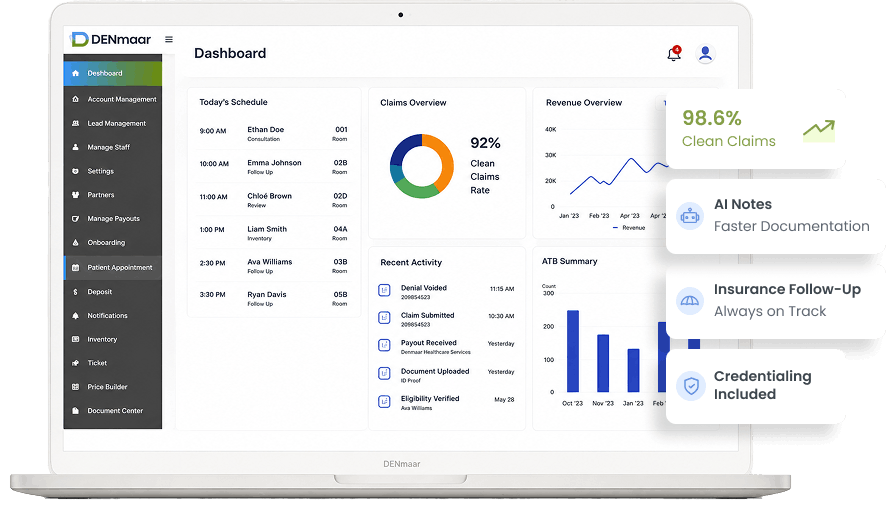
From the first patient call through scheduling, documentation, claims, and payment, DENmaar connects the work of your practice and automates routine steps.

Run your entire practice from one intelligent platform backed by behavioral health expertise.

AI-powered workflows
Behavioral health expertise
ONE INTEGRATED PLATFORM
Four Solutions. One Platform.
Everything growing behavioral healthcare organizations need to run a modern practice.
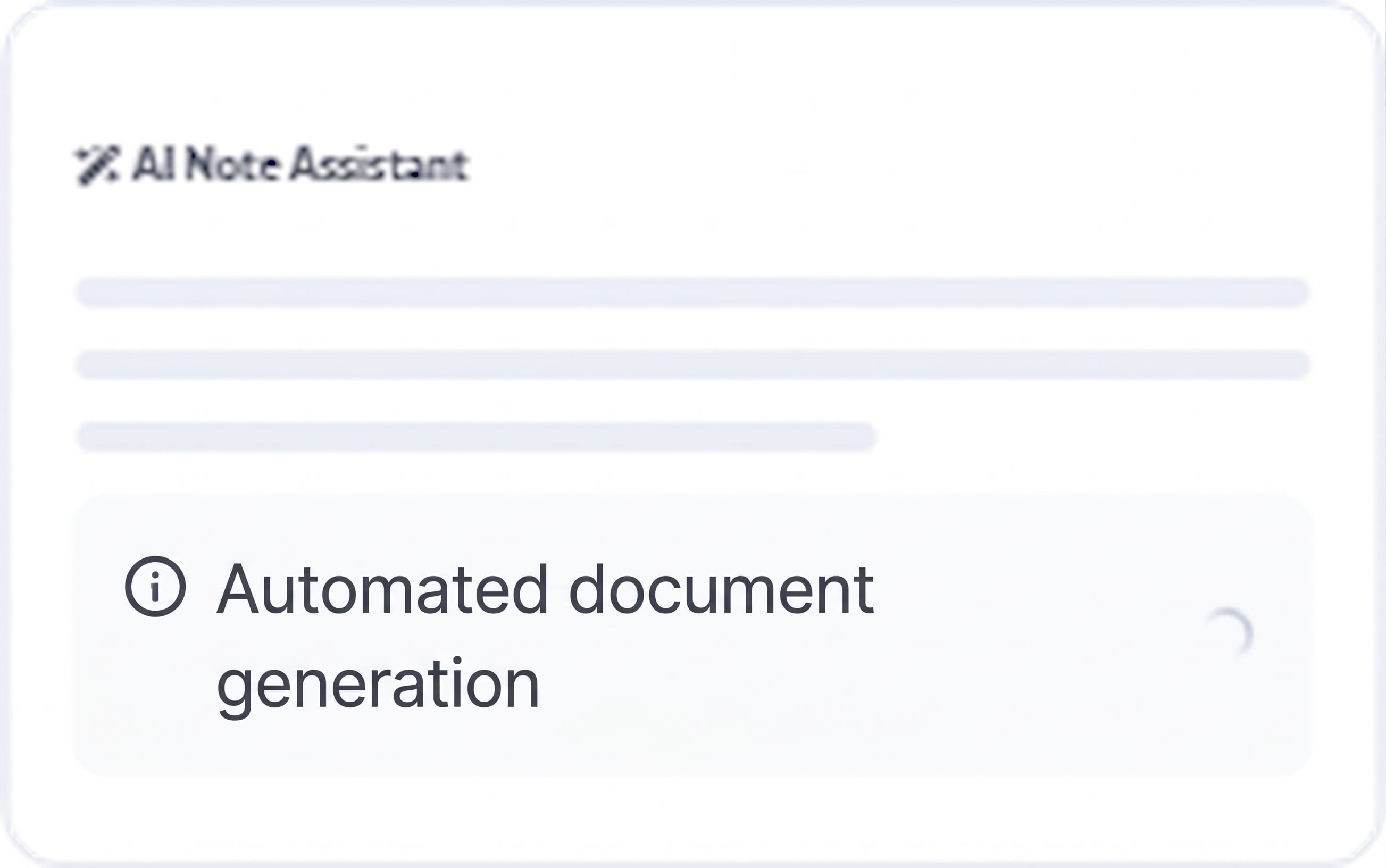
AI Clinical Documentation
Create therapy, psychiatry, group, and multidisciplinary documentation in minutes with AI designed specifically for behavioral healthcare.
Revenue Cycle Management
Professional insurance billing, payment posting, denial management, patient responsibility, eligibility verification, credentialing, and financial reporting.
More than software.
A complete revenue cycle solution.

AI Practice Automation
Administrative work should happen automatically whenever possible.
Insurance Knowledge Team
Healthcare reimbursement is constantly changing. DENmaar includes access to an expanding insurance knowledge platform built specifically for behavioral healthcare.
Get guidance on:
- Coding
- Prior authorization
- Documentation
- Claim resolution
- Medical necessity
- Credentialing
- Insurance requirements
- Best practices
Built from thousands of real-world behavioral health billing scenarios.

BUILT TO SCALE WITH YOU
Designed for Growing Practices
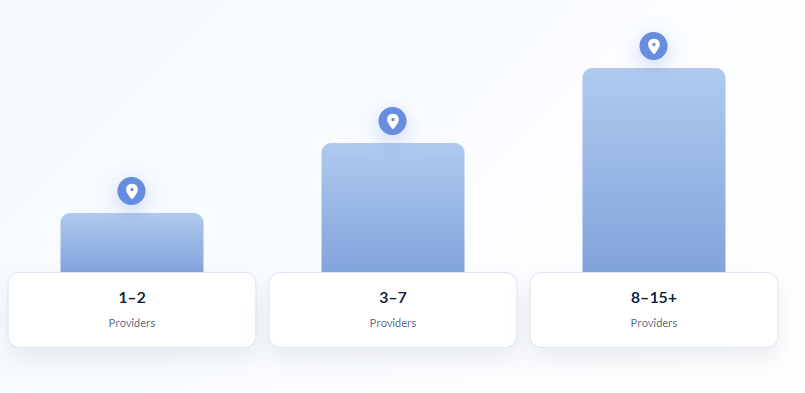
Whether you’re adding your second provider or expanding into multiple locations, DENmaar grows with your organization.
Start simple.
Get up and running quickly with the essentials.
Add capabilities
Unlock advanced features as your needs grow.
Never outgrow
A platform that scales with your vision.
THE DENMAAR DIFFERENCE
Why DENmaar?
Most vendors sell software. Others sell billing services. DENmaar combines technology, AI, revenue
cycle management, and behavioral health expertise into one integrated platform.
Most vendors sell software.
Technology without the operational expertise to connect the pieces.
Others sell billing services.
Services without the intelligent platform to automate your practice.
DENmaar combines it.
Technology, AI, revenue cycle management, and behavioral health expertise into one integrated platform.
Enterprise Capability.
Small Practice Simplicity.
Schedule Your Personalized Demo
See how DENmaar can help your practice grow with confidence.
Let’s Determine Whether There Is Operational Alignment
We begin with a discussion focused on:
- Organizational structure
- Insurance workflows
- Operational goals
- Implementation fit
Request Information
Capterra, Software Advice And Get App 2023 / 25
Best Of Badges Awarded To DENmaar
2023 / 25 “Best of” badge winners = DENmaar Neuro has earned a well-deserved Best Value Badge.
See our reviews for our software being recognized as an impactful solution for your business.





Our Latest Blogs

Why We Replaced Free Trials with a Claims Submission Pilot Program
In behavioral healthcare, selecting an EHR and billing partner is one of the most important operational decisions a practice will make.
Unfortunately, many software companies still rely on the traditional “free trial” model. Practices receive access to a system, click around for a few days, and then are expected to make a long-term decision based on limited experience.
We believe there is a better way.
At DENmaar, we replaced traditional free trials with a structured Claims Submission Pilot Program.
Why Free Trials Often Fail
The reality is that most behavioral health practices do not determine success based on whether a scheduler looks attractive or a progress note can be completed.
Success is determined by questions such as:
- Are claims being paid?
- Are providers completing documentation on time?
- Is eligibility being verified correctly?
- Are authorizations being managed effectively?
- Is insurance revenue increasing?
- Is administrative burden decreasing?
A traditional free trial rarely answers these questions.
The Purpose of a Pilot Program
A pilot allows both organizations to determine whether there is a true operational fit.
Instead of evaluating screenshots and demonstrations, practices can evaluate real workflows using real providers, real patients, and real claims.
During a DENmaar pilot, organizations gain access to:
- Behavioral health EHR workflows
- Scheduling and appointment management
- Eligibility and benefits verification
- AI-powered clinical documentation tools
- Claims submission and behavioral health revenue cycle management
- Credentialing support
- Weekly implementation and optimization meetings
The objective is simple: validate results.
Measuring Success
By the conclusion of a pilot, leadership should have clear answers to several critical questions.
Clinical Operations
- Are providers documenting efficiently?
- Are notes being completed on time?
- Is clinical compliance improving?
Revenue Cycle Performance
- Are claims submitting cleanly?
- Are rejection rates decreasing?
- Are billing workflows becoming more efficient?
Organizational Fit
- Does the platform support the organization’s long-term goals?
- Can the system scale as additional providers are added?
- Does the support model align with leadership expectations?
Not Every Organization Is a Fit
One of the most important aspects of our pilot program is qualification.
DENmaar is designed primarily for organizations that are building or operating multi-provider behavioral health practices.
Organizations that are focused on growth, operational discipline, and insurance-based care typically receive the most value from our platform.
For that reason, we do not believe every inquiry should automatically receive a pilot.
We would rather identify strong mutual fit upfront than create unrealistic expectations for either organization.
Why We Built DENmaar
DENmaar was created around a simple belief:
Behavioral health organizations should not have to choose between great software and great billing support.
Most organizations purchase software from one company, credentialing from another, billing services from a third, and then spend countless hours coordinating between them.
We chose a different approach.
DENmaar combines behavioral health technology, revenue cycle management, credentialing, eligibility verification, and operational support into a single platform designed to help organizations improve efficiency and increase insurance revenue.
Organizations looking to strengthen their behavioral health insurance billing infrastructure can learn more about the 3 pillars of successful behavioral health insurance billing.
For practices serving Medicaid populations, understanding Medicaid billing behavioral health requirements is essential for reducing denials and improving reimbursement outcomes.
Many organizations also struggle when determining payer hierarchy and coordination of benefits. Understanding when Medicaid is not primary in behavioral health billing can prevent costly claim delays and rework.
Because at the end of the day, successful behavioral health organizations need more than software.
They need systems that produce measurable results.
Interested in a Pilot?
If your organization is a multi-provider behavioral health practice seeking to improve operations, strengthen revenue cycle performance, and scale efficiently, a DENmaar Claims Submission Pilot may be the right next step.
The goal is not to evaluate software.
The goal is to validate results.
Frequently Asked Questions
What is a Claims Submission Pilot Program?
A Claims Submission Pilot Program allows behavioral health organizations to test real-world workflows, claims submission processes, eligibility verification, provider credentialing, and revenue cycle management before committing to a long-term platform.
How is a pilot different from a free trial?
A free trial typically focuses on software access. A pilot focuses on measurable operational outcomes, including clean claims rates, documentation compliance, reimbursement performance, and administrative efficiency.
Who benefits most from a DENmaar pilot?
Multi-provider behavioral health organizations, psychiatry groups, substance use treatment programs, and insurance-based practices typically receive the greatest value from a structured pilot program.
Does the pilot include Medicaid billing workflows?
Yes. The pilot is designed to support complex behavioral health reimbursement scenarios, including Medicaid billing, eligibility verification, authorization management, provider credentialing, and clean claims submission.
Why is revenue cycle management important when selecting a behavioral health EHR?
A behavioral health EHR should support documentation, scheduling, eligibility verification, claims management, and reimbursement workflows. Without integrated revenue cycle management, practices often experience denials, delayed payments, and lost revenue.
What Happens When Medicaid Isn’t Primary?
The Hidden Operational Problem Disrupting Behavioral Health Revenue
In behavioral health, one of the most common causes of claim delays, denials, and administrative confusion starts before the patient is even seen.
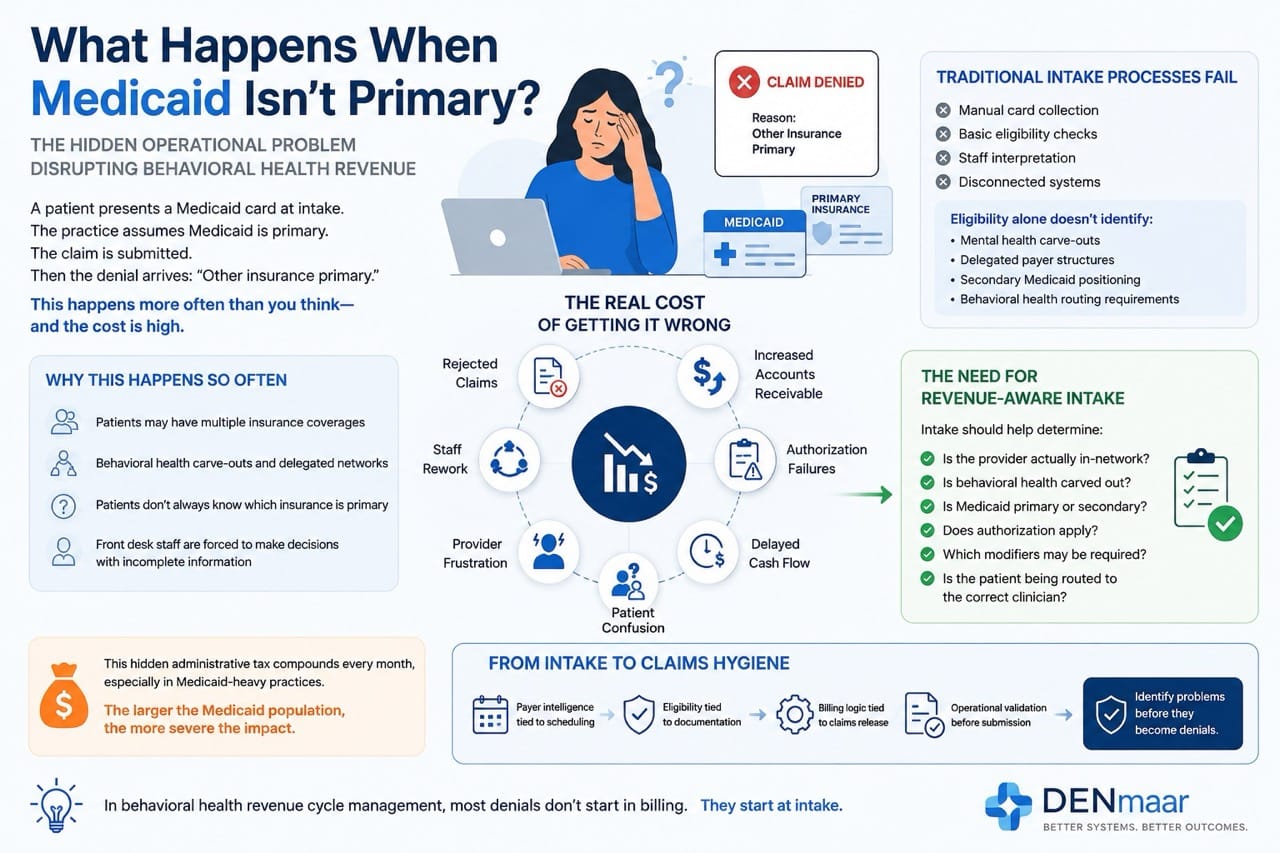
A patient presents a Medicaid card at intake.
The practice assumes Medicaid is primary.
The claim is submitted.
Then the denial arrives:
“Other insurance primary.”
This happens constantly across behavioral health organizations, especially in multidisciplinary practices serving Medicaid populations.
And in many cases, the issue is not billing staff performance.
It is a system failure.
Why This Happens So Often
Behavioral health insurance workflows are uniquely complicated because Medicaid is frequently not the true primary payer.
Patients may have:
- Employer sponsored commercial insurance
- Marketplace plans
- Medicare Advantage
- Managed Medicaid organizations (MCOs)
- Behavioral health carve outs
- Secondary Medicaid eligibility
- County or state funded programs
The challenge is that patients often do not understand:
- Which insurance is primary
- Whether behavioral health is carved out
- Whether a payer delegated services elsewhere
- Whether the provider is actually in network
Front desk teams are then forced to make operational decisions using incomplete information.
The Real Cost of Getting This Wrong
When payer hierarchy is incorrect, the impact spreads across the organization.
Common outcomes include:
- Rejected claims
- Timely filing delays
- Staff rework
- Increased accounts receivable
- Authorization failures
- Provider frustration
- Delayed cash flow
- Patient confusion
In many practices, this creates a hidden administrative tax that compounds every month.
The larger the Medicaid population, the more severe the issue becomes.
Behavioral Health Is Different
Most general healthcare systems were not designed around behavioral health payer complexity.
Behavioral health frequently involves:
- Carve out payers
- Delegated networks
- County plans
- Separate behavioral health administrators
- Program based billing
- Telehealth modifiers
- Medicaid specific requirements
- Mixed institutional and professional claims
A patient’s medical insurance card alone often does not tell the full story.
That means practices need operational workflows capable of identifying:
- The true payer pathway
- Behavioral health delegation
- Provider participation status
- Authorization requirements
- Coordination of benefits
Before claims are released.
Why Traditional Intake Processes Fail
Most intake workflows still rely on:
- Manual card collection
- Basic eligibility checks
- Staff interpretation
- Disconnected systems
But eligibility alone does not always identify:
- Mental health carve outs
- Delegated payer structures
- Secondary Medicaid positioning
- Behavioral health routing requirements
This leaves staff trying to solve payer architecture manually.
At scale, that becomes unsustainable.
The Need for Revenue Aware Intake
The future of behavioral health intake is not simply online scheduling.
It is:
Revenue aware operational intake.
That means intake systems should help determine:
- Is the provider actually in the network?
- Is behavioral health carved out?
- Is Medicaid primary or secondary?
- Does authorization apply?
- Which modifiers may be required?
- Is the patient being routed to the correct clinician?
This is where behavioral health systems must evolve beyond generic scheduling tools.
From Intake to Claims Hygiene
At DENmaar, we believe intake should connect directly into operational claims workflows.
That means:
- Payer intelligence tied to scheduling
- Eligibility tied to documentation
- Billing logic tied to claims release
- Operational validation before submission
We call this approach:
The objective is simple:
Identify problems before they become denials.
Because in behavioral health revenue cycle management, most denials do not start in billing.
They start at intake.
Organizations looking to strengthen payer validation and clean claims performance can also benefit from a behavioral health EHR platform that connects intake, documentation, eligibility, and claims workflows into a unified operational system.
Integrated AI documentation for behavioral health and AI driven claims intelligence further support clean claims behavioral health outcomes and Medicaid behavioral health reimbursement accuracy.
Final Thoughts
Behavioral health organizations do not need more disconnected software.
They need systems designed around the operational realities of behavioral healthcare reimbursement.
As Medicaid complexity continues to grow, practices that modernize intake and payer validation workflows will gain a major operational advantage:
- Fewer denials
- Faster payments
- Lower administrative burden
- Improved patient access
- Stronger financial stability
The future of behavioral health infrastructure will belong to organizations that understand one thing clearly:
Revenue integrity begins before the first appointment is scheduled.
Frequently Asked Questions
Why is Medicaid not always the primary payer?
Many patients have multiple insurance plans. Commercial insurance, Medicare, or managed care plans may be primary while Medicaid serves as a secondary payer. Proper coordination of benefits is essential to prevent claim denials.
What are behavioral health carve outs?
Behavioral health carve outs occur when mental health or substance use treatment services are administered by a separate payer, network, or organization rather than the patient’s primary medical insurer.
How do payer hierarchy errors affect behavioral health billing?
Incorrect payer hierarchy can result in rejected claims, delayed reimbursements, authorization issues, increased accounts receivable, and significant administrative rework.
What is revenue aware intake?
Revenue aware intake is an operational approach that validates payer information, behavioral health carve outs, provider participation status, authorization requirements, and billing pathways before care is delivered.
How does Claims Hygiene improve reimbursement outcomes?
Claims Hygiene identifies eligibility, documentation, payer routing, and billing issues before claims are submitted. This helps reduce denials, improve clean claim rates, and strengthen Medicaid behavioral health reimbursement performance.
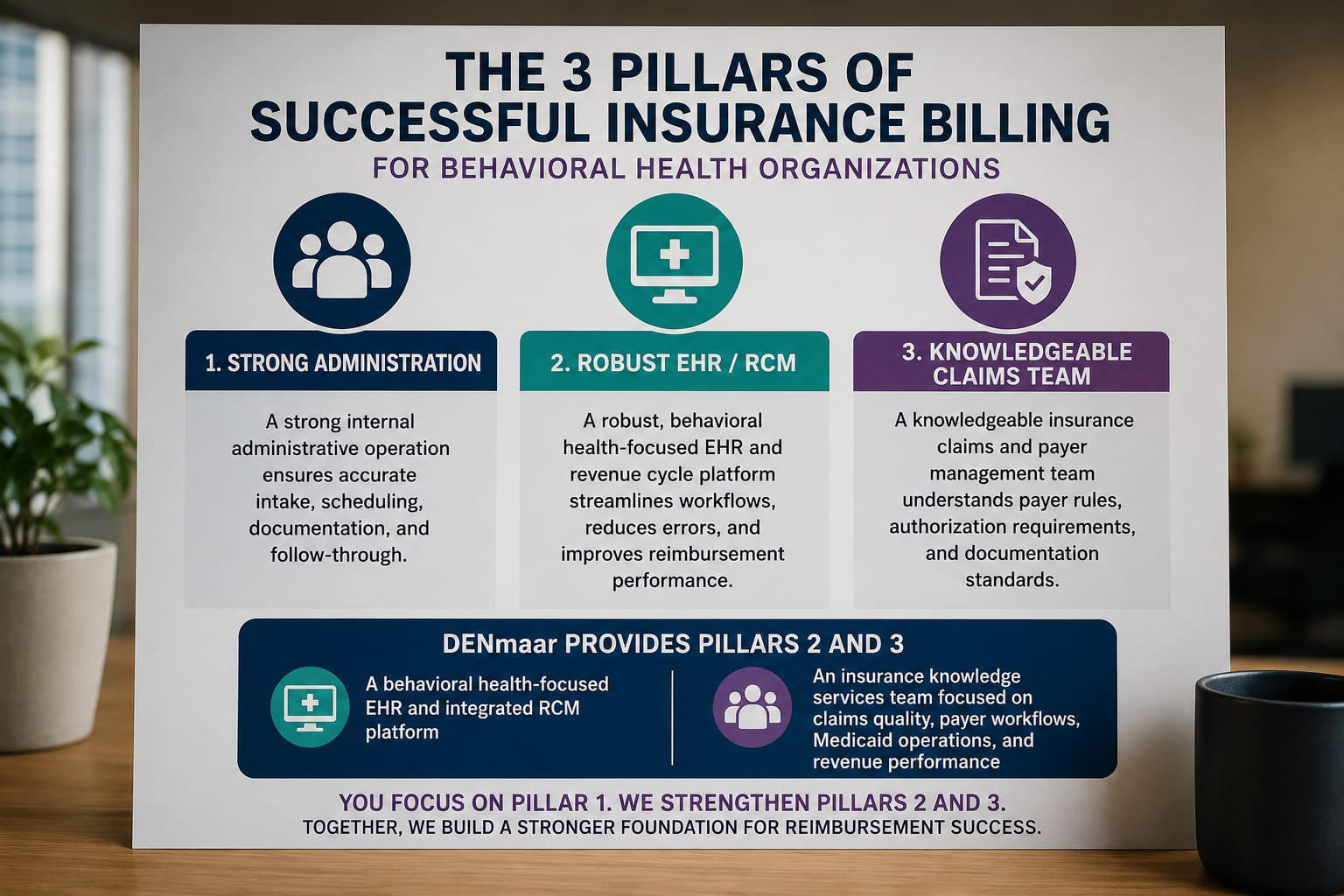
The 3 Pillars of Successful Behavioral Health Insurance Billing
The 3 pillars of successful behavioral health insurance billing:
- A strong internal administrative operation
- A robust behavioral health focused EHR and revenue cycle platform
- A knowledgeable insurance claims and payer management team
Most organizations struggle because one or more of these pillars are weak or disconnected.
DENmaar was built specifically to strengthen pillars 2 and 3.
We provide:
- A behavioral health focused EHR and integrated RCM for behavioral health platform designed around real payer complexity
- An insurance knowledge services team focused on claims quality, payer workflows, Medicaid operations, and revenue performance
This allows practices to focus on building strong clinical and administrative operations while DENmaar helps support the infrastructure behind successful insurance reimbursement.
Organizations looking to improve clean claims behavioral health performance and reduce denials can also explore our approach to claims hygiene for behavioral health billing, behavioral health billing services, and AI powered behavioral health revenue cycle management.
Integrated AI progress notes for behavioral health also help strengthen documentation quality, Medicaid behavioral health reimbursement workflows, and overall revenue cycle accuracy.
Frequently Asked Questions
What are the 3 pillars of successful behavioral health insurance billing?
The 3 pillars are strong administrative operations, a behavioral health EHR and revenue cycle platform, and an experienced insurance claims and payer management team.
Why is a behavioral health focused EHR important?
A behavioral health EHR helps organizations manage Medicaid billing behavioral health workflows, claims hygiene, documentation accuracy, and integrated revenue cycle management more effectively.
How does DENmaar support behavioral health revenue cycle management?
DENmaar combines a behavioral health focused EHR, integrated RCM for behavioral health, payer workflow expertise, and claims management infrastructure to improve reimbursement performance and reduce operational friction.
Our Partners






Ready to get started?
Feel free to reach out if you have any questions.
