

- Scheduling
- Eligibility
- Provider workflow
- Patient communication
- AI Receptionist
- Task automation
Behavioral Health Practice Operating System
Manage the Complete
Patient-to-Payment Cycle
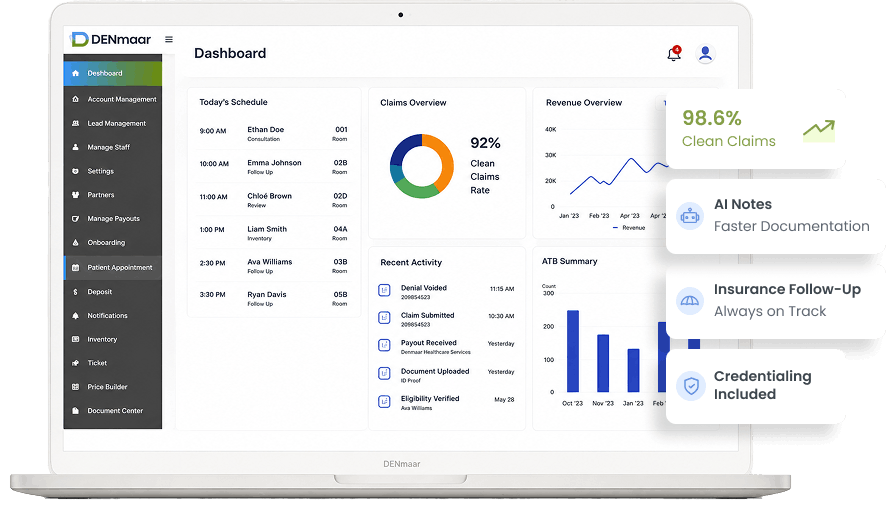
From the first patient call through scheduling, documentation, claims, and payment, DENmaar connects the work of your practice and automates routine steps.

Run your entire practice from one intelligent platform backed by behavioral health expertise.

AI-powered workflows
Behavioral health expertise
ONE INTEGRATED PLATFORM
Four Solutions. One Platform.
Everything growing behavioral healthcare organizations need to run a modern practice.
AI Clinical Documentation
Create therapy, psychiatry, group, and multidisciplinary documentation in minutes with AI designed specifically for behavioral healthcare.
Revenue Cycle Management
Professional insurance billing, payment posting, denial management, patient responsibility, eligibility verification, credentialing, and financial reporting.
More than software.
A complete revenue cycle solution.

AI Practice Automation
Administrative work should happen automatically whenever possible.
Insurance Knowledge Team
Healthcare reimbursement is constantly changing. DENmaar includes access to an expanding insurance knowledge platform built specifically for behavioral healthcare.
Get guidance on:
- Coding
- Prior authorization
- Documentation
- Claim resolution
- Medical necessity
- Credentialing
- Insurance requirements
- Best practices
Built from thousands of real-world behavioral health billing scenarios.

BUILT TO SCALE WITH YOU
Designed for Growing Practices
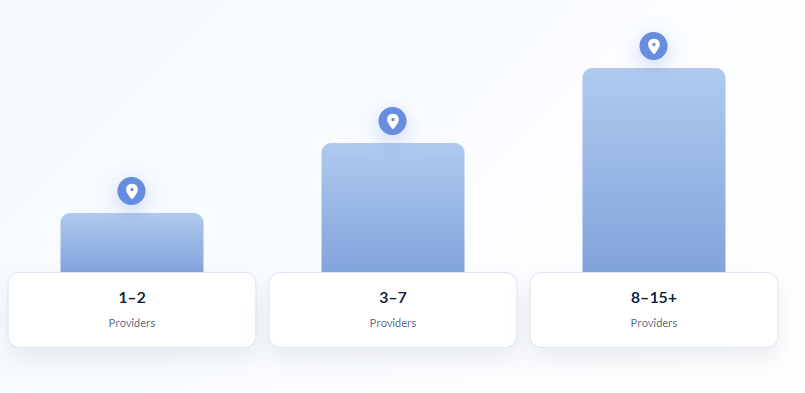
Whether you’re adding your second provider or expanding into multiple locations, DENmaar grows with your organization.
Start simple.
Get up and running quickly with the essentials.
Add capabilities
Unlock advanced features as your needs grow.
Never outgrow
A platform that scales with your vision.
THE DENMAAR DIFFERENCE
Why DENmaar?
Most vendors sell software. Others sell billing services. DENmaar combines technology, AI, revenue
cycle management, and behavioral health expertise into one integrated platform.
Most vendors sell software.
Technology without the operational expertise to connect the pieces.
Others sell billing services.
Services without the intelligent platform to automate your practice.
DENmaar combines it.
Technology, AI, revenue cycle management, and behavioral health expertise into one integrated platform.
Enterprise Capability.
Small Practice Simplicity.
Schedule Your Personalized Demo
See how DENmaar can help your practice grow with confidence.
Let’s Determine Whether There Is Operational Alignment
We begin with a discussion focused on:
- Organizational structure
- Insurance workflows
- Operational goals
- Implementation fit
Request Information
Capterra, Software Advice And Get App 2023 / 25
Best Of Badges Awarded To DENmaar
2023 / 25 “Best of” badge winners = DENmaar Neuro has earned a well-deserved Best Value Badge.
See our reviews for our software being recognized as an impactful solution for your business.





Our Latest Blogs
Benefits of Telehealth Technology for Hospitals
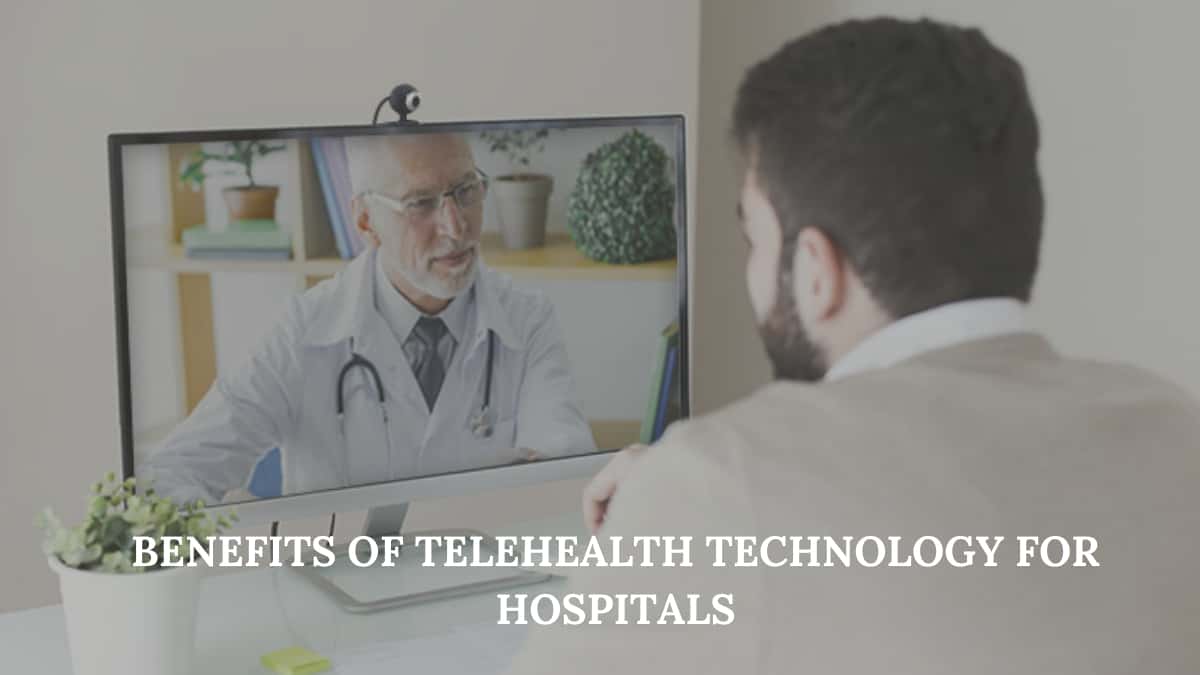
We know how important Telehealth technology has been in transforming health care. We know of the benefits it offers to both Patients and Providers alike. Some of which are as follows
- Improved Access to Healthcare
- Cutting Wait Time
- Making Health care affordable
Individuals are already taking full advantage of this revolutionary technology. They have mobile apps installed in their smartphones, and wearables on their wrist or shoulders to track their fitness. We know of the benefits that patients can have with telehealth. However, what are the benefits of telehealth on hospitals, clinics and other healthcare organizations.
In this article, we look at some of the benefits that hospitals and other healthcare organizations can enjoy by using Telehealth technology.
The many uses of Telehealth Technology on Healthcare Institutes and Organizations
Increased Revenue
Access to healthcare, for many American even today, is extremely challenging. Factors like transportation, distance to a nearby clinic etc. all play an important role in being hurdles for the proper access of healthcare. This can be even more inconvenient in cases of senior citizens or people with disabilities.
These individuals can barely make it to a clinic or hospital for proper care. However, with the help of telehealth technology, doctors and other practitioners can still schedule appointment and consult them live via a videoconferencing or live video tool. So, these individuals, who would normally have never become a part of client base, can now become your most valuable clients, thanks to Telehealth.
The same rationale applies to people who don’t have access to healthcare due to them residing in rural or remote regions. They too can be catered to with the help of telehealth technology.
Greater Visibility
It is widely estimated that most people prefer telehealth over physical visits. According to a study done by American Well, it was found that over 65 percent of patients want to see their doctors over video.
The rendering of virtual visits, mHealth apps, and remote patient monitoring solutions, a healthcare organization can attract positive media attention. Positive media attention, then eventually leads to new clients.
Reducing Readmissions
Telehealth technology like RPM solutions can help keep tabs on patients who are considered high-risk. With the help of real-time patient data being provided by this technology, care teams can act immediately before the patient’s condition worsens.
Hospitals are always seeking reduced readmission rates, more satisfied customers and avoiding penalties for subpar healthcare. A robust telehealth technology can help you accomplish that.
Increasing Productivity
Hospitals and Healthcare institutes are busy places. As such doctors and nurses have a lot on their plate, and are constantly on their toes. Telehealth, by imbuing efficiency into the overall functioning of a hospital helps in boosting the productivity of their staff.
Telehealth helps patients schedule their own appointments, which means this burden is alleviated from the shoulders of the staff. Mobile communication also enables staff to collaborate effectively with each other. With so many mundane tasks taken care of, the staff can focus better on their patients.
Better training
The science of medicine undergoes perpetual evolution. As such, people who practice medicine need to be constantly educated and informed of the developments in the world of healthcare. However, this can be very expensive. Some training programs charge exorbitantly high registration fees.
Thankfully, video conferencing technology today can help physicians attend training sessions remotely from the comfort of their own abode, without spending a ton of money. Virtual reality training solutions are also becoming very popular nowadays. They allow physicians to observe recorded surgeries from multiple angles and undergo simulation that offer hands-on experience to learn new techniques and procedures.
DENmaar’s TeleHealth Services
At DENmaar, our telehealth solution offers both patients and providers with a communication technology that allows the access and management of health care services from homes of patients or the practices of doctors. This tele-conferencing feature allows practitioners to attend to their patients, on their computer screens, where-in they can consult and serve their clients without having to make them wait in their clinics or making them transit long distances.
All you have to do to access our feature, whether you are a provider or patient, is to sign up to our app and avail our telepsych feature.
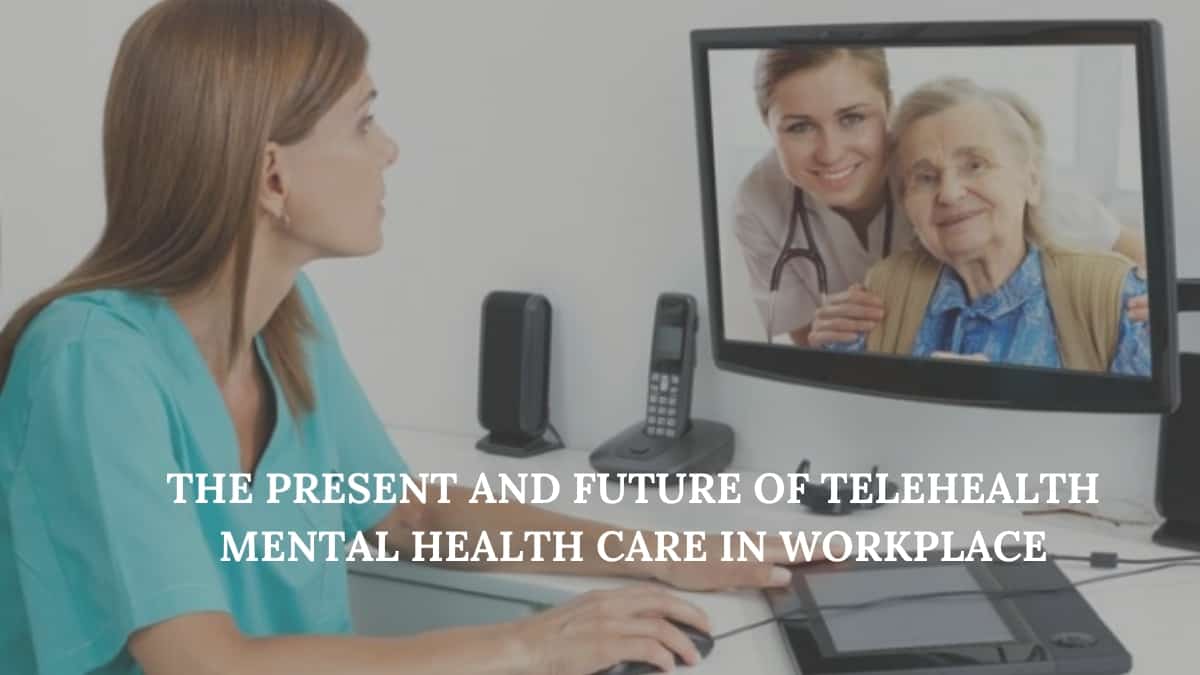
The Present and Future of Telehealth Mental Health Care in the Workplace
The ongoing coronavirus crisis has already galvanized people into self-isolation. The isolation has already resulted in great stress among individuals across the US. Over 16 million Americans are estimated to be suffering from some form of depression; this number is likely to go up as the pandemic wreaks havoc on the streets.
As a result, many workers today are relegating to their employer provided mental health plans, widely encouraged by the employers themselves. They have realized the gravity of the disruption caused on their employee’s normal way of life, and how it can lead to unfathomable stress. There has also been a significant increase in the number of therapy sessions.
Telehealth in Workplace
Telehealth Mental health platforms like Ginger have noticed a rise in their user base as well. This shows that employees are now turning to telehealth technology to find reprieve from their mental health problems. Glass – a company that deploys their tool to help users find behavioral health practitioners have reported a 25% increase in their client base. Modern health – a virtual mental health app, on the other hand, has reported a 50 % increase in their user base.
Headspace, a popular meditation app has also found a substantial increase in their users. They say that meditation on their app has become 13 times more often than any previous month. Headspace’s user base is mostly filled with Google and LinkedIn employees. Taking advantage of this opportunity, they have proceeded to create a free content hub to provide guided meditation and mental health exercises as the global lockdown continues.
So as you can see, many telehealth apps are experiencing feats of success that they never dreamed of achieving. Addressing mental health has become a priority amongst businesses, who really want their employees to sail through these troubled seas without any problems whatsoever. Employees too, are relying on the available technology and programs in unprecedented numbers. Although mental health program existed before the pandemic hit, it had never been as popular as it is now.
Many Employers are actively encouraging users to take advantage of the EAP resources at the disposal of their employees. It is in times of such anxiety and uncertainty that behavioral health practitioners like counselors and psychiatrists are needed. However, with social distancing in effect, it is impossible to attend therapy sessions. This is precisely why Telehealth has come out as such a champion.
Employers understand how crucial their staff’s mental health is. In times where conference, meetings and other office practices have halted, mental health care has become a need of the hour for employees to maintain their productivity.
It is estimated that people with mental health issues report 20% drop in their productivity. Companies have no choice but to think about the safety and wellbeing of their employees. Apart from work, the desire for some form of human connection has also lead to such technology gaining momentum, thus helping users connect with their loved ones.
The Future of Telehealth Mental Health Care
Many epidemiologists have delivered warning signs of a yearlong fight with the novel coronavirus. In other words the virus is here to stay. In such a scenario, the work cannot be halted for an extended period of time. People will need to learn how to live with the crisis, and as a result people will need constant counseling. Thankfully, telehealth has never as advanced as it is today. With telehealth, you can rest assured your bread and butter continues while taking care of your mental health. Yes, the virus is here to stay, but so is the omniscient presence of telehealth.
DENmaar’s TeleHealth Services
At DENmaar, our telehealth solution offers both patients and providers with a communication technology that allows the access and management of health care services from homes of patients or the practices of doctors. This tele-conferencing feature allows practitioners to attend to their patients, on their computer screens, where-in they can consult and serve their clients without having to make them wait in their clinics or making them transit long distances.
All you have to do to access our feature, whether you are a provider or patient, is to sign up to our app and avail our telepsych feature.
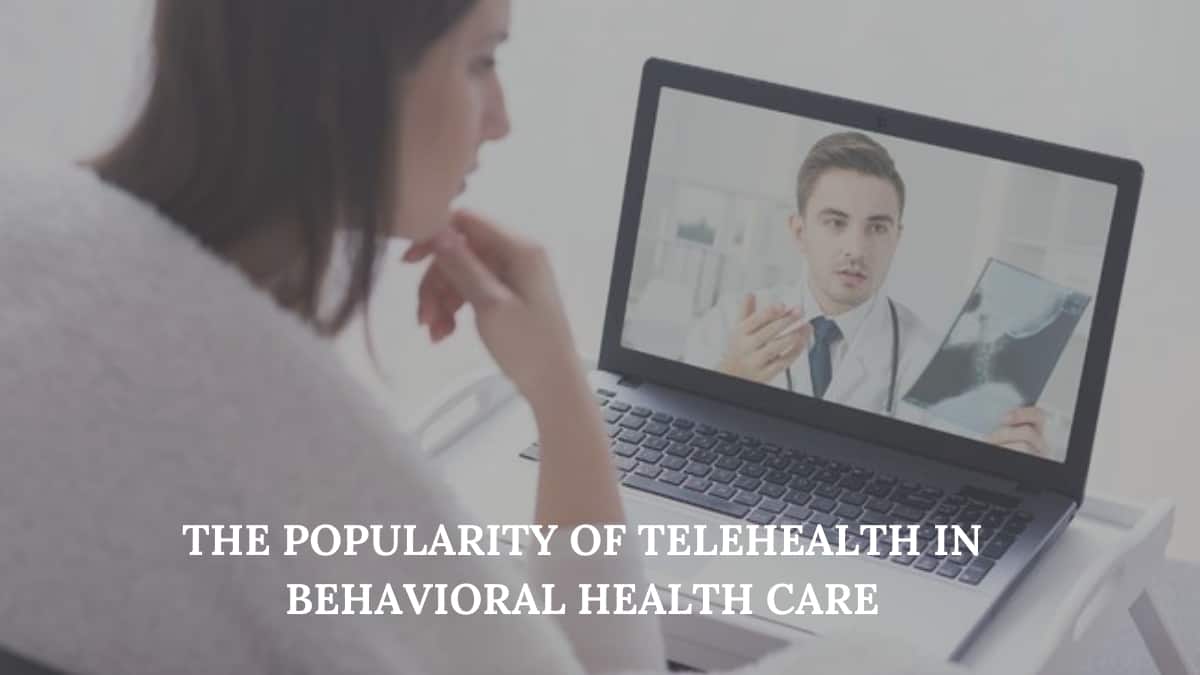
The Popularity of Telehealth in Behavioral Health Care
We’ve come a long way since the early days of telehealth. With constant advancements, innovations, and updates in technology, Telehealth has become relatively potent as opposed to its beginning years. Its relevance has been proven even more fundamental, owing to the current pandemic.
Read More: How to Expand Private Practice Using Telemedicine
Almost all healthcare practices, organizations, and professionals are now implementing technology to not only provide consistent care to their clients but also ensure their practice remains open for business. This is especially true for the behavioral health care sector as well. The implementation of Telehealth in Behavioral health has made mental health care better, more cost-effective, and less stigmatized.
Telehealth’s major selling point has always been its accessibility. It can be a tool that transcends socio-geographical barriers to ensure better care is delivered on time whenever needed. Rural areas have greatly benefited from Telehealth.
How is Telehealth used in Behavioral Health?
Most behavioral health practices are aligned with psychiatry, counseling, and cognitive tests, there is barely any physical involvement in the rendering of behavioral health care. As such Telehealth and behavioral health go hand in hand. Behavioral professionals can still deliver efficient care via a mobile device with the help of telehealth.
Moreover, treating mental health with telehealth is easier, and cheaper as treatment is rendered in a virtual ambiance. There is also a stigma around mental health treatment, which dissuades many individuals from coming forward with their woes. It is estimated that about 42 million Americans have anxiety disorders, and at least 16 million are suffering from some form of depression. Telehealth, by providing a virtual incentive, helps patients get proper mental health care comfortably.
There are multiple research materials claiming that mental health issues come with medical comorbidity. For individuals who deal with multiple conditions like hypertension and depression at the same time, they can get the answers to their queries from a single virtual point, thus allowing for better access to care.
There are other incentives to telehealth as well. Patients no longer have to wait in long lines with patients who might carry contagious flu, which is one of the reasons why telehealth’s stock is up nowadays. There is also no long-distance travel, especially for residents of rural regions. There was a time when rural residents had to traverse on overnight journeys just to see a doctor. Telehealth has changed that.
The adoption of telehealth is already showing results in the behavioral space. According to the popular telehealth service Teladoc’s own research, practitioners have seen an impressive improvement in the mental health of their clients using telehealth. They have reported a 32% reduction in depression symptoms, a 31% reduction in anxiety, and a 20 percent reduction in stress.
DENmaar’s TeleHealth & Medical Billing Services
At DENmaar, our telehealth solution offers both patients and providers with a communication technology that allows the access and management of health care services from homes of patients or the practices of doctors. This teleconferencing feature allows practitioners to attend to their patients, on their computer screens, where-in they can consult and serve their clients without having to make them wait in their clinics or making them transit long distances.
All you have to do to access our feature, whether you are a provider or patient, is to sign up to our app and avail our telepsych feature.
Our Partners






Ready to get started?
Feel free to reach out if you have any questions.
