

- Scheduling
- Eligibility
- Provider workflow
- Patient communication
- AI Receptionist
- Task automation
Behavioral Health Practice Operating System
Manage the Complete
Patient-to-Payment Cycle
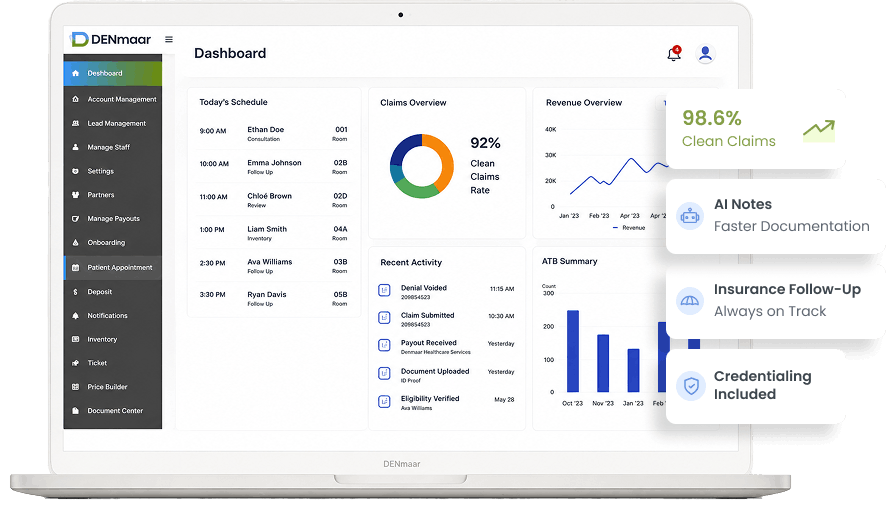
From the first patient call through scheduling, documentation, claims, and payment, DENmaar connects the work of your practice and automates routine steps.

Run your entire practice from one intelligent platform backed by behavioral health expertise.

AI-powered workflows
Behavioral health expertise
ONE INTEGRATED PLATFORM
Four Solutions. One Platform.
Everything growing behavioral healthcare organizations need to run a modern practice.
AI Clinical Documentation
Create therapy, psychiatry, group, and multidisciplinary documentation in minutes with AI designed specifically for behavioral healthcare.
Revenue Cycle Management
Professional insurance billing, payment posting, denial management, patient responsibility, eligibility verification, credentialing, and financial reporting.
More than software.
A complete revenue cycle solution.

AI Practice Automation
Administrative work should happen automatically whenever possible.
Insurance Knowledge Team
Healthcare reimbursement is constantly changing. DENmaar includes access to an expanding insurance knowledge platform built specifically for behavioral healthcare.
Get guidance on:
- Coding
- Prior authorization
- Documentation
- Claim resolution
- Medical necessity
- Credentialing
- Insurance requirements
- Best practices
Built from thousands of real-world behavioral health billing scenarios.

BUILT TO SCALE WITH YOU
Designed for Growing Practices
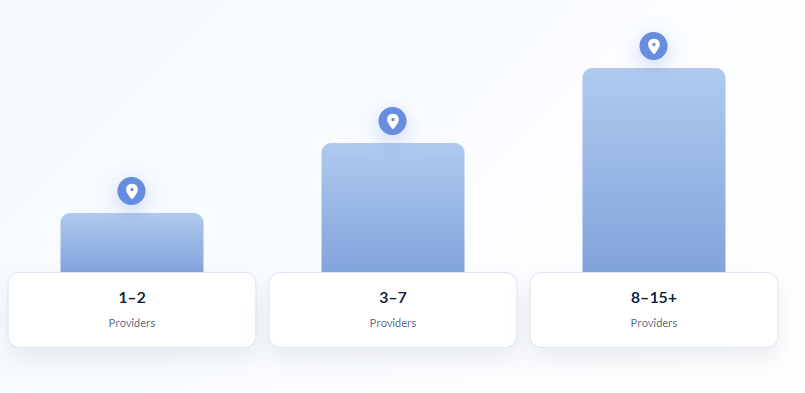
Whether you’re adding your second provider or expanding into multiple locations, DENmaar grows with your organization.
Start simple.
Get up and running quickly with the essentials.
Add capabilities
Unlock advanced features as your needs grow.
Never outgrow
A platform that scales with your vision.
THE DENMAAR DIFFERENCE
Why DENmaar?
Most vendors sell software. Others sell billing services. DENmaar combines technology, AI, revenue
cycle management, and behavioral health expertise into one integrated platform.
Most vendors sell software.
Technology without the operational expertise to connect the pieces.
Others sell billing services.
Services without the intelligent platform to automate your practice.
DENmaar combines it.
Technology, AI, revenue cycle management, and behavioral health expertise into one integrated platform.
Enterprise Capability.
Small Practice Simplicity.
Schedule Your Personalized Demo
See how DENmaar can help your practice grow with confidence.
Let’s Determine Whether There Is Operational Alignment
We begin with a discussion focused on:
- Organizational structure
- Insurance workflows
- Operational goals
- Implementation fit
Request Information
Capterra, Software Advice And Get App 2023 / 25
Best Of Badges Awarded To DENmaar
2023 / 25 “Best of” badge winners = DENmaar Neuro has earned a well-deserved Best Value Badge.
See our reviews for our software being recognized as an impactful solution for your business.





Our Latest Blogs

Why Does Patient Scheduling Needs An Upgrade?
Healthcare providers can take these necessary actions for the patients in scheduling appointments.
Patients always look for convenient and flexible access to healthcare, and for many, this means looking for self-care options. In addition, healthcare approaches influence digital experiences in other industries, including hospitality and travel, in many ways.
For example, self-scheduling bypasses common barriers to access, such as working hours and waiting times. In addition, by enabling patients to schedule their services, physicians build commitment, which has been shown to bridge the gap in care.
The experience of digital patient participation has evolved significantly during the Covid-19 pandemic. With asynchronous symptom screening tools that can be deployed with the help of cloud-based platforms like DENmaar, the care experience can start online quickly. Moreover, the patient’s scheduling is particularly strong during the vaccination process.
When the COVID-19 vaccine became available in late 2020, thousands of people were at risk of overwhelming the health system due to the need to vaccinate quickly and efficiently. The automated self-scheduling process reduced the burden on healthcare workers and enabled patients to choose visits for themselves, allowing healthcare workers to focus on other priorities.
According to a study, about 80 percent of patients prefer doctors who offer online scheduling. Also, a 2019 survey found that 70 percent of patients said they would choose providers who would send emails or texts to take preventive or follow-up care.
Healthcare systems need to evaluate their scheduling options to avoid long waiting times and poor patient experiences because it can affect their ability to attract new patients and retain existing patients. Moreover, patients and staff will benefit from investing in better digital solutions, such as scheduling options.
While making scheduling more straightforward and accessible for patients will help fill out calendars, canceling appointments and no-shows can create vacancies at the back-end of the scheduling process. Patients cancel or miss medical visits for various reasons, but good patient participation strategies can help providers move forward and keep up with the scheduling software.
Here are the top four reasons why patients cancel medical visits and what providers can do to address these issues:
1. Anxiety before an appointment due to unknown fears
For many, the fear and apprehension of seeing a doctor can cause visits to be avoided, delayed, or cancelled. Patients fear the bad news, are reprimanded for postponing treatment, and are uncertain about their financial responsibility. Patients may wait for the visit to avoid a blood test or some tests and procedures. Concerns about exposure to Covid-19 have also increased over the past year, resulting in more patients postponing care or cancelling visits.
Helping patients understand what to expect during their visit helps reduce the fear. In addition, offering virtual care services such as video visits and remote patient monitoring is an excellent option for patients in times of global health crisis.
2. Concerns about high financial costs
Out-of-pocket expenses and employer deductions are higher than usual. According to a poll, many say they do not receive the medical care they need because of the cost. Twenty-two percent of those surveyed stopped treating a severe condition because of the cost.
Helping patients understand their financial responsibilities and educating them about payment plans and their financial options can help reduce cancellations. In addition, using automated digital recording and recording software can help medical office staff gather information about early payments on a patient’s journey and help them have a better conversation about financial resources and responsibilities before a visit.
3. No convenient schedule
Studies show that people work longer hours per week. Challenging work schedules, family lifestyles, and personal commitments make it difficult for some to prioritize their health. When the consequences of taking a break from a workday to see a doctor seem more severe than a health problem, it is easier for patients to prioritize meetings and tasks than their scheduled doctor’s visit, especially if they are not seriously ill.
The availability of flexible scheduling options and virtual care can play a role in helping patients prioritize their health, even in their busy schedules. Also, updated integrations in EHR with video conferencing tools can enable seamless and secure digital encounters for patients.
4. Unavailability of appointment
Increased queues and waiting times can significantly affect cancellation rates. Sick patients, frustrated by waiting so long for an appointment, are more likely to have it cancelled and taken care of in an emergency or retail clinic.
Keeping a small percentage of appointments for daily visits and offering virtual care to visually impaired patients make’s it easier for patients to remain loyal to their known providers and reduces the likelihood of intermittent care elsewhere. Automated waiting list software can help medical offices fill out cancelled visits of patients expecting an early visit. Features that allow patients to schedule for several weeks or even months can help keep patients well and promote a good schedule.
Expecting and working with patient barriers can help providers build a system that works for patients and lead to better financial, operational, and clinical outcomes. When appointment scheduling revolves around patient access and convenience, healthcare providers and staff also reap the benefits of efficient processing.
Who can take care of your patient scheduling?
The DENmaar Scheduler offers several key features that you should look for when analyzing the quality of a patient scheduling system. The DENmaar schedule may be available to operating staff, but they may not have access to the patient’s complete medical information. This feature helps reduce the risk of any privacy and security breaches.
DENmaar Scheduler is a one-click system for adding, removing, or editing visits, thus reducing the possibility of human error.
Since DENmaar scheduler providers have remote access to their patient portal schedule, it is helpful for them to adjust visits or availability as needed.

How to Handle Claim Denials and Maximize your Reimbursements
Medical billing claim denials are one of the biggest challenges healthcare providers face today. Frequent denied claims can delay payments, reduce cash flow, and negatively impact the financial performance of healthcare practices.
Effective denial management is essential for maintaining a healthy revenue cycle and ensuring healthcare organizations receive accurate reimbursements for the services they provide.
In this guide, we’ll explain the most common causes of claim denials, strategies to reduce them, and how healthcare providers can improve reimbursement rates through efficient medical billing practices.
What Is a Claim Denial in Medical Billing
A claim denial occurs when an insurance company refuses to process or pay a submitted medical claim. Denials can happen for multiple reasons, including incorrect patient information, coding errors, eligibility issues, or missing documentation.
If not addressed quickly, claim denials can create significant financial losses for healthcare providers and disrupt revenue cycle management.
Common Reasons for Claim Denials
Missing or Incorrect Patient Information
Errors in patient demographics, insurance details, or documentation often lead to denied claims.
Eligibility Verification Issues
Claims may be denied if the patient’s insurance eligibility or coverage details are not verified before treatment.
Incorrect Medical Coding
Using inaccurate CPT, ICD 10, or HCPCS codes can result in claim rejection or payment delays.
Duplicate Claims Submission
Submitting the same claim multiple times can trigger denial from insurance providers.
Non Covered Services
Insurance companies may deny claims for services that are not included in the patient’s coverage plan.
Delayed Claim Submission
Missing payer deadlines for filing claims can lead to automatic denials.
Lack of Medical Necessity
Claims may be denied if the insurance provider believes the treatment or procedure was not medically necessary.
How to Reduce Claim Denials and Improve Reimbursements
Build a Strong Denial Management Process
Healthcare organizations should establish a dedicated denial management workflow to identify, analyze, and resolve denied claims efficiently.
A specialized team can review denials, submit appeals promptly, and identify recurring billing issues that affect reimbursements.
Identify the Root Cause of Denials
Tracking and categorizing claim denials helps practices understand recurring issues and improve billing accuracy.
Common denial categories may include:
- Coding errors
- Missing documentation
- Eligibility issues
- Authorization problems
- Timely filing errors
By identifying patterns, healthcare providers can improve internal billing processes and reduce future denials.
Verify Insurance Eligibility Before Service
Eligibility verification is one of the most effective ways to reduce claim denials. Providers should confirm insurance coverage, co-pays, deductibles, and authorization requirements before patient appointments.
Submit Appeals Quickly
Denied claims should be reviewed and appealed immediately. Delays in resubmission can result in permanent claim rejection and lost revenue.
A fast response improves the chances of successful reimbursement recovery.
Monitor Revenue Cycle Performance
Healthcare providers should regularly analyze denial trends, reimbursement rates, and billing efficiency through financial reporting and revenue cycle monitoring.
Visual reports and dashboards help identify weaknesses in the billing process and support data driven improvements.
Benefits of Outsourcing Medical Billing Services
Outsourcing medical billing and denial management can significantly reduce administrative burden for healthcare organizations.
Professional billing partners help practices by:
- Improving claim accuracy
- Reducing denial rates
- Managing appeals and follow ups
- Ensuring compliance with payer requirements
- Optimizing revenue cycle management
This allows healthcare providers to focus more on patient care while improving financial performance.
Best Practices for Preventing Claim Denials
Healthcare providers can reduce denials by implementing these best practices:
- Verify patient insurance before appointments
- Submit claims accurately and on time
- Train staff on medical coding updates
- Maintain complete patient documentation
- Monitor billing performance regularly
- Use modern EHR and medical billing systems
- Stay updated on payer policy changes
Conclusion
Claim denials can create major financial challenges for healthcare organizations, but proactive denial management strategies can significantly improve reimbursement outcomes.
By verifying patient eligibility, improving coding accuracy, monitoring billing performance, and using reliable healthcare technology solutions, providers can reduce denied claims and strengthen their revenue cycle management process.
Partnering with experienced medical billing professionals can further simplify denial management and help practices maximize reimbursements efficiently.
Frequently Asked Questions
What causes medical claim denials?
Medical claim denials are commonly caused by coding errors, missing documentation, incorrect patient information, eligibility issues, and delayed claim submissions.
How can healthcare providers reduce claim denials?
Providers can reduce denials by verifying insurance eligibility, improving coding accuracy, submitting claims on time, and monitoring denial trends regularly.
What is denial management in healthcare?
Denial management is the process of identifying, analyzing, correcting, and appealing denied insurance claims to recover reimbursements.
Why is eligibility verification important in medical billing?
Eligibility verification confirms insurance coverage before treatment, reducing the risk of denied claims and payment delays.
Can outsourcing medical billing improve reimbursements?
Yes, outsourcing medical billing services can improve claim accuracy, reduce denials, speed up reimbursements, and optimize revenue cycle management.

How to Expand Private Practice with Telemedicine
Telemedicine has transformed the healthcare industry by making medical and behavioral health services more accessible, efficient, and convenient. During the COVID 19 pandemic, virtual healthcare became essential for millions of patients who needed safe access to medical care while maintaining social distancing protocols.
Today, telemedicine continues to play a major role in modern healthcare delivery. From mental health counseling to remote patient monitoring, private practices can significantly improve patient engagement, expand their reach, and increase operational efficiency by adopting secure telehealth solutions.
What Is Telemedicine
Telemedicine allows healthcare providers to deliver medical and behavioral health services remotely using secure video conferencing, phone calls, and digital communication platforms.
It enables patients to connect with doctors, therapists, psychiatrists, and healthcare professionals without visiting a physical clinic.
According to industry reports, virtual healthcare adoption has continued to grow rapidly, making telemedicine a valuable long term investment for private practices.
Benefits of Telemedicine for Private Practices
Increased Patient Convenience
Patients can attend appointments from their homes without spending time traveling or waiting in crowded clinics. This improves appointment attendance and patient satisfaction.
Expanded Access to Healthcare
Telemedicine allows providers to reach patients in rural and underserved communities where access to healthcare services may be limited.
Improved Behavioral Health Access
Virtual care has significantly improved access to mental health and behavioral health services, especially for patients who prefer remote therapy sessions.
Reduced Operational Costs
Telemedicine can reduce administrative overhead, optimize scheduling, and improve workflow efficiency for healthcare providers.
Better Patient Monitoring
Remote monitoring tools help providers track patient progress and maintain consistent communication between visits.
Faster Appointment Scheduling
Virtual consultations offer more flexible scheduling options, helping practices accommodate more patients efficiently.
How Private Practices Can Successfully Adopt Telemedicine
Ensure HIPAA Compliance
Security and patient privacy should be the top priority when implementing telemedicine services. Healthcare providers must use HIPAA compliant telehealth platforms that protect patient data and ensure secure communication.
Free video conferencing tools may not provide the necessary healthcare compliance standards required for medical practices.
Explore secure and HIPAA compliant telehealth solutions for modern healthcare practices.
Partner With an Experienced Telehealth Provider
Most private practices do not have the in house resources needed to develop a secure telemedicine platform. Partnering with an experienced healthcare technology provider can simplify implementation and improve efficiency.
Learn how our behavioral health technology solutions support healthcare providers and virtual care delivery
Test the Platform Before Launch
Before offering virtual care services to patients, practices should thoroughly test the telemedicine platform to identify technical issues, improve usability, and ensure smooth communication between providers and patients.
Testing helps practices deliver a better patient experience and avoid disruptions during virtual appointments.
Why Telemedicine Is Essential for Behavioral Health Practices
Behavioral health providers have seen significant improvements in patient accessibility through telemedicine. Virtual therapy and psychiatric consultations make it easier for patients to receive care consistently, especially those dealing with anxiety, depression, or transportation challenges.
Telehealth also supports continuity of care by enabling regular follow up appointments and flexible scheduling.
How DENmaar Supports Telemedicine Growth
DENmaar provides secure and efficient telehealth solutions designed specifically for healthcare and behavioral health providers. Our platform simplifies virtual care delivery while ensuring compliance, security, and ease of use.
The system enables providers to conduct teletherapy sessions, manage patient communication, and streamline healthcare operations through an integrated digital platform.
Frequently Asked Questions
What is telemedicine in healthcare?
Telemedicine is the delivery of healthcare services remotely through secure video calls, phone consultations, and digital communication platforms.
How does telemedicine help private practices?
Telemedicine helps private practices improve patient access, reduce operational costs, increase appointment flexibility, and enhance patient engagement.
Is telemedicine secure for patient care?
Yes, HIPAA compliant telemedicine platforms are designed to protect patient privacy and ensure secure communication between providers and patients.
Why is telemedicine important for behavioral health?
Telemedicine improves access to therapy and psychiatric services, allowing patients to receive consistent care remotely and conveniently.
Can telemedicine improve patient satisfaction?
Yes, virtual healthcare appointments reduce travel time, eliminate long wait times, and provide more convenient scheduling options for patients.
Our Partners






Ready to get started?
Feel free to reach out if you have any questions.
