

Reduce payer friction, improve billing workflows, and support stronger reimbursement performance with behavioral-health-focused insurance knowledge built into the DENmaar platform.
Insurance Knowledge Team
Technology Alone
Doesn't Get Claims Paid.
Knowledge Does
Behavioral health reimbursement is constantly changing. Payer rules, modifiers, priorauthorizations, telehealth requirements, documentation standards, and state-specific billing policies create challenges that software alone cannot solve. DENmaar combines technology with a dedicated Insurance Knowledge Team focused exclusively on behavioral health reimbursement.

Behavioral Health Reimbursement Expertise

Operational support beyond software

Shared knowledge that strengthens outcomes

Built Specifically for Behavioral Health
Reimbursement support that understands
behavioral health complexity.
Our team works alongside providers and billing staff to navigate payer requirements, resolve
reimbursement issues, and continuously improve billing outcomes

Behavioral Health Expertise
Our team specializes exclusively
in behavioral health reimbursement
across all payer types.
in behavioral health reimbursement
across all payer types.

Payer Intelligence
Our team specializes exclusively
in behavioral health reimbursement
across all payer types.
in behavioral health reimbursement
across all payer types.

Continuous Research
Our team specializes exclusively
in behavioral health reimbursement
across all payer types.
in behavioral health reimbursement
across all payer types.

Better Reimbursement
Our team specializes exclusively
in behavioral health reimbursement
across all payer types.
in behavioral health reimbursement
across all payer types.
AREAS OF EXPERTISE

Commercial Insurance

Medicaid managed care

Medicare

Telehealth Billing

Prior Authorizations

Denial Management

Credentialing Support

Documentation Requirements

Behavioral Health Coding
How the Insurance Knowledge Team Works
A practical reimbursement support model that
turns payer complexity into operational clarity.
Every reimbursement issue becomes an opportunity to improve claim outcomes, strengthen workflows,
and make the DENmaar platform smarter over time.
1
Identify barriers
We identify reimbursement
challenges and payer roadblocks.
challenges and payer roadblocks.
2
Research Requirements
We research payer-specific requirements, rules, and policy updates.
3
Develop Strategy
We develop effective resolution strategies and best practices.
4
Share Knowledge
We share insights across the organization and client community.
5
Improve Workflows
We improve workflows to prevent recurring issues and denials.
6
Support Providers
We support providers
and billing teams every step of the way.
and billing teams every step of the way.
Knowledge That Improves the Entire Platform
Every reimbursement issue creates intelligence that strengthens future billing performance.
Every payer issue, denial pattern, workflow challenge, and reimbursement insight contributes to improving the DENmaar platform. The result is a continuously evolving system that becomes smarter over time—not just for one claim, but across operational billing workflows.

Payer issue patterns
Track the recurring payer requirements and billing obstacles that repeatedly affect reimbursement outcomes.

Denial insight loops
Use denial and follow-up experience to improve resolution quality and reduce repeat claim friction.

Workflow refinement
Translate reimbursement knowledge into better operational workflows tied to billing readiness and claim quality.

Shared organizational learning
Knowledge gained through real payer interactions can inform future reimbursement decisions across teams and clients.
Support for Multidisciplinary Organizations
Insurance knowledge support across the services and programs behavioral health organizations actually run.
DENmaar’s Insurance Knowledge Team supports organizations across outpatient therapy, psychiatry, substance use treatment, intensive programs, community behavioral health, and multidisciplinary care environments.

Therapy Practices
Medication Management
Substance Use Treatment Providers
IOP & PHP Programs
Community Behavioral Health Organizations
Multidisciplinary Practices
Why Organizations Choose DENmaar
Technology-supported workflows backed by real reimbursement knowledge.
DENmaar combines behavioral health specialization, reimbursement research, payer insight, and operational workflow support to help organizations improve billing accuracy and financial performance.

Behavioral health specialization
Real-world payer expertise
Continuous reimbursement research
Technology-supported workflows
Shared knowledge across client organizations
Focus on reimbursement accuracy
Request an Insurance Workflow Review
Discover how DENmaar’s Insurance Knowledge Team can strengthen reimbursement operations.
Request Information
TESTIMONIALS
WHAT OUR CLIENTS SAY
On behalf of everyone at Meadowlark Counseling Services, I want to extend our sincere thanks for the continued improvements you and your team have made to the DENMaar EMR platform. We have been consistently impressed with both the functionality and user-friendly design of the system, which has made a meaningful difference in our day-to-day operations. The intuitive layout and ease of use have allowed our staff to spend less time navigating the system and more time focusing on client care. The regular updates and enhancements reflect your commitment to meeting the evolving needs of providers in the behavioral health and substance use treatment fields. We genuinely look forward to the new features introduced each month and appreciate how responsive the platform has been to the demands of clinical workflows. We have been so pleased with our experience that we’ve taken the opportunity to recommend DENMaar to other professionals in Pennsylvania who are working in the SUD field. Thank you again for your ongoing support and partnership. We are grateful to be working with a company that truly understands the needs of its users. KIndly, Becky Parks on behalf of the entire team at Meadowlark Counseling Services
I referred one of my colleagues Dr Aaron to you he is just starting g his psychology private practice and looking at where to start. I told him hands down you guys are the best billers and have a great EMR and team. He said he reached out just wanted to let you know!
FANTASTIC job keeping things rolling along with any and all of our billing concerns as well as responding to other issues which may well have been out of your wheelhouse. We are VERY grateful to have you and the crew in our corner.
I appreciate you all so much and DENmaar has been such a blessing Donna to our overall operations and success as an expanding company—allowing us to ultimately operate more efficiently, get our claims paid more consistently, ad stay on top of the critical credentialing piece, among other things. Teamwork does in fact, make the dream work. I’ll loop Chris/Isabella in on this message thread too, as I want All of your team to be aware of how much we appreciate our working relationship with DENmaar
Thank you for your diligence!! I appreciate it so much. Thank you Edwina…
Thank you so much Amy! I will be referring to DENmaar as often as I am asked about credentialing services.
Our Latest Blogs
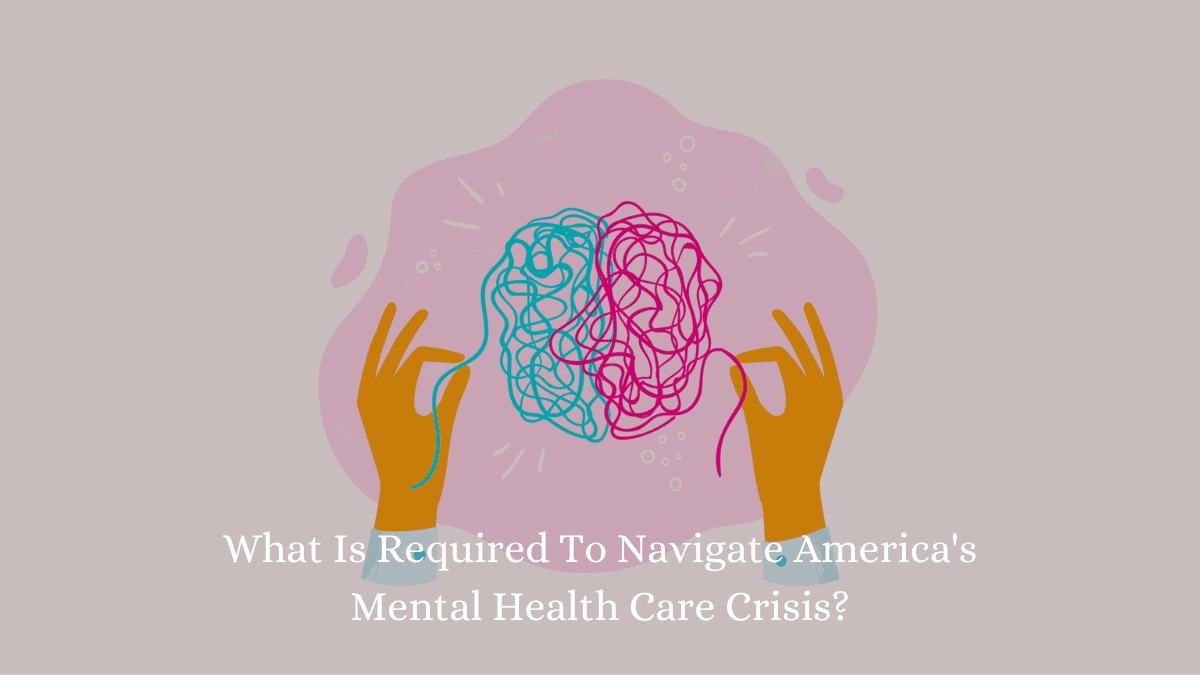
What Is Required to Navigate America’s Mental Health Care Crisis?
The demand for mental health services gets increased rapidly. However, with a shortage of psychiatrists, how can we ensure that providers deliver the best possible care to their patients.
The United States is experiencing an increasingly acute mental health crisis. Between 2017 and 2018, one in five Americans had a mental illness, and the epidemic has exacerbated feelings of anxiety, depression, and isolation. According to Mental Health America, moderate to severe anxiety reached its peak in September 2020, with more than eight out of 10 people showing moderate to severe symptoms at anxiety and depression screening.
The mental health care supply chain is down. More and more people are taking professional care, but it has become harder to get the care they need. They’ve found providers that don’t accept new patients, are out of the network, or just don’t fit.
Today, 37% of the US population lives in areas with a shortage of mental health professionals. For example, there are only 30 psychologists for every 100,000 people compared to 156 primary care physicians for every 100,000 Americans. Moreover, there is a national psychiatrists shortage, but more than half of those who practice therapy accept insurance or Medicaid, making high-quality care prohibitively expensive for many. Because of this lack of access, 60% of adults in the United States do not receive treatment for diagnosable mental illness each year.
The crisis affects all Americans, not just those with mental health symptoms and their loved ones. Mental health symptoms adversely affect physical health, leading to higher costs for insurance companies and employers to care for. For instance, people with the major depressive disorder show a considerable increase in patients compared to the total population.
Examining mental health care deficiencies
There are two major priorities for resolving this crisis: increasing the number of mental health professionals and helping those existing ones to handle their cases better.
The first is a difficult task. It needs an average of eight years of higher education and medical school and four years of residency to become a licensed psychiatrist. Even as new psychiatrists enter the field, more than 60% of psychiatrists are now 55 or older and rapidly retire. The fourth-oldest group in medical specialties will create a potential shortage of 6,000 to 15,000 psychiatrists by 2025.
This deficiency will put more pressure on the practice of psychiatrists. Fifteen-minute visits every three months have become the norm in many places, where there is not enough time to correctly complete the progress record, let alone provide high-quality medical care. The right long-term solution is to enable psychiatrists with technology and appropriate support functions instead of replacing them.
Innovation is needed, not first aid solutions.
There has been tremendous progress in increasing access from the adoption of telemedicine to premium consumer-focused therapy and mindfulness applications over the past decade. However, this is not enough.
Historically, the opportunities for psychiatrists have not presented themselves in a flexible, clinically driven way. High-quality providers are usually only available for hospitalized patients or on an out-of-network basis. Moreover, many find it challenging for
- Opening a private practice with low reimbursement rates for services
- Handling the burden of coordinating with insurance companies
- Working on the subsequent administrative tasks that follow every day
All the above factors can be stressful for psychiatrists, preventing them from giving remedies to their patients.
A blood test cannot diagnose depression, and psychiatrists do not have the right tools to track their patients’ progress. In addition, psychiatry lacks transparency and data for determining outcomes instead of most other disciplines. Research executed by the Centers for Disease Control and Prevention (CDC) found that almost 60% of psychiatrists do not use an approved electronic health records system, and 40% do not use it at all – meaning they are still writing on paper.
Technology can go a long way in more stressful aspects of managing mental health practices, including billing, insurance, and appointment schedules. But these measures have more potential, allowing providers to gain in-depth insights into their patients, track patient progress, enhance psychiatric practice, and achieve high-quality results.
Against the backdrop of the ever-increasing demand for the services of psychiatrists and mental health providers, it has become critical for providers to provide flexibility in treatment methods.
Who can be contacted to get the best mental health billing?
DENmaar provides an improved patient payment system, staff claim tools and quickly resolves the claim issues. Contact us today to do your credentialing using DENmaar’s psychiatric billing process.

Mental Health Billing vs Medical Billing
Mental health bills differ from medical bills because of changes in mental health care that are not found in primary or specialist care. Here’s how to handle it.
- Mental health bills differ from medical bills due to some of the variables included in the mental health treatment providers.
- For mental health bills, you should familiarize yourself with medical coding, verify patient insurance, and use the appropriate payer form.
- For best results, always check the benefits, store copies of crucial information, take notes when you talk to payers, and start the billing process as soon as possible.
- Mental health professionals look to improve their existing billing process or start accepting insurance and working directly with fee payers.
Mental health care patients usually have one common complaint: Many providers do not have health insurance, which can be expensive without insurance. As a mental health care provider, your approach may be different. You may not accept insurance because the mental health billing process is complex and frustrating.
However, this guide can assist you in understanding the mental health billing process. In addition, improved mental health billing structures come with more capacity for patients using insurance, which means more revenue.
How are mental health bills different from medical bills?
Mental health bills differ from medical bills in the following ways:
Pre-authorization: Payers must pre-authorize mental health services to patients before submitting medical claims. However, a 2019 report found that mental health visits are five times more likely to be out of network than primary or specialist services. Unfortunately, pre-authorization – even if requested promptly – is rare and complicates billing.
Front Office Staff: Medical practices usually consist of administrative staff handling billing and coding, leaving practitioners to focus solely on patient care. This system is less common in mental health care systems. These practices are usually sole proprietorships or small partnerships, meaning they do not have front office staff. Without additional staff, practitioners should handle the billing themselves.
Standardized billing procedures: While primary care physicians often perform the same tests and examinations on their patients, mental health practitioners provide a very diverse and customized service. The recurring nature of primary care means that medical bills are usually ready to go. The opposite is true for mental health care, making billing more complicated.
Creating an excellent standard: Standardizing primary care means that practitioners can easily combine multiple services into one perfect bill. On the other hand, the more diverse nature of mental health services makes it more challenging to create significant bills. The result is a longer and more difficult billing process.
How standardization affects mental health bills
Standardizing services provided is probably the most significant hurdle of the above factors in mental health care billing. Standardization issues arise from how these factors differ from primary or specialist care:
Session duration: Medical billing assumes approximately the same time for each patient – after all, regular blood tests and physical examinations take a long time. However, the duration of mental health sessions can vary greatly. For this reason, mental health billing codes vary based on session length, which is not heard in medical bills.
Daily or weekly service limits: In general, there are no primary or expert level restrictions on how often a patient can be treated. The same does not apply to mental health services. In hopes of standardizing mental health care bills, taxpayers set the maximum number of treatments a mental health patient can receive in a day or week. These artificial roofs can present billing challenges.
Therapeutic method: Cognitive behavioral therapy requires an entirely different CPT code than psychoanalysis. The result is more billing challenges.
The Bottom Line
The billing process can be frustrating and usually leaves a big sigh of relief compared to treating patients. And if you’re worried about not completing the process yourself, the billing features of DENmaar can be invaluable.
We have assisted many health care organizations in their mental health billing process, thus helping them concentrate on patient care. Call us today!
The only Physician Credentialing Process Checklist You’ll Need in 2022
Understanding the process of credentialing is simple. It is a process that entails the procurement and verification of information that ascertains whether or not a physician is capable of fulfilling his or her medical obligations. The process is fundamental for everyone involved with the healthcare industry. This includes the practitioners, nurses, and of course, the patients.
The credentialing process in itself, however, is burdensome, to say the least. A typical credentialing process can take 90 to 150 days to conclude. Hurdles like missing or incorrect information in the applications submitted can result in claim denials, which essentially means you’ll have to undergo the entire process all over again, costing you both valuable money and precious time.
That being said, you can’t simply ignore the process either. Credentialing is important for a variety of reasons.
- • It can help build patient trust
- • It lowers the risk of medical errors.
- • It helps medical organizations from losing revenue
- • It improves a practitioner’s reputation.
- • It can help you save costs
- • It protects healthcare organizations from future lawsuits.
Needless to say, the credentialing process is too valuable to pass. Yes, it can be uniquely frustrating to perform. However, we believe the following checklist can guide you competently for a smoother credentialing process.
So without much further, allow us to acquaint you with the only Physician credentialing process checklist you’ll need for a seamless experience.
Physician Credentialing Process Checklist
The very first thing to do when starting the credentialing process is to make sure you are always one step ahead. The way to ensure that is by starting as early as possible. With that out of the way, you can begin the process.
1. Submit the Pre-Application
It won’t take you time to notice or experience how tedious the credentialing process can be. To begin with, you will need to submit a pre-application based on the healthcare facility or insurance network you want to join. It is at this juncture in the process that insurance companies weed out applicants that are not eligible for credentialing.
This step involves a background check. You will be checked for:
- • Board Certifications
- • Criminal Records
- • Record of disciplinary action taken against you or your practice.
If any issues arise here, you will be asked to submit further information. If there aren’t any issues, then you move on to the next step.
2. Submitting the Applications
This step forms the actual meat of the process. You will be required to submit all information possible that vouch for your legitimacy as a healthcare provider. The most fundamental checklist will be as follows:
- • Transcripts and educational history
- • DEA registration
- • Board certification
- • Medical license
- • Continual malpractice coverage
- • Work history
- • Professional and personal reference
- • Explanation of gaps in work history
- • Personal immunization record
- • Personal health history
- • CAQH Enrollment
- • Hospital affiliation
All of the above information must be backed by solid documentation and relevant letters of recommendation.
3. Receipt Verification
Once the application is submitted, you might feel inclined to take a sigh of relief. However, it will be too early to do so. In fact, we recommend constant follow-ups via call and emails to confirm that your application has been received and is under review. The credentialing board may reach out to you for further information. If that does happen, we recommend submitting the information as quickly as possible. Make sure you have copies of all the documents submitted ready at a moment’s notice.
The above procedure entails the checklist for a traditional physician credentialing process. Medical practices may need to work with a new checklist to assist them in adding new providers. So if you are someone who runs a medical practice and wants to add a new provider to your staff, then the following checklist is for you.
Checklist for adding a new provider
- You will need to provide an updated CAQH profile with a new practice affiliation. Also, make sure the provider’s driving license and DEA are updated with the new state if the affiliation is different from their previous one.
- The group that will be adding the new provider will be required to supplement a list of payers that they are currently affiliated with. This will include Medicaid HMOs, worker’s compensation, Tricare, Medicare advantage, etc.
- Update your practice’s CAQH profile and supply tax companies with your Tax ID.
- You will be required to submit a new and updated malpractice policy and also update it in your CAQH profile.
- You will be required to provide the practice’s primary billing type. This information will be listed on your application with Tax ID.
- Mention Medicare’s PTAN that you plan to be included on. This information will be listed on the Medicare application of the new provider linked to your group.
- The following Documentation will be mandatory.
- • Professional State License
- • Board Certification
- • CAQH Login and Password
- • PECOS Login and Password
- • PLI Certification
- • Professional School Diploma
- • State Medicaid Login and Password
- • Current CV with precise beginning and end date
- • Hospital Admitting Privilege
- • Certification of completing internships, fellowships, etc.
The Bottom Line
Credentialing demands a plethora of information from practitioners. So much so that the whole process might feel a tad bit overwhelming. It also counts that all the information you do gather is complete and accurate. The consequences of failing to ensure that can be disastrous.
So if you are still confused about the process and have no idea what information to carry, then we suggest you give our physician credentialing specialists at DENmaar a call. We are at your service whenever you need us. We’ll assist you with the entire process as well, making sure you make it on a payer’s network without a hassle.
Contact us now to learn more.
Our Partners






Ready to get started?
Feel free to reach out if you have any questions.
