Behavioral health practices have plenty of software. What they need is more help getting the work done.
An appointment needs confirmation. An intake packet remains incomplete. A provider has unsigned notes. A claim is waiting for information. Each issue may appear somewhere in the system, but someone still has to find it, understand it, and move it forward.
That is where agentic AI could make a meaningful difference in behavioral health.
How far away is it? Our view is that focused assistance is possible today. Dependable support across an entire organization will develop workflow by workflow.
From Answering Questions to Agentic AI Helping Complete Work
A chatbot gives people a conversational way to interact with software. An AI agent adds the ability to use approved tools, take steps toward a goal, check the results, and ask for help when needed.[1]
For a behavioral health practice, that could eventually mean asking:
“Help us prepare for tomorrow’s appointments.”
A connected agent could check for missing intake forms, identify records that need staff review, and prepare a prioritized task list. With the appropriate permissions and review process, it could also help initiate follow-up.
These are potential use cases, rather than capabilities we are announcing with our chatbot launch.
The value would come from reducing the effort between recognizing a problem and resolving it.
The Best Starting Points Are Everyday Tasks
We believe the most useful early applications will be specific, repeatable tasks with clear outcomes:
- Appointment preparation: Identify missing information before a visit.
- Provider workflow: Organize outstanding documentation and follow-up tasks.
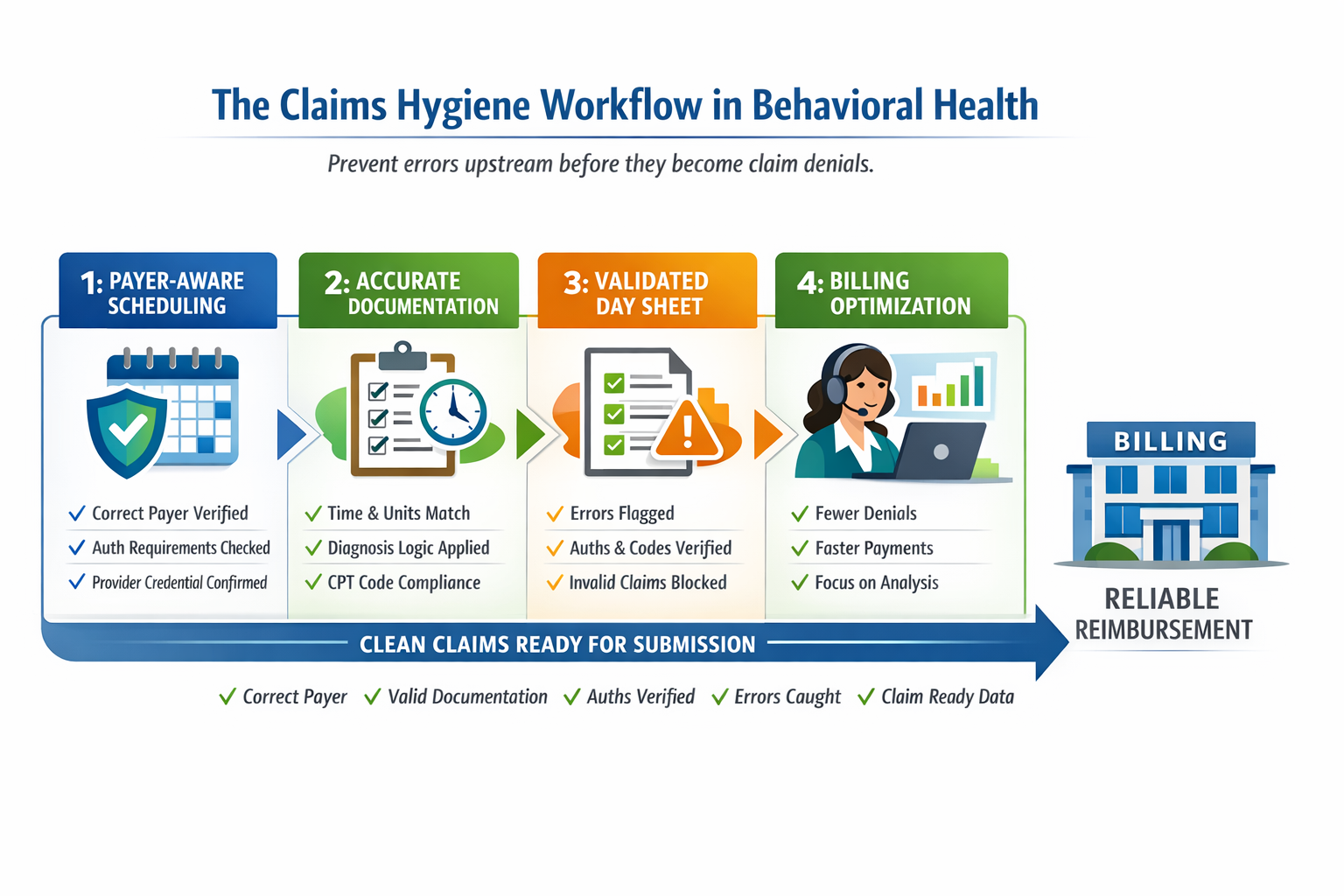
- Billing coordination: Surface incomplete information holding up a claim and route it to the right person.
- Practice management: Summarize outstanding work so leaders can see where attention is needed.
Consider an unsigned note. Today, a staff member may discover it, locate the provider, send a reminder, and check again later. A future agent could help coordinate that sequence, while the provider remains responsible for reviewing and signing the documentation.
Small improvements like these could add up across a busy practice.
The Challenge Is Connecting Agentic AI to Real Operations
A convincing conversation is only the beginning.
To act reliably, AI needs access to the right information, permission to perform specific tasks, and a way to verify that its actions succeeded. Staff need to see what happened and intervene when something requires judgment.
A missing form and a clinical decision require different levels of oversight. Our approach is to start with bounded administrative work and expand only as each use case proves useful and dependable.
Success should be measured through fewer manual touches, less outstanding work, and more time available for patient care.
DENmaar’s Next Step Begins This Month
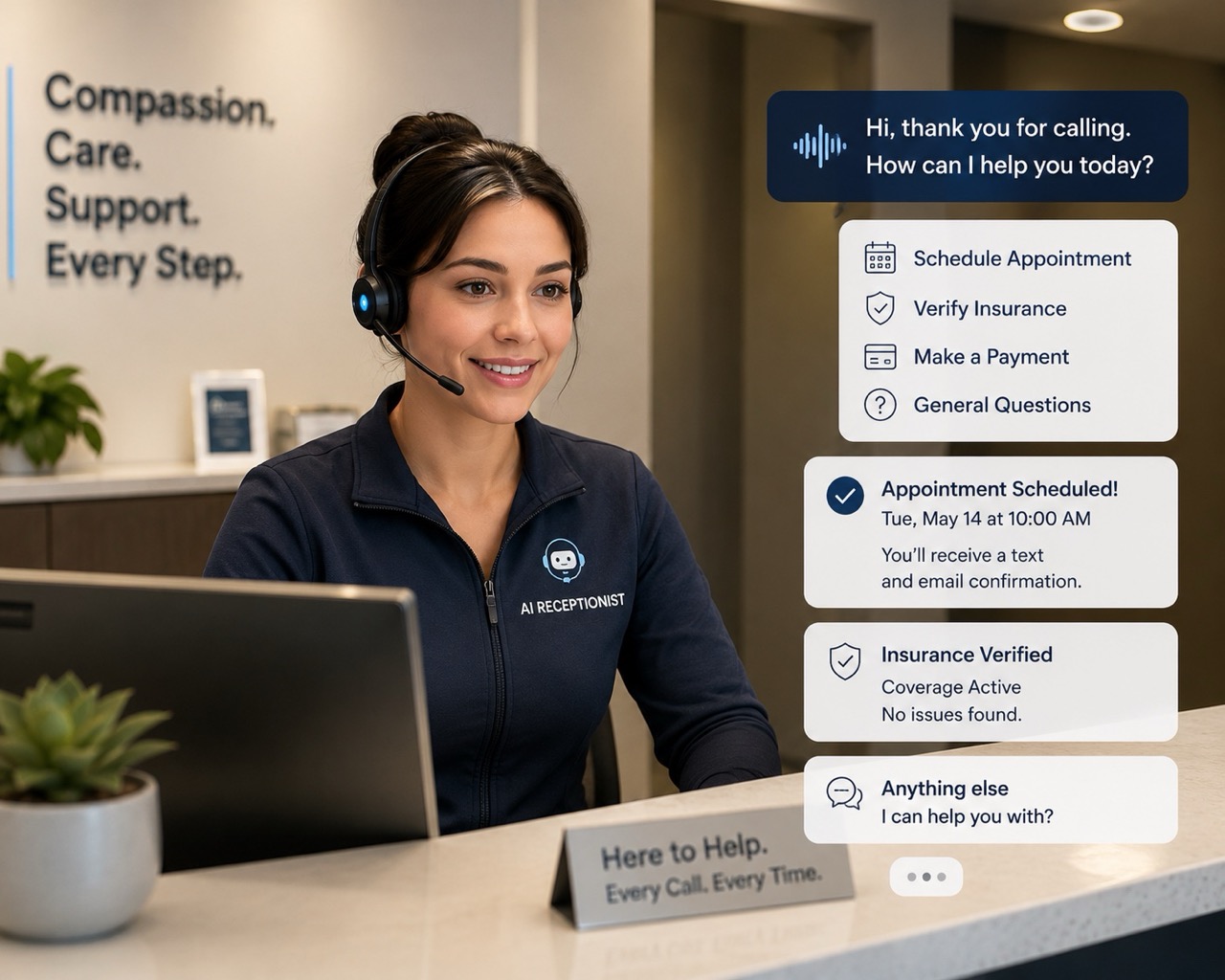
This month, DENmaar will introduce a chatbot feature.
That launch is an initial step toward making interaction with our system more conversational. It will also give us an opportunity to learn which questions and requests matter most to the practices using it.
From there, our direction is to identify specific workflows where AI can provide useful assistance, then build and evaluate those capabilities deliberately.
We see a practical path forward: begin with conversation, connect it to useful information, and progressively enable carefully defined actions.
For practices looking at a broader operating model for behavioral health, the opportunity is to connect AI assistance with the workflows that already move patients and work through the organization.
Behavioral health practices deserve technology that helps work move forward. Agentic AI brings that possibility closer, and everyday practice workflows are where we believe it can earn its place.
Background Source
[1] Anthropic, Trustworthy agents in practice. Supports the distinction between conversational assistance and agents that plan, use tools, check results, and seek human input. The proposed behavioral health use cases and DENmaar development direction above are editorial projections, not claims of currently released agent capabilities.